
BYDToday Museum · start here
BYD’s history is a microcosm of China’s NEV rise.
Follow one company from a 1995 battery workshop to global vehicle production, then step sideways into the policies, technologies, partnerships and competitors that shaped the same industrial era.
Prologue · an idea before an industry
The story begins with a question, not a car.
On 22 August 1992, Qian Xuesen wrote to Vice Premier Zou Jiahua and asked whether China could study battery-powered vehicles without first completing the same gasoline-and-diesel path as established automotive powers. The letter was a forward-looking proposal. It did not, by itself, establish national policy or cause BYD’s founding.
A letter before China’s modern NEV industry.
Three years later, BYD began as a rechargeable-battery manufacturer. The museum treats those events as parallel beginnings—an idea about national technological choice and a company’s manufacturing origin—not as a simple cause-and-effect story.
Primary evidence · Chinese Academy of Sciences transcript ↗Curatorial boundary: the 1992 letter proposed a technological route; BYD’s 1995 founding supplied an independent manufacturing starting point. They are parallel beginnings, not proof that one caused the other. Proposal, research program, demonstration policy and industrial strategy remain four different historical layers.
Object 001 · original document
Two pages

Museum labelQian Xuesen to Vice Premier Zou Jiahua · 22 August 1992. The letter proposed studying a battery-powered vehicle route. It is evidence of a forward-looking recommendation—not a State Council policy, and not evidence that it caused BYD’s 1995 founding.
Research becomes a national program.
The 863 electric-vehicle major project formalized the “three verticals, three horizontals” R&D structure.
Primary evidence · government record ↗Cities become laboratories.
The “Ten Cities, Thousand Vehicles” program moved NEVs into public-service demonstration fleets; demonstration was not yet mass adoption.
Primary evidence · National Energy Administration ↗Industrial strategy becomes explicit.
The State Council’s 2012–2020 plan established a national industry route with dated goals, which the museum does not confuse with achieved results.
Primary evidence · State Council plan ↗
BYD main exhibition
Five objects that changed what BYD could build.
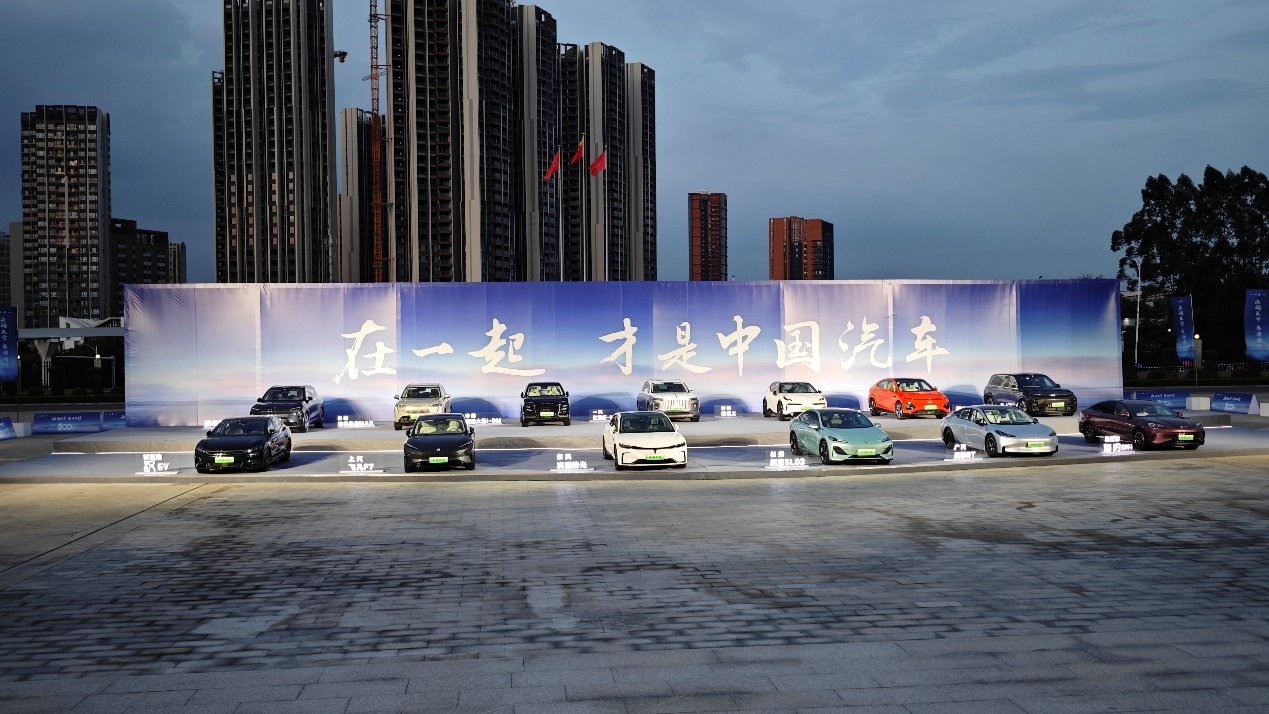
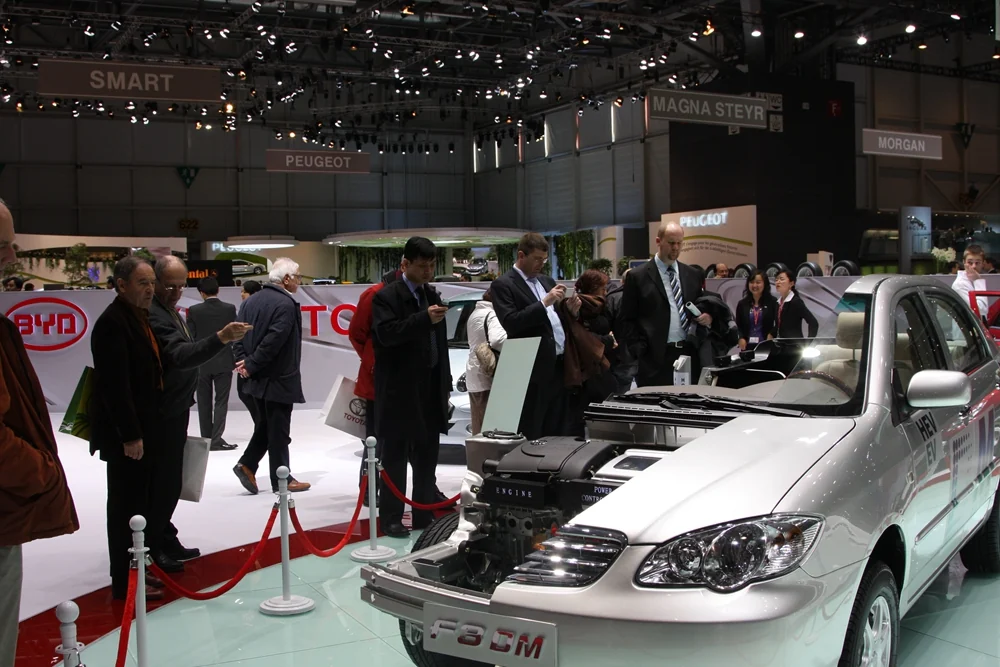
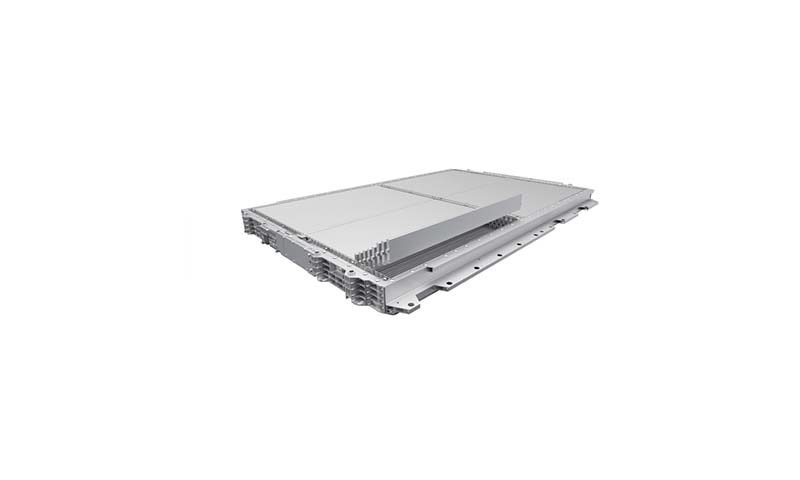
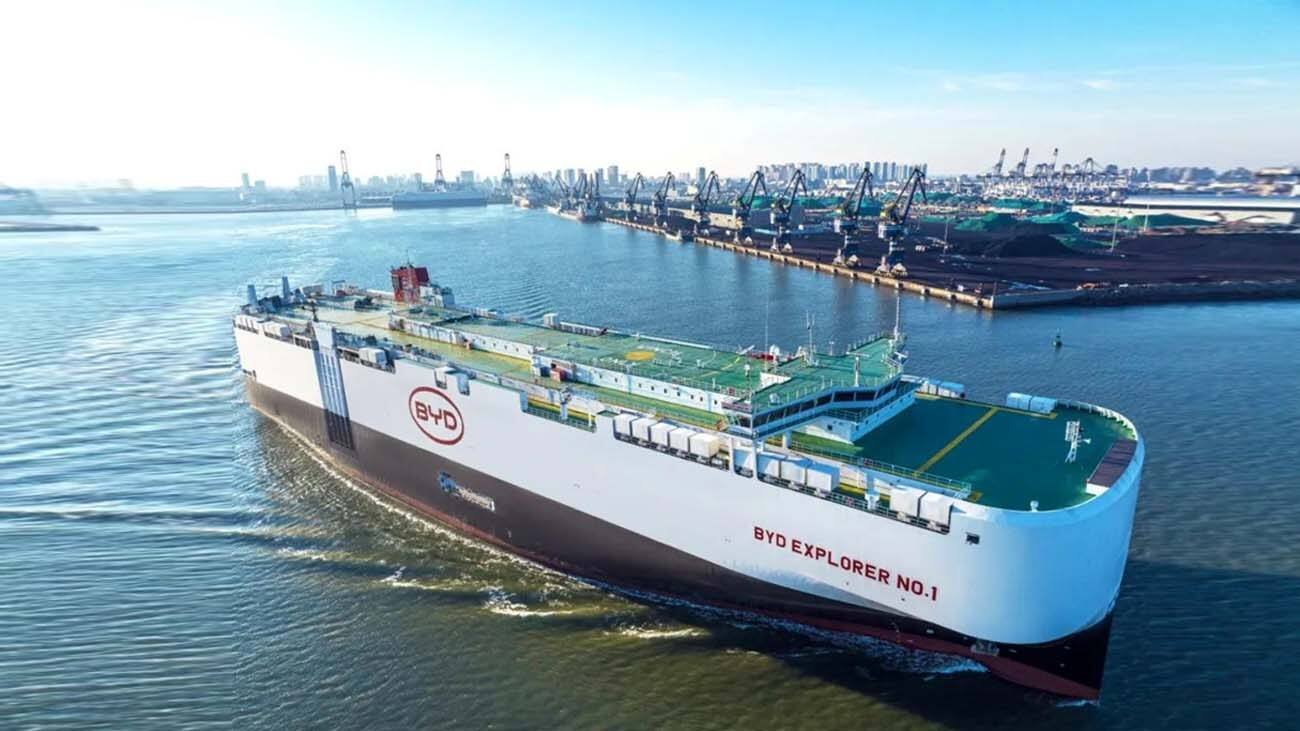
The main route stays object-led: a battery line, the Qinchuan-derived Flyer, the F3DM, Blade Battery and a vehicle carrier. Each image represents a different industrial capability.
1995 exhibit selected.
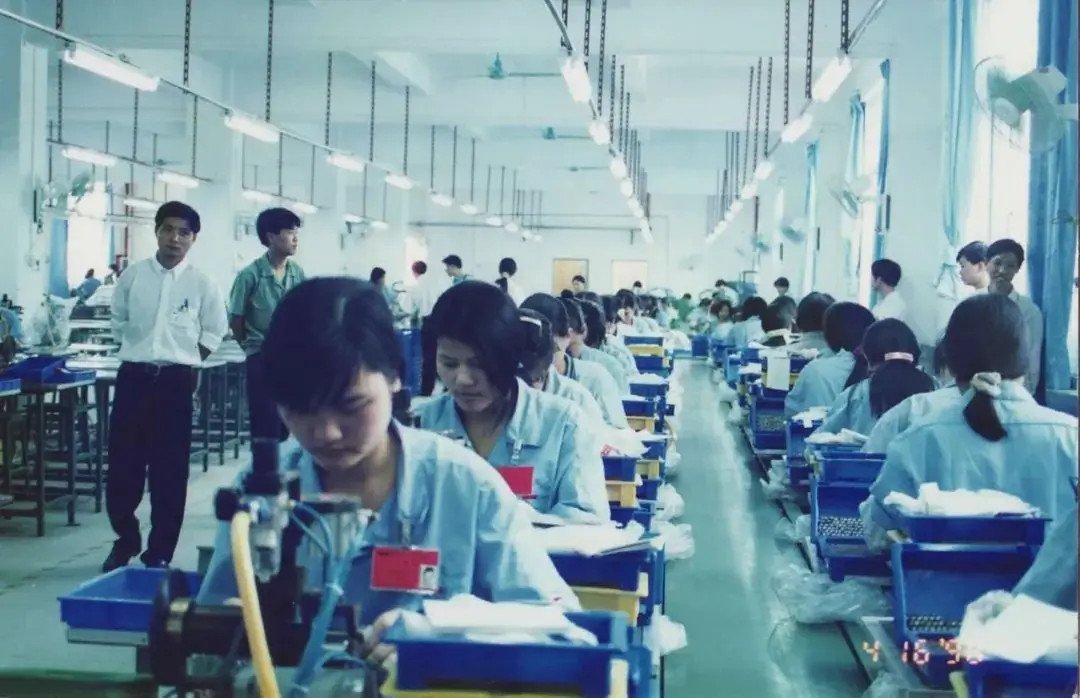
BYD acquired Qinchuan Automobile in 2003, expanding its work from cells to vehicle design, production, supply chains and service.
Primary record · BYD key milestones, published March 2026 ↗A battery factory before the automotive story.
BYD began as a battery maker. That origin matters because China’s EV shift was not simply a car-design story: it also required domestic manufacturing knowledge, cell supply and cost control.
Manual battery production establishes the engineering and manufacturing base.
Battery capability becomes a strategic input long before passenger EVs are mainstream.
An industrial starting point—not proof of later EV scale by itself.
Open the complete five-object index
Manual production establishes BYD’s engineering and manufacturing base.
Read the BYD and Wang Chuanfu dossier ↗The battery maker acquires an automotive base and a vehicle-sized operating system.
Read the automotive-entry chapter ↗Dual-Mode technology becomes a dated electrified passenger-car object.
Read the BYD technology system ↗Pack integration, chemistry and safety become visible to the buyer.
Read the BYD and CATL analysis ↗A dedicated vehicle carrier makes BYD’s global logistics route tangible.
Read the global expansion dossier ↗1995 opening exhibit · company record BYD & Wang Chuanfu ↗
Return to the museum map ↑Industry branches · after the policy prologue
What changed around the BYD route.
From 2011 onward, new battery suppliers, EV startups, software partnerships and global routes widened the industry around BYD.
A battery champion and a new generation of automakers emerge.
CATL’s supplier route and the rise of NIO, XPeng and Li Auto widened the competitive field. Their strategies—external battery supply, user operations, software-led vehicles and range-extender products—were not copies of BYD’s vertically integrated model.
CATL & Robin Zeng ↗ · NIO & William Li ↗ · XPeng & He Xiaopeng ↗ · Li Auto & Li Xiang ↗
Four distinct company models
Tesla Shanghai becomes an external pressure test.
The Shanghai Gigafactory added a globally known EV producer to China’s manufacturing and pricing landscape. It is shown here as an external comparator, not as a Chinese-company exhibit.
Why it matters to the BYD route
Software partnerships and global routes become industry architecture.
Huawei’s HIMA consumer co-creation and QianKun supplier stack created partnership models that differ from BYD ownership. At the same time, Chinese automakers expanded exports, overseas distribution and local-production plans.
Open the Huawei partnership map ↗ · Open the China NEV export tracker ↗
Keep the boundaries visible
China battery technology gallery
Seven transitions that turned the battery into an industry system.
This is a thematic development route rather than a single chronological race. BYD anchors the pack-integration story; CATL adds the independent-supplier route; NIO makes the pack a service asset; Geely, SAIC and GAC expose vehicle-level applications; charging, swapping, chemistry and recycling complete the system around the car.
2019 to 2020 module-free pack exhibit selected.
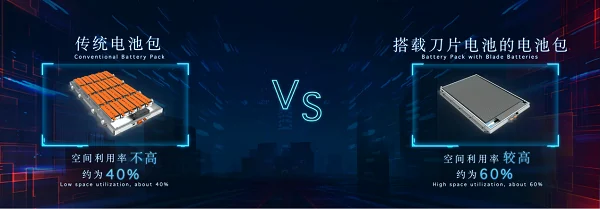
From modules to integrated packs.
CATL introduced its first CTP platform in 2019; BYD made module-free LFP integration visible to consumers through Blade Battery in 2020. The shared shift was pack architecture—not identical chemistry or business models.
Evidence boundary: CTP and Blade describe pack architectures and product families. They should not be reduced to a single chemistry or a universal “best battery” claim.
Open the complete battery technology index
CATL CTP and BYD Blade make tighter pack integration visible through different product and business routes.
Read BYD vs CATL ↗NIO BaaS and supplier-led swapping turn the battery into an operating service.
Read the NIO swap chapter ↗Thermal management, structure and vehicle fit become as important as cell chemistry.
Read the battery technology guide ↗Battery, high-voltage platform, charger hardware and network deployment operate together.
Read the flash-charging chapter ↗Premium proprietary and supplier-standardized routes develop beside fast public charging.
Read charging and swapping ↗All-solid-state, semi-solid and sodium-ion roadmaps answer different constraints and remain different milestones.
Read the chemistry roadmap ↗Collection, second-life use and material recovery become part of battery competitiveness.
Read the recycling explainer ↗Relationship lab · Huawei in the smart-car system
One technology foundation. Two market roles. Several automaker routes.
HIMA and Huawei QianKun overlap, but they are not the same business model. HIMA is the consumer-facing co-creation layer for five marques developed with automaker partners. QianKun is the supplier stack—assisted driving, cockpit, vehicle control, optics and cloud—that can be used inside or outside HIMA. The partner automaker remains responsible for vehicle manufacturing and homologation; trademark, retail and operating roles vary by partnership and must be checked brand by brand.

Huawei supplies a common technology foundation, but the commercial relationship changes according to how deeply product definition, retail, service and branding are shared.
HIMA / 鸿蒙智行
Consumer-facing co-creation: product definition, marketing, retail and service can be jointly shaped around a HIMA brand.
Explore the five partner-built HIMA brands ↓Huawei QianKun / 乾崑
Supplier technology: automakers can buy a full stack or selected modules while retaining their own brand, channel and product route.
Read the Huawei ADS comparison and limits ↗Rail 01 · Consumer co-creationFive HIMA brands, five manufacturers.
The shared consumer entry does not erase the automaker behind each vehicle.




 Rail 02 · Supplier foundation
QianKun is a stack, not a vehicle brand.
Using one module does not place a vehicle inside HIMA and does not make an assisted-driving system autonomous.
QianKun ADS
Vehicle-specific assisted driving with hardware, software and market boundaries.
Compare Huawei ADS and other systems ↗HarmonySpace
Intelligent cockpit and connected experience used across different cooperation depths.
See the AITO–Seres integration case ↗Vehicle control
Domain and chassis-control systems integrated into the automaker’s architecture.
See the Avatr–Changan integration case ↗Vehicle optics
Automotive lighting, projection and display solutions supplied as components.
Read the Huawei technology boundary ↗Vehicle cloud
Connected-vehicle and software-operation services behind the visible product.
Open a consumer integration case ↗Rail 03 · Automaker-owned routesThe carmaker can keep the brand and buy the technology.
These routes sit outside HIMA even when the technical integration is deep.
 Avatr · HI PLUS
Automaker-owned brand with a deeper Huawei integration route; not a HIMA marque.
Open the Changan / Avatr dossier ↗ Fangchengbao · selected models use QianKun ADS
Selected Fangchengbao models use QianKun technology without joining HIMA.
Open the BYD technology dossier ↗ Qijing · GAC route
GAC and Huawei QianKun’s co-created marque sits outside HIMA; the GT7 entered presale in May 2026.
Last verified · 23 July 2026 · presale and retail rolloutOpen the GAC manufacturer dossier ↗ Huajing · SGMW route
SAIC-GM-Wuling’s QianKun-enabled marque is separate from SAIC’s Shangjie HIMA role; the Huajing S launched in May 2026.
Last verified · 23 July 2026 · production model launchedOpen the SAIC group dossier ↗Company & leader archive
Seventeen company dossiers and one ecosystem map.
Choose a logo to open a concise museum card, then continue to the full BYDToday company and leadership history. The Huawei tile opens the relationship map that separates HIMA consumer co-creation from QianKun supplier technology. Use the filters or search by company, person or theme.
18 exhibits shown.
BYD core
The central company route: batteries, vehicles, manufacturing and technology.
BYD & Wang Chuanfu
How Wang Chuanfu built a battery manufacturer into a vertically integrated vehicle, electronics and energy group—and why that route mirrors China’s wider NEV industrial rise.
In-depth company & founder dossierView the museum timelineBattery & energy
The adjacent systems that make the BYD route intelligible.

CATL & Robin Zeng
Robin Zeng’s route from consumer batteries to a leading global independent EV-battery supplier, including customer breadth, battery systems, scale and the strategic contrast with BYD’s captive demand.
In-depth company & founder dossierNew EV makers
Company histories that widened the market after the core route was established.

NIO & William Li
William Li’s premium, user-community strategy, capital-intensive service network, battery swapping and BaaS model, with brand and operating boundaries kept distinct.
In-depth company & founder dossier
XPeng & He Xiaopeng
How He Xiaopeng’s software and internet background shaped XPeng’s vehicles, production ADAS, VLA roadmap, manufacturing strategy and overseas expansion—with L2 assistance kept separate from autonomy.
In-depth company & founder dossier
Li Auto & Li Xiang
Li Xiang’s product-led route from Autohome to family SUVs, the commercial logic of EREVs, the move into BEVs and the boundary between announced plans and delivered products.
In-depth company & founder dossier
Xiaomi EV & Lei Jun
Why Lei Jun committed Xiaomi to automobiles, how the SU7 and YU7 fit the group’s device-and-software ecosystem, and where HyperOS integration ends and vehicle manufacturing begins.
In-depth company & founder dossier
Leapmotor & Zhu Jiangming
Zhu Jiangming’s engineering-led startup, its platform and component-integration choices, the Stellantis investment and the difference between export, overseas sales and local production.
In-depth company & founder dossier
Zeekr & An Conghui
Zeekr’s creation inside Geely, An Conghui’s leadership role, the premium-EV portfolio, platform dependencies and the legal and strategic relationship between brand and group.
In-depth company & leadership dossierTurning points
Dated records for companies whose legal or operating status changed the story.

Neta / Hozon
The company’s rise, product and capital route, followed by a date-specific restructuring record that separates court procedure, business plans and verified operating status.
In-depth company & status dossierEcosystems
Company, brand and technology-partner boundaries that need to be read together.
Huawei partnership map
HIMA consumer co-creation, QianKun supplier technology, HI/HI PLUS integration and automaker-owned cooperation shown as separate relationship rails.
Interactive ecosystem map with five HIMA brands and supplier routesFive consumer brands, the supplier stack and automaker-owned routes mapped in one interactive exhibit.
Seres & Zhang Xinghai
Zhang Xinghai’s route from components and commercial vehicles to Seres, the AITO operating relationship with Huawei and the boundary between manufacturer, consumer brand and technology partner.
In-depth company & founder dossierEstablished groups
Longer industrial routes, group structures and brand ecosystems.

Geely & Li Shufu
Li Shufu’s private-enterprise route into automobiles, Geely’s acquisitions and brand architecture, the Volvo relationship and the group’s effort to combine platforms without erasing marque identities.
In-depth company & founder dossierChangan & Zhu Huarong
An institutional history rather than a founder myth: Changan’s state-owned route, Zhu Huarong’s leadership, Deepal, Avatr and Nevo, plus the boundaries of CATL and Huawei partnerships.
In-depth group & leadership dossier
Chery & Yin Tongyue
Chery’s Wuhu industrial origin, Yin Tongyue’s long leadership, its house of brands, export-first learning curve and the manufacturing evidence behind its global strategy.
In-depth company & leadership dossier
GWM & Wei Jianjun
Wei Jianjun’s turnaround of Great Wall, the Haval, WEY, Ora, Tank and Poer portfolio, export manufacturing and the strategic role of the Hi4 hybrid system.
In-depth company & founder dossierSAIC Motor Group
SAIC’s institutional evolution, Wang Xiaoqiu’s current leadership, the MG, Roewe, IM and Maxus portfolio, and the ownership boundaries separating wholly owned brands from Volkswagen, General Motors and Wuling joint ventures.
In-depth company & leadership dossierGAC Group & Feng Xingya
GAC’s state-owned institutional history, Feng Xingya’s leadership, the Trumpchi, Aion and Hyptec brands, joint-venture relationships, manufacturing base and the shift from legacy scale toward electrification.
In-depth company & leadership dossierExternal comparator
One non-Chinese producer used only to clarify China’s industrial route.

Tesla China & Elon Musk
Tesla’s global founder-led strategy and the distinct China operation: Shanghai manufacturing, supply-chain localization, pricing, software boundaries and the competitive pressure applied to domestic EV makers.
In-depth company & China-operation dossierNo company exhibit matches that search. Try a company, leader or technology term.
Museum guide
How to read the collection.
What is the China EV History Museum?
It is BYDToday’s curated collection of evergreen company, founder and industry histories. It is separate from the chronological news stream and is organized by eras, institutions, technologies and turning points.
Why are only some exhibits linked?
Some exhibits are self-contained; others open a longer BYDToday company history or technical explainer. A link appears only when a complete public chapter is available.
Are the history exhibits updated?
Yes. Each linked exhibit keeps its original publication date and shows a last-verified or last-updated date when company structure, leadership, product strategy or source evidence materially changes.
Is the museum investment advice?
No. The collection is an editorial and historical reference. Company claims, plans, operating results and legal status are dated and separated, but readers should use primary filings for financial decisions.
A museum needs provenance, not just atmosphere.
Every displayed visual is admitted only with a retrievable source record, date, subject and claim boundary. An image without that record stays out of the public chronology.
- ImagesOfficial or documentary source; no invented event scenes.
- TimelineArtifacts, plants, products and rules—not founder portraits.
- NavigationBYD route first; other brands become searchable supporting exhibits.