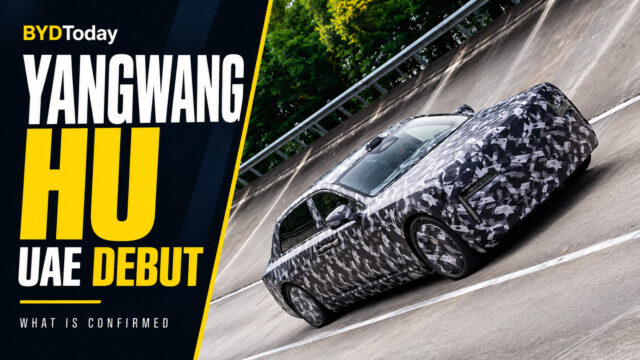
Yangwang ALTIOR: Why BYD’s Flagship Sedan Doesn’t Need Profit
Yangwang HU is headed for a UAE unveiling. Read the official statements, what is unknown about price and batteries, and why profit claims overreach.
China EV market analysis covering sales, exports, penetration rates, pricing, margins, competition, policy, and global NEV industry trends.
Yangwang HU is headed for a UAE unveiling. Read the official statements, what is unknown about price and batteries, and why profit claims overreach.
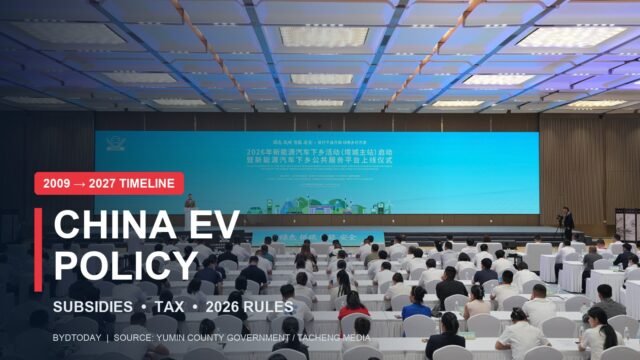
China EV policy from 2009 to 2027: direct subsidies, 2026 purchase tax and trade-in rules, dual credits, model eligibility, safety standards and 2027 tax changes.
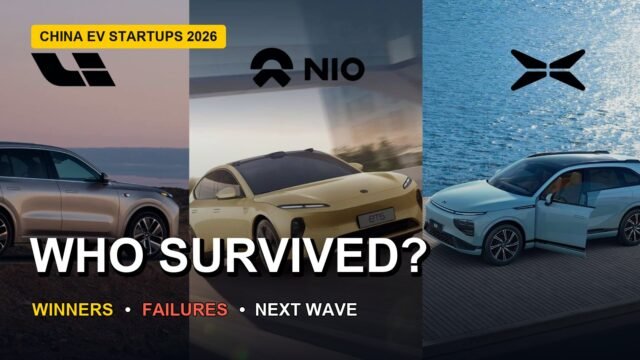
Which Chinese EV startups survived, which entered reorganization or liquidation, and why Xiaomi, HIMA and incumbent-backed brands define the next wave.
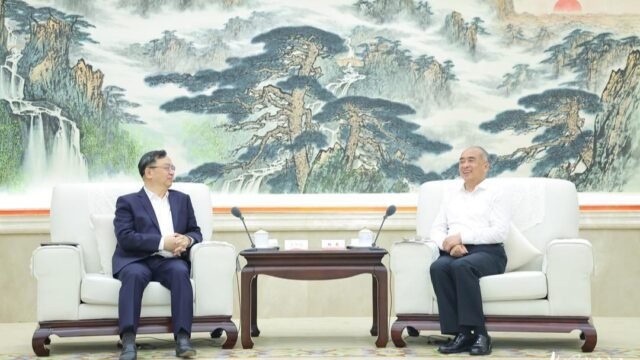
Between March and July 2026, leaders from six Chinese provinces met BYD chairman Wang Chuanfu. Verified records show competition spanning vehicle production, R&D, supply chains, flash charging and energy storage.
China will restore annual vehicle-and-vessel tax on PHEVs and selected commercial EVs from 2027, while battery-electric passenger cars remain unaffected.
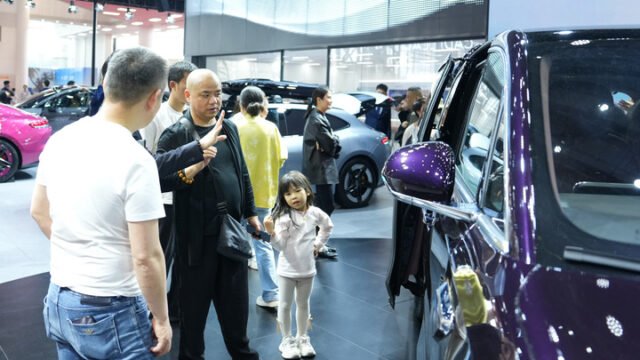
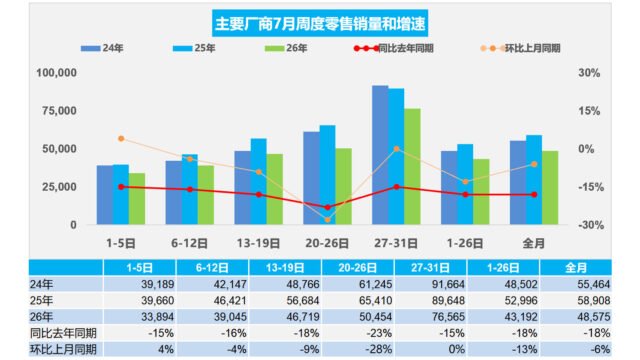
China’s July 2026 passenger NEV retail reached 970,000, while wholesale hit 1.463 million. See CPCA scope, penetration and company filings.
A broad 2026 guide to U.S. rules for China-made cars purchased in Mexico, including safety, emissions, tariffs, connected vehicles and registration.
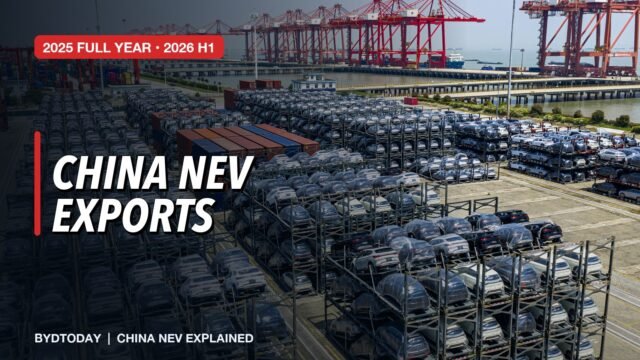
China NEV exports explained with a consistent CAAM history, current 2026 tracker, customs and CPCA definitions, destinations, brands, tariffs and overseas factories.
Ford CEO Jim Farley's comments on BYD's battery cost advantage and Ford's product-development systems show why legacy automakers face a structural EV challenge.
Why This Matters Globally BYD is living a brand paradox that no other automaker has navigated at this scale: in Australia, Europe, and South America,…