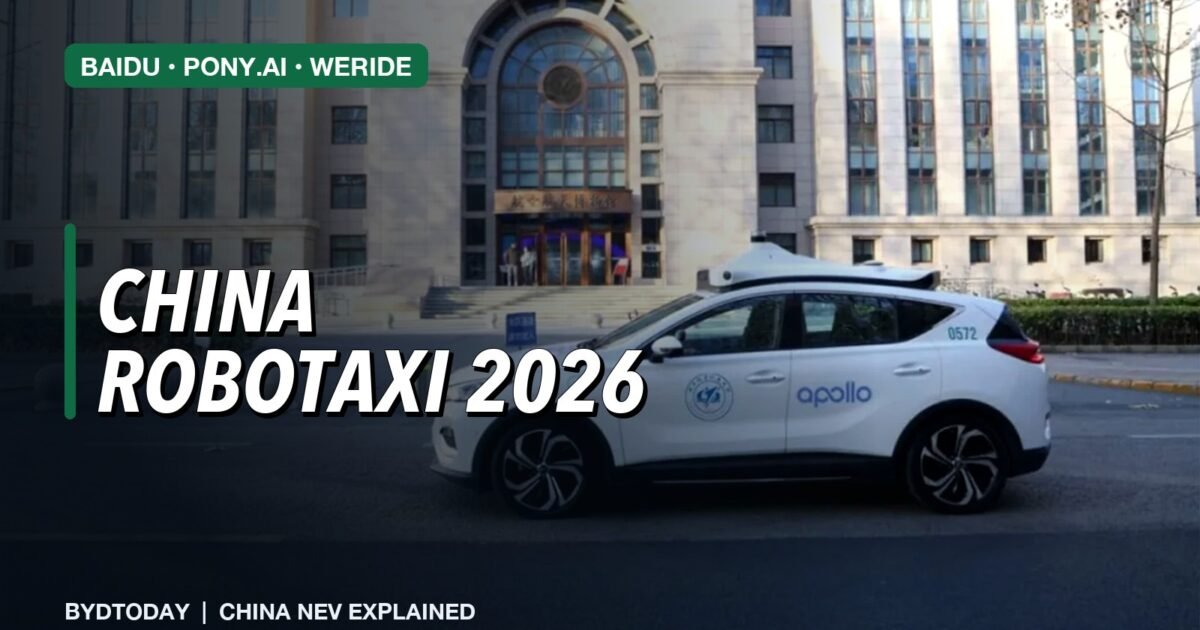
Quick Answer: China has paid, fully driverless robotaxi services, but only inside company- and city-approved operating zones. Baidu Apollo Go reported 3.2 million driverless rides in Q1 2026 and more than 22 million cumulatively. Pony.ai reported a fleet above 1,700 and RMB 59.1 million of Q1 robotaxi revenue; WeRide reported about 1,000 robotaxis in China. None of this means nationwide L4 approval or industry-wide profitability.
Last verified: July 17, 2026. Company scale uses Baidu, Pony.ai and WeRide’s latest Q1 2026 disclosures; city status uses national and local government sources. Targets are labeled separately from achieved figures.
Page role: This is BYDToday’s single evergreen Owner for the China robotaxi ecosystem. It updates Post 1418 in place and does not create a second URL. The June 2026 global robotaxi ranking remains dated supporting coverage, not the market Owner.
What counts as a commercial robotaxi in China?
A robotaxi is an autonomous ride-hailing vehicle operating within a defined operational design domain, or ODD. The ODD can limit roads, hours, weather, speed, passenger rules and pickup points. “Fully driverless” normally means no safety operator is sitting in the vehicle during the approved service. It does not mean the vehicle can drive everywhere, in every condition, without an operations center or regulatory constraints.
China does not have one blanket licence that turns every L4 test car into a nationwide taxi. The Ministry of Industry and Information Technology says its intelligent connected-vehicle access and road-use pilot has multiple stages. Selection into the pilot is not itself product approval or permission to drive on public roads. A vehicle that passes product access still needs registration, a limited road-use area and, when it carries passengers for payment, the relevant transport-operation qualifications.
Local systems add another layer. Wuhan distinguishes road testing, demonstration application and a commercial pilot that may charge passengers. Shanghai describes separate permits for testing, robotaxi service with an onboard safety officer and fully commercial operation. This is why a company can truthfully say it is “commercial” in one zone while remaining in testing or demonstration elsewhere.
China robotaxi companies: the 2026 market map
| Operator | Core model | Latest disclosed scale | Public-company status | Evidence boundary |
|---|---|---|---|---|
| Baidu Apollo Go | Vertically integrated fleet service using purpose-built and partner vehicles. | 3.2 million fully driverless rides in Q1 2026; more than 22 million cumulative rides by April. | Baidu: Nasdaq BIDU; HKEX 9888 / 89888. | Baidu does not report Apollo Go revenue or profit as a standalone segment. |
| Pony.ai | Own fleet plus joint deployment with mobility and vehicle partners. | Fleet above 1,700 by May 24; Q1 robotaxi services revenue RMB 59.1 million. | Nasdaq PONY; HKEX 2026. | Company targets above 3,500 vehicles by year-end; that is forward-looking. |
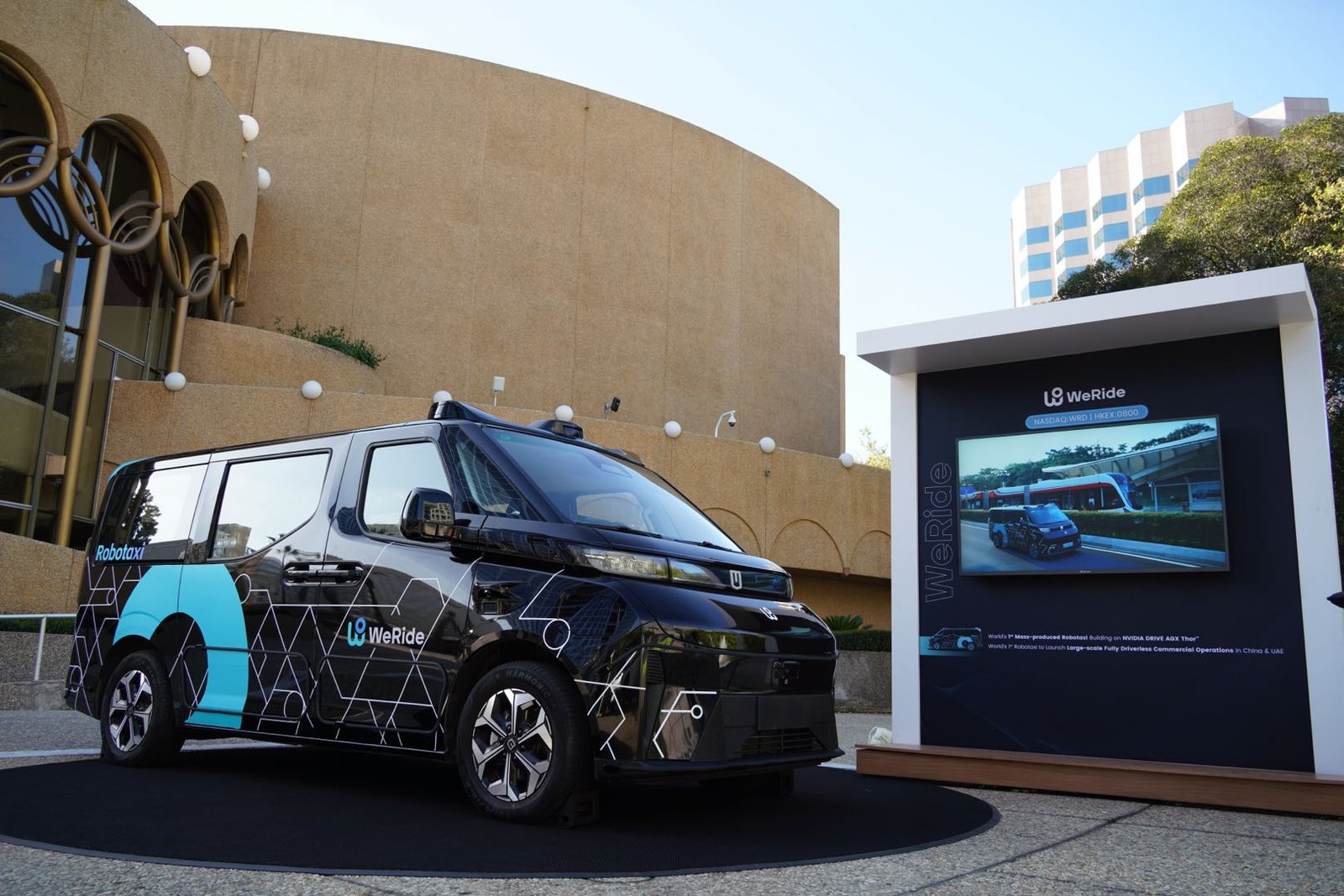
| WeRide | Robotaxi operation plus vehicle sales, services and overseas operator partnerships. | About 1,300 robotaxis globally and about 1,000 in China at April 30. | Nasdaq WRD; HKEX 0800. | Q1 revenue combines product and service lines; pure robotaxi fare revenue is not separately disclosed. |
| AutoX | Private L4 developer and operator. | No fresh audited fleet or revenue figure used in this Owner. | Private. | Do not rank it using old test-fleet announcements. |
| DiDi Autonomous Driving | Autonomous-driving unit connected to a large ride-hailing platform. | No current public fleet or robotaxi revenue figure used here. | Private subsidiary/business unit context. | Platform access is an advantage, not proof of driverless commercial scale. |
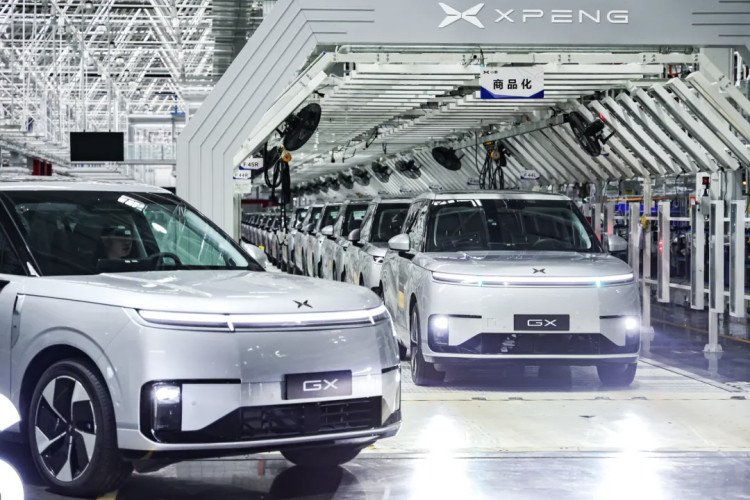
| XPeng | Automaker-led, factory-installed pure-vision robotaxi program. | First self-developed production vehicle rolled off the line in May 2026. | NYSE XPEV; HKEX 9868. | Pilot operation was planned for H2 2026; production is not the same as a paid public service. |
Baidu Apollo Go: the ride-volume leader
Baidu’s Q1 2026 results provide the clearest disclosed ride scale. Apollo Go delivered 3.2 million fully driverless operational rides during the quarter, with weekly rides peaking above 350,000 in March. Rides grew more than 120% year over year, and cumulative public rides exceeded 22 million by April. By May, Baidu said Apollo Go had reached 27 cities globally and accumulated more than 330 million autonomous kilometres, including over 220 million fully driverless kilometres.
Those are company-reported operational metrics. They should not be converted into revenue by multiplying rides by an assumed fare. Baidu does not publish Apollo Go as a standalone financial segment, so its revenue, operating cost, vehicle utilisation and profitability cannot be derived reliably from the group accounts. The accurate conclusion is scale leadership in disclosed rides—not proven nationwide profit.
Baidu’s own business overview adds two useful boundaries. It says Apollo Go’s mainland China operations had become fully driverless by February 2025, meaning its listed mainland services no longer relied on an onboard safety operator inside the approved operating domains. It also says the sixth-generation RT6, a vehicle designed for autonomous ride-hailing rather than ordinary retail ownership, entered operation in October 2024. A purpose-built vehicle can improve passenger space, serviceability and fleet integration, but it does not remove the need for local permits, depot operations, charging, cleaning, maintenance or remote support.
Pony.ai: the clearest robotaxi revenue disclosure
Pony.ai’s Q1 2026 filing is more detailed on economics. It reported US$8.6 million, or RMB 59.1 million, of robotaxi services revenue, up 395.4% year over year. Fare-charging revenue rose 456.5%. The company said its robotaxi fleet exceeded 1,700; a footnote specified 1,776 vehicles produced as of May 24. It also reported a Q1 net loss of US$53.5 million, or RMB 369.1 million, for the whole company.
Pony said its seventh-generation fleet had achieved city-wide vehicle-level unit-economics breakeven in Guangzhou and Shenzhen in late 2025. That is a narrower measure than corporate profitability: it does not include every central R&D, administrative, expansion or financing cost. Its target of more than 3,500 robotaxis in over 20 cities by the end of 2026 and a sub-RMB 230,000 total vehicle cost by mid-2027 are useful milestones, but they remain targets rather than completed outcomes.
WeRide: higher disclosed utilisation, mixed revenue lines
WeRide reported about 1,300 robotaxis globally and about 1,000 in China at April 30, 2026. During Q1, average daily orders per vehicle exceeded 17 and reached 28 in peak periods. The company reported RMB 114.1 million of total revenue and an RMB 431.0 million operating loss. Product revenue of RMB 20.5 million included robotaxi and other L4 vehicle sales, while service revenue included intelligent-data and ADAS services.
The company’s utilisation disclosure is valuable, but the accounting scope matters. Total revenue is not robotaxi fare revenue, and product revenue is not the same as operating rides. WeRide’s partnerships with local fleet operators and platforms such as Uber point toward a more asset-light route overseas, while its China fleet remains an important base for deployment and user adoption.
Where can passengers use a robotaxi in China?
Availability changes by zone, time and permit. A city name on a company map does not mean every resident can summon a driverless car across the entire city. The safest way to describe coverage is to state the approved or disclosed operating area and licence stage.
| City / zone | Verified status | Operators or service | What not to assume |
|---|---|---|---|
| Wuhan | Local rules use testing, demonstration and chargeable commercial-pilot stages; 3,563 km of test roads were open in the city’s October 2025 response. | Apollo Go is the central commercial-pilot example. | Commercial pilot does not equal unrestricted nationwide taxi authority. |
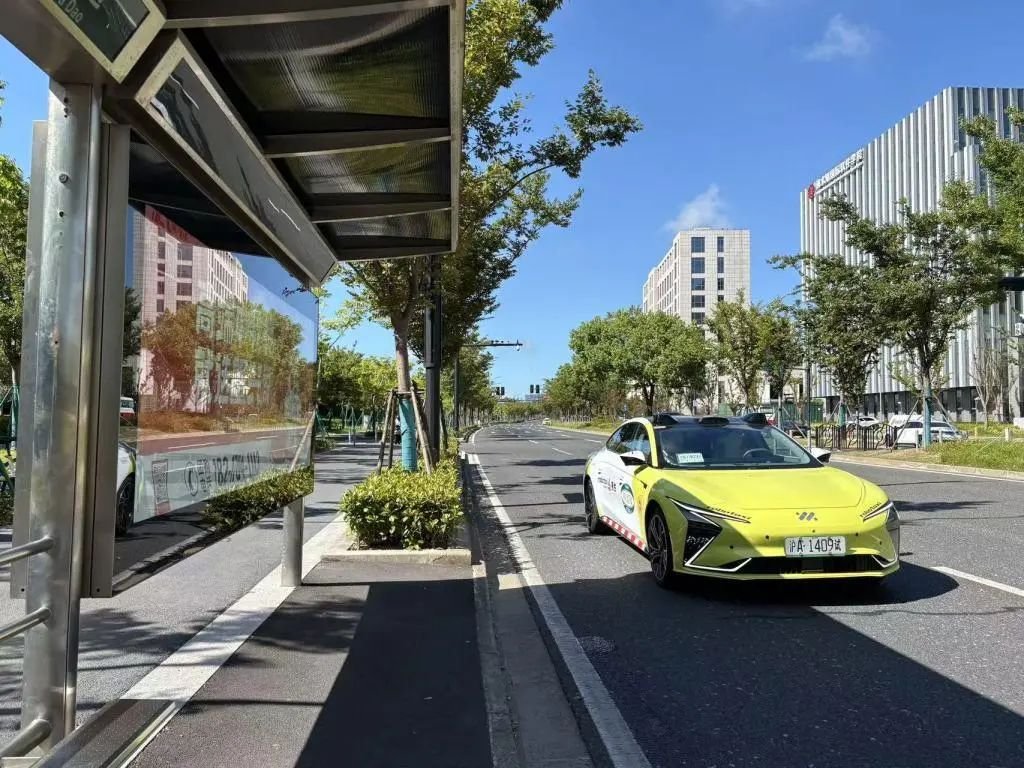
| Shanghai / Lin-gang | Shanghai has testing, safety-officer service and fully commercial-operation permits. Lin-gang’s first commercial group began service in August 2025. | Multiple licensees; Lin-gang service used 58 listed locations. | Shanghai-wide access, airport access and operating hours vary by service. |
| Beijing / Yizhuang | Companies hold staged L4 testing and demonstration permissions in defined areas. | Baidu and Pony.ai are established participants. | A testing or demonstration permit is not automatically a fare-charging city-wide licence. |
| Shenzhen / Qianhai | Pony.ai’s local government coverage described fully driverless commercial operations and nearly 2,000 pickup points in March 2025. | Pony.ai. | Pickup-point density inside Qianhai does not mean all Shenzhen roads are open. |
| Guangzhou / Huangpu | WeRide’s GXR entered 24/7 point-to-point demonstration service in the district in 2025. | WeRide. | “24/7” describes service hours in the approved ODD, not all-weather city-wide autonomy. |
Robotaxi prices and unit economics
There is no reliable national rule that robotaxis are “30%–50% cheaper” than taxis. Introductory subsidies, service zones and local tariff rules make cross-city comparisons misleading. Lin-gang provides a rare official public example: the service started at RMB 16 for trips under five kilometres, then RMB 4 per kilometre beyond that distance. That fare should not be projected onto Wuhan, Beijing, Shenzhen or another operator.
| Metric | Baidu Apollo Go | Pony.ai | WeRide |
|---|---|---|---|
| Rides / utilisation | 3.2 million Q1 fully driverless rides. | Average weekly paid orders in May up 119% from January; absolute order count not disclosed in the release. | More than 17 average daily orders per vehicle in Q1; 28 at peak. |
| Fleet | No directly comparable current fleet count in the Q1 release. | Above 1,700; 1,776 produced by May 24. | About 1,300 global; about 1,000 China at April 30. |
| Revenue | No standalone Apollo Go revenue. | RMB 59.1 million Q1 robotaxi services revenue. | RMB 114.1 million total company revenue; robotaxi fare revenue not separated. |
| Profit evidence | No standalone profit disclosure. | Company-reported vehicle-level UE breakeven in selected cities; Q1 company net loss RMB 369.1 million. | Q1 company operating loss RMB 431.0 million. |
Orders per vehicle are only one input to profitability. Revenue per trip, paid kilometres, empty repositioning, charging time, cleaning, depot rent, maintenance, insurance, remote assistance, mapping or simulation, vehicle depreciation and central R&D all matter. The old source dossier’s “20–30 rides per day to break even” calculation is excluded because its fleet count, price, cost scope and depreciation assumptions were not supported by a current primary filing.
What the current disclosures still do not prove
Robotaxi companies now publish more useful operating data than they did during the test-fleet era, but readers should not assume that every company measures a “ride,” “order,” “active vehicle” or “driverless kilometre in the same way. A cumulative public-ride figure may include free or promotional trips. A produced-vehicle figure can include vehicles awaiting deployment. A global fleet number can include several countries, permit stages and utilisation levels.
The largest missing bridge is between operations and consolidated economics. Baidu does not disclose Apollo Go revenue or profit separately. Pony.ai discloses robotaxi services revenue and selected-city vehicle-level unit economics, but its consolidated company remained loss-making in Q1. WeRide discloses fleet utilisation and company revenue, but its product and service lines include more than passenger fares. Without city-level paid-trip revenue, direct operating cost, depreciation policy and remote-operations cost, a precise cross-company “cost per kilometre” or break-even ranking would be false precision.
Safety comparisons also need a common denominator. Raw incident counts are not comparable unless the companies disclose exposure, ODD, mileage definition, severity and whether human intervention happened remotely or inside the car. This Owner therefore uses audited filings, investor releases and government permit descriptions for claims they actually support, while leaving unsupported league tables and calculated profitability estimates out.
Technology routes: purpose-built fleets and automaker entrants
China’s scaled operators generally use multiple sensors and fail-operational redundancy because an L4 fleet must remain safe after certain component failures. The exact camera, LiDAR, radar and compute configuration differs by generation and vehicle partner. A sensor-count race is less useful than asking whether the whole vehicle, remote-operations process and safety case are approved for the intended ODD.
Pony.ai’s seventh-generation program shows how manufacturing partnerships can reduce cost. The company works with BAIC, GAC and Toyota platforms and said its latest autonomous-driving kit cut bill-of-materials cost by 70% from the prior generation. WeRide’s GXR uses a production-ready vehicle partnership and is being adapted for several markets. Baidu’s RT6 was designed as a purpose-built robotaxi rather than a conventional car with an added sensor rack.
Automakers are also moving closer to the operating layer. XPeng’s first factory-installed, self-developed robotaxi rolled off the line in Guangzhou in May 2026. It uses a pure-vision approach and was planned for pilot operations in the second half of 2026. Until passengers can book a paid ride under an approved permit, it belongs in the “production and pilot” column—not beside mature public fleets.
How to evaluate a robotaxi claim
- Identify the licence stage. Testing, demonstration application and chargeable commercial operation are not interchangeable.
- Ask whether the vehicle is driverless. Some services retain an onboard safety officer; others remove the driver only within a defined ODD.
- Separate produced, deployed and active vehicles. A factory total is not necessarily the number accepting passenger orders.
- Separate operational rides from paid rides. Company releases may include public rides, operational rides or fare-charging orders under different definitions.
- Separate vehicle-level unit economics from company profit. A city fleet can cover direct operating costs while the company continues to spend heavily on R&D and expansion.
- Treat targets as pending. Fleet, city and vehicle-cost goals can change with manufacturing, permits, demand and financing.
What to watch through the end of 2026
| Company | Verified by July 17 | Pending milestone | How to verify later |
|---|---|---|---|
| Baidu | 3.2 million Q1 driverless rides; 27-city global footprint reported in May. | Further European and Middle East testing or service launches. | Use later Baidu earnings and local regulator approvals. |
| Pony.ai | Fleet above 1,700; Q1 robotaxi revenue RMB 59.1 million. | More than 3,500 vehicles and more than 20 cities by year-end. | Check quarterly fleet, produced/deployed split and paid-order disclosure. |
| WeRide | About 1,300 global robotaxis and about 1,000 in China at April 30. | More than 2,600 active robotaxis globally by year-end. | Check Q2–Q4 filings and operator-level deployments. |
| XPeng | First factory-installed robotaxi produced in May. | H2 2026 pilot operation. | Require a city permit, bookable service and disclosed operating zone. |
Scale is real, but commercial maturity remains uneven. Baidu leads disclosed rides, Pony provides the clearest standalone robotaxi revenue, and WeRide provides unusually useful utilisation data. The next proof point is not another demo video: it is repeatable paid demand, wider but controlled ODDs, lower direct operating cost and financial disclosure that connects fleet activity to sustainable returns.
Explore the wider system: Use the China NEV Knowledge Hub for company Owners, assisted-driving technologies, LiDAR, policy and mobility business models. For sensors, see the Automotive LiDAR Owner; for a new automaker entrant, see XPeng’s production milestone.
Frequently Asked Questions
Does China have commercial robotaxis?
Yes. Several cities allow paid robotaxi service within approved zones. The exact licence stage, roads, hours, passenger rules and operators differ by city, so “commercial in China” does not mean nationwide access.
Which is the largest robotaxi company in China?
Baidu Apollo Go leads the latest disclosed ride scale, with 3.2 million fully driverless rides in Q1 2026 and more than 22 million cumulative public rides by April. Fleet and revenue rankings differ because companies disclose different metrics.
Are China’s robotaxis fully driverless?
Some services operate without an onboard safety driver inside approved ODDs. Others remain at testing, demonstration or safety-officer stages. Remote assistance and operations centres can still support a fully driverless service.
How much does a robotaxi ride cost in China?
There is no national fare. One official Lin-gang service started at RMB 16 for trips under five kilometres and RMB 4 per kilometre beyond that. Other cities and operators use different tariffs, discounts and service zones.
Are robotaxi companies profitable?
Not at the consolidated-company level based on the latest filings used here. Pony.ai reported vehicle-level unit-economics breakeven in selected cities, but both Pony.ai and WeRide still reported substantial company losses in Q1 2026. Baidu does not disclose Apollo Go profit separately.
Can a visitor book a robotaxi in China?
Potentially, if the visitor is inside a supported zone and can use the operator or partner app, complete any required identity and payment setup, and choose an active pickup point. App access, language, phone-number and payment requirements should be checked locally.
Sources
- Baidu, Q1 2026 results and Apollo Go operating metrics
- Baidu, Apollo Go and RT6 business overview
- Pony.ai, Q1 2026 results, fleet and robotaxi revenue
- Pony.ai, 2025 results and selected-city unit-economics disclosure
- Pony.ai, Gen-7 cost roadmap and vehicle partnerships
- WeRide, Q1 2026 results, fleet and utilisation
- WeRide, Robotaxi GXR at NVIDIA GTC 2026
- MIIT, intelligent connected-vehicle access and road-use pilot Q&A
- Wuhan Transport Bureau, commercial-pilot stages and open-road scope
- Shanghai government, 2025 licence types, vehicles and passenger orders
- Lin-gang Special Area, commercial service area, hours and fare example
- Beijing Economic-Technological Development Area, Pony.ai staged L4 permits and partner fleet
- Shenzhen Qianhai authority, fully driverless commercial operation and pickup-point coverage
- Guangzhou Development District, WeRide GXR 24/7 Huangpu demonstration service
- Guangzhou Development District, XPeng robotaxi production and planned pilot
- BYDToday, Source Methodology and Editorial Policy