The rebranding removes all references to “full self-driving” from the Chinese market as Tesla awaits regulatory approval for supervised FSD
The naming change and 64,000 yuan price are based on CnEVPost coverage of Tesla China’s website update, with supporting Chinese auto-media reports.
A Pattern of Strategic Renaming
Tesla China quietly updated its website, replacing “FSD” and “Full Self-Driving” with “特斯拉辅助驾驶” (Tesla Assisted Driving). Price remains 64,000 yuan. This is the fourth renaming: from “完全自动驾驶能力” to “FSD智能辅助驾驶” to “智能辅助驾驶” to “特斯拉辅助驾驶”.
Each iteration progressively removed language implying full autonomy — a tacit acknowledgment of Chinese regulators’ sensitivity to safety claims around automated driving systems.
Regulatory Roadmap for Supervised FSD in China
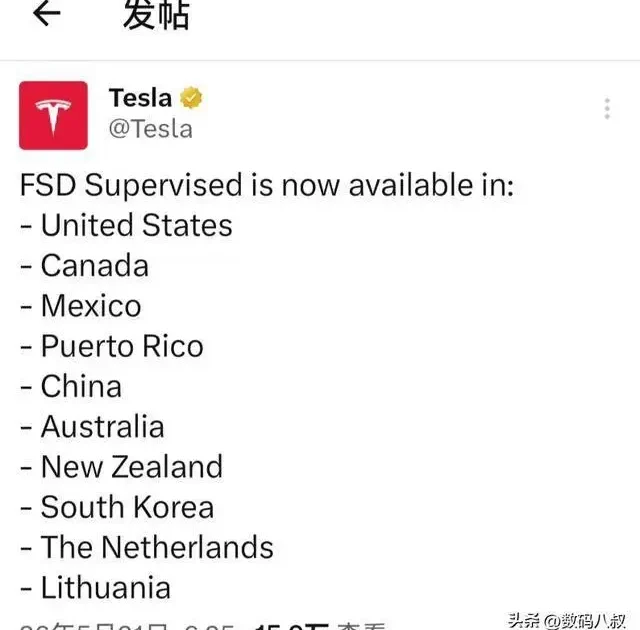
Tesla confirmed on May 21 that supervised FSD would be available in China. The CFO hopes for full regulatory approval by Q3 2026. Since early 2026, Tesla China has posted multiple autonomous driving testing jobs.
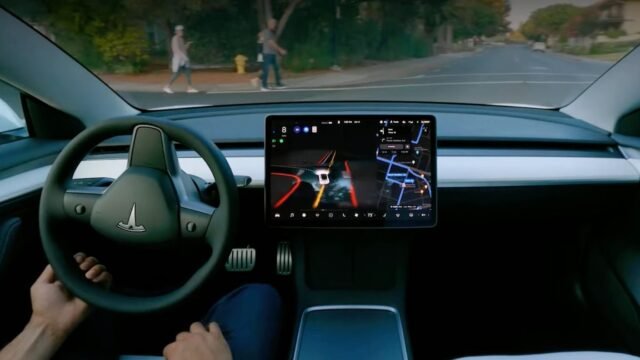
Supervised FSD requires a human driver to remain attentive — aligning with more conservative Chinese regulatory requirements. Sources suggest regulators may require Tesla to accumulate minimum supervised kilometers before broader approval.
Competition in China’s ADAS Market
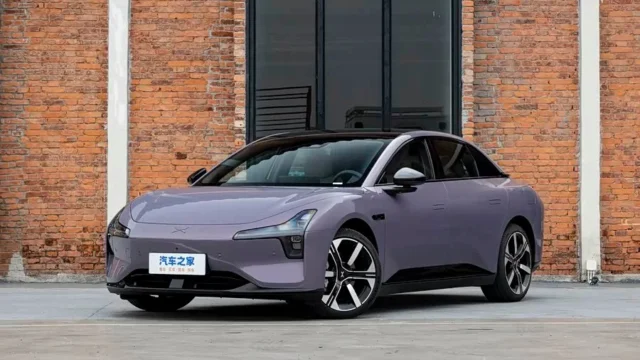
Tesla faces fierce competition from Huawei’s ADS (deployed across AITO, Avatr, and now Dongfeng Yipai), widely regarded as most capable on Chinese roads. Li Auto’s AD Max, Xpeng’s XNGP, and NIO’s NAD all offer competitive city-driving features without Tesla’s premium pricing.
The naming controversy highlights a cultural divide: Tesla uses aspirational language (“Full Self-Driving”) while Chinese automakers emphasize “assisted driving.” Aligning with cautious Chinese terminology may help navigate the regulatory landscape.
Source: Tesla China Website, Apsoto, 36Kr, Sina Auto
Why It Matters Globally
Tesla’s repeated renaming of its driver-assistance system in China — from “Full Self-Driving” to “Tesla Assisted Driving” — reflects a deeper tension between Silicon Valley’s aspirational technology marketing and the regulatory reality of global markets. Chinese authorities have been methodically building a framework that classifies all consumer vehicles as Level 2 assisted driving, requiring clear terminology and human driver accountability. As more countries adopt similar cautious approaches to autonomous driving regulation — the EU’s UN R157 framework, Japan’s revised Road Transport Vehicle Act — Tesla’s China experience previews the regulatory friction every advanced driver-assistance system will face in international markets. How Tesla navigates this tension may determine whether the company’s AI-driven approach to autonomy can scale globally or remains constrained by jurisdiction-by-jurisdiction compliance challenges.
Frequently Asked Questions
How many times has Tesla renamed FSD in China?
Tesla has renamed its driver-assistance system four times in China: from “完全自动驾驶能力” (Full Autonomous Driving Capability) to “FSD智能辅助驾驶” (FSD Intelligent Assisted Driving), then to “智能辅助驾驶” (Intelligent Assisted Driving), and most recently to “特斯拉辅助驾驶” (Tesla Assisted Driving). Each iteration removed language implying autonomy to align with Chinese regulators’ preference for conservative assisted-driving terminology.
Does the FSD rename affect the features available to Tesla owners in China?
The rename itself does not change available features, but it reflects the regulatory environment in which those features operate. Tesla’s China-market driver-assistance system offers fewer capabilities than the US version due to regulatory restrictions on over-the-air updates, data collection, and mapping. The system remains a Level 2 assisted-driving product requiring constant driver supervision, regardless of what Tesla calls it.
How does Tesla’s China ADAS compare to competitors like Huawei ADS?
Huawei ADS, deployed across AITO, Avatr, and Dongfeng Yipai vehicles, currently offers more comprehensive city-level navigation features across 400+ Chinese cities, while Tesla’s system remains more limited in urban environments. Chinese competitors benefit from unrestricted access to HD mapping data and no cross-border data-transfer restrictions — advantages Tesla cannot fully match under current regulations.