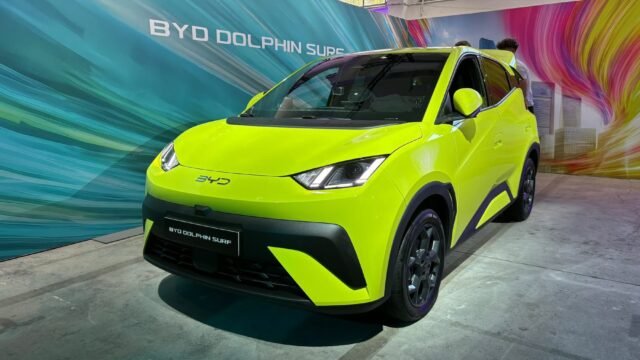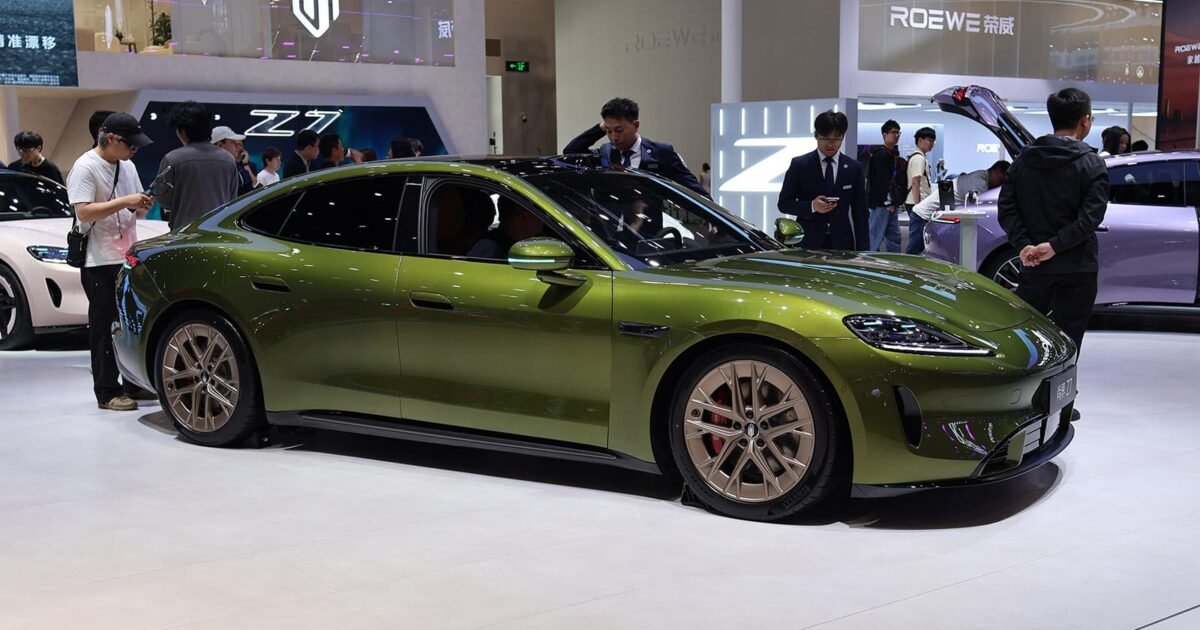
China’s new energy vehicle market reached a historic milestone in May 2026, with the retail penetration rate surging to an all-time high of 62.9%, according to data from the China Passenger Car Association (CPCA) compiled by CnEVPost. This marks the second straight month above the 60% threshold, a level that seemed improbable just three years ago when NEV penetration hovered around 30%.
Why It Matters Globally
China’s 62.9% NEV penetration is not just a domestic milestone — it is a bellwether for the global auto industry’s trajectory. As the world’s largest car market, China’s electrification pace sets expectations for technology costs, supply chain capacity, and consumer adoption curves everywhere. When the largest market tips decisively toward electrification, the economics of producing internal combustion vehicles become increasingly difficult to justify — a dynamic that is already reshaping the strategies of companies like Volkswagen, Toyota, and Stellantis.
Perhaps most striking is the composition of the NEV market. Within the 62.9% NEV share, battery electric vehicles (BEVs) commanded a dominant 67% of NEV sales at 637,000 units — up 3.9% year-on-year — while extended-range electric vehicles (EREVs) slid to just 7% of NEVs at 85,000 units, a sharp 28% year-on-year decline. This widening gap between BEVs and EREVs has profound implications for automakers globally who must decide where to allocate development resources.
What the Data Tells Us About Tech Transitions
The CPCA data reveals several accelerating trends. Total NEV retail sales reached 950,000 units in May, but this represented a 7.5% year-on-year decline — the fifth consecutive month of annual decline — indicating that the broader Chinese auto market is contracting even as electrification accelerates. The penetration rate is rising primarily because combustion vehicle sales are falling faster than NEV sales.
According to EV Industry Report, the overall Chinese auto market declined 22% in May, with internal combustion engine (ICE) vehicle sales collapsing at an accelerating rate. This is consistent with a classic technology transition S-curve: as EVs reach cost parity and charging infrastructure reaches critical mass, the remaining ICE buyers are increasingly those who cannot yet switch due to specific usage requirements — and that pool shrinks with each passing month.
The export data adds another layer. Chinese NEV exports surged in May, with BYD and Geely leading overseas shipments. EV Industry Report notes that overseas markets are absorbing an increasing share of Chinese EV production, effectively serving as a release valve for domestic overcapacity while simultaneously pressuring local automakers in destination markets.
What Western Automakers Should Learn
For Western automakers, the 62.9% number should be a wake-up call — and not just about China. The technology cost reductions that have driven Chinese EV adoption — from LFP battery chemistry to vertically integrated supply chains — are now being exported globally through Chinese automakers’ overseas expansions and through technology licensing deals.
Several implications stand out. First, the ICE-to-EV transition is happening faster than most Western automakers’ product plans assume. Legacy automakers still planning to sell significant volumes of combustion vehicles in 2030-2035 may find that their addressable market has shrunk more rapidly than forecast. Second, the BEV dominance within China’s NEV mix — 67% and growing — suggests that hybrid technologies like EREVs and plug-in hybrids are temporary bridges, not permanent destinations. Companies investing heavily in hybrid platforms today need to ensure those investments can be amortized within a narrowing window.
Third, Chinese automakers’ ability to maintain or grow sales volumes despite a contracting domestic market — by pushing into export markets — means Western automakers face competitive pressure not just in China but increasingly in their home markets. The CnEVPost analysis confirms that leading Chinese brands are offsetting domestic volume declines with export growth, a pattern likely to intensify as European and Latin American markets open further to Chinese EVs.
What This Means for EV Buyers
For global consumers, China’s accelerating NEV transition creates both opportunities and considerations. On the opportunity side, the economies of scale generated by China’s massive EV market are driving down battery and component costs globally, making EVs more affordable everywhere. The 62.9% penetration rate — achieved through genuine consumer preference rather than solely through subsidies — validates that EVs can win on merit in a competitive market.
However, buyers should be aware that the rapid transition is creating market distortions. The decline in combustion vehicle sales is depressing used-ICE trade-in values, potentially affecting buying decisions. The flood of Chinese EV exports, while beneficial for price competition, also creates uncertainty about long-term parts availability and service for brands that may struggle to sustain their global operations. Buyers in markets considering a Chinese-brand EV should evaluate the manufacturer’s long-term commitment to their region — not just today’s price point.
Related Coverage
For more on how NEV trends affect specific brands: CATL Chairman Says Solid-State Batteries Years From Mass Market
For more on Chinese EV exports: BYD Defies EU Tariff Walls as Germany and Spain Sales Surge in H1 2026