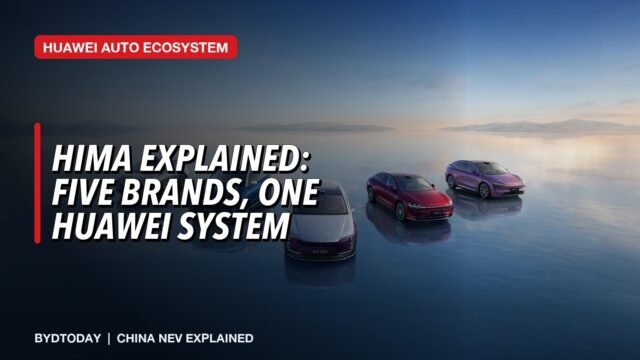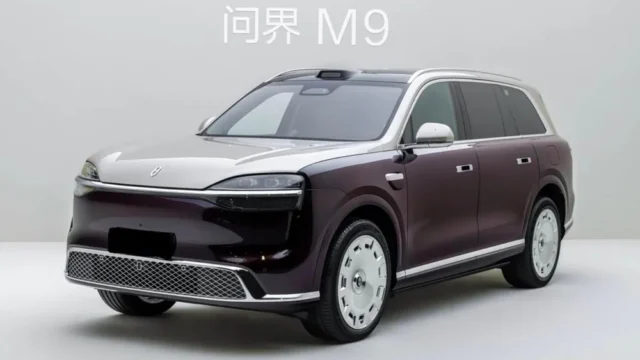
Quick answer: Seres is the Chinese automaker behind AITO—not the US microbiome company Seres Therapeutics. Founder Zhang Xinghai is its current chairman. The group is listed in Shanghai as 601127 and Hong Kong as 9927. Huawei is its strategic technology and retail partner, but does not own about 10% of Seres; Seres Auto instead bought a 10% stake in Huawei’s automotive supplier Yinwang.
Last verified: July 17, 2026. Leadership, shareholders, AITO rights, Yinwang ownership, sales and financial figures are dated to their underlying Seres or exchange disclosures. The preliminary first-half loss estimate is explicitly separated from audited annual results.
Page role: This is BYDToday’s single Seres Brand + Founder Owner. It covers the listed company, Zhang Xinghai, AITO ownership and the Huawei relationship. The Huawei HIMA Owner covers the five-brand alliance; Q1 financial news and AITO model launches remain dated support. Browse the wider China NEV knowledge hub for adjacent company, technology and market Owners.
What is Seres?
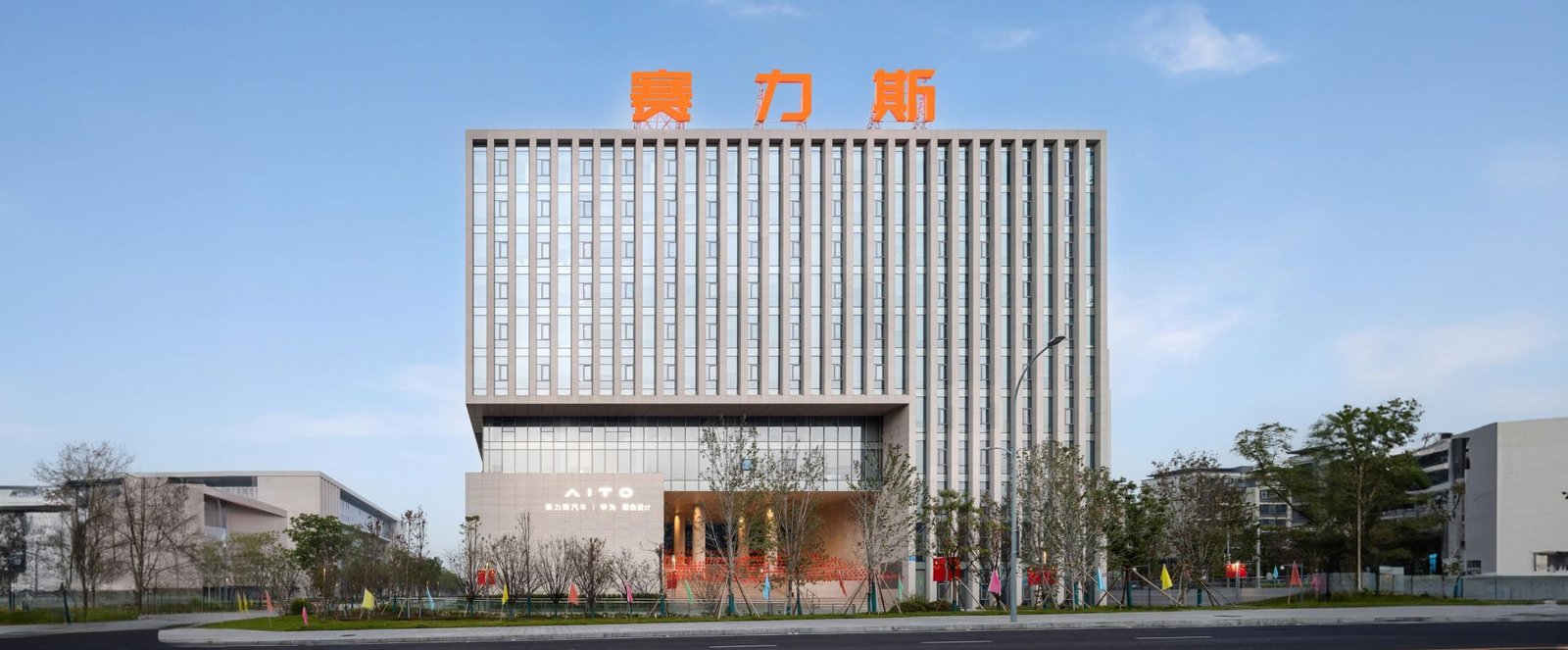
Seres Group is a Chongqing-based vehicle and technology company whose core business is new-energy vehicles. Its Chinese name is 赛力斯. “Seres” can refer to the listed group, its main automotive subsidiaries, the legacy SERES vehicle badge or, in search results, an unrelated US biotechnology company. This guide concerns the Chinese automaker traded on the Shanghai Stock Exchange under 601127 and, since November 2025, on the Hong Kong Stock Exchange under 9927.
The company’s official history begins in 1986 with a small spring-manufacturing business. It entered the auto industry through cooperation with Dongfeng in 2003, listed its shares in Shanghai in 2016, launched the SF Motors and SERES effort in the United States in 2018, and started deep Huawei cooperation with the SF5 in 2021. The group adopted the Seres name in 2022, opened its Chongqing “super factory” in 2024 and added an H-share listing in 2025.
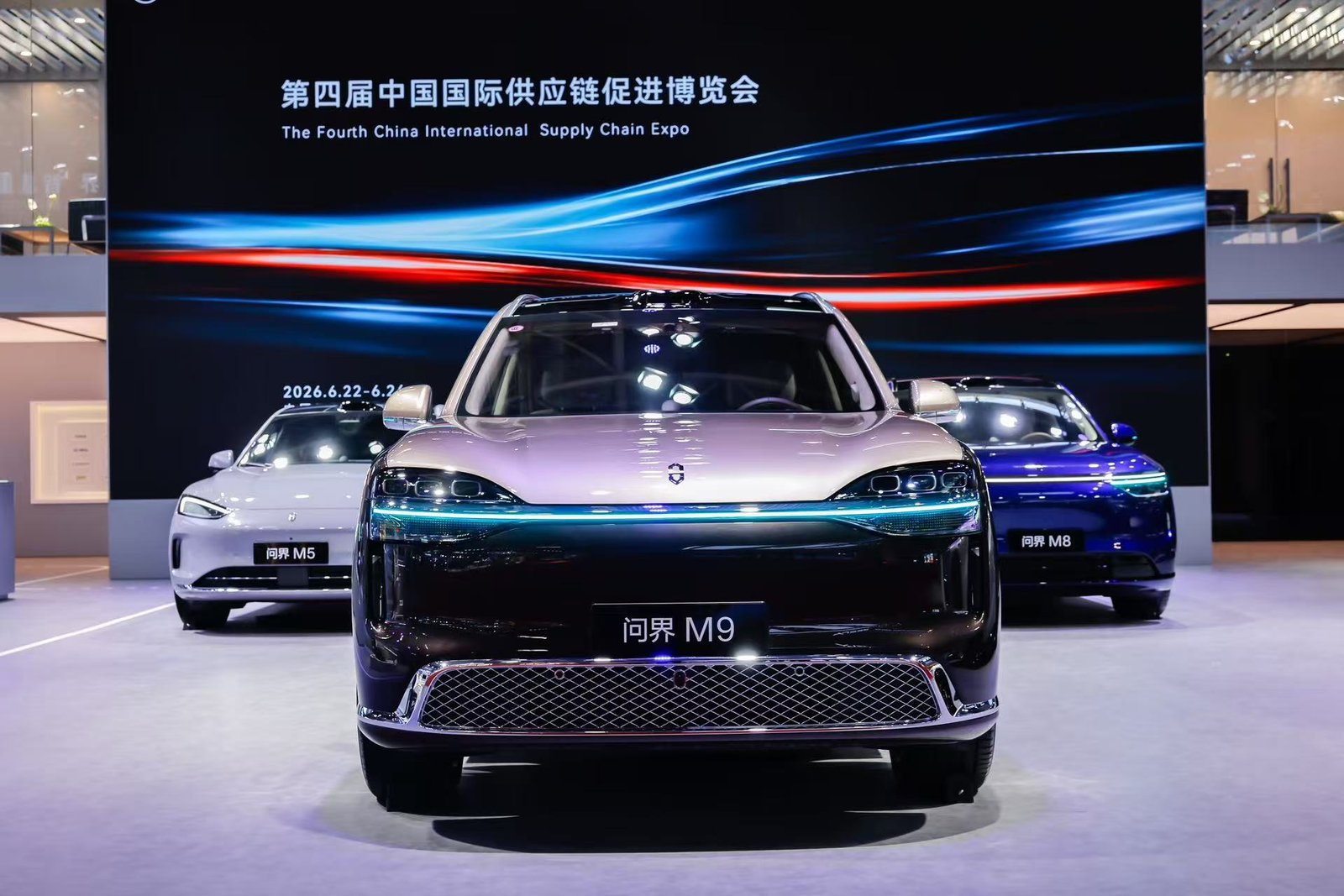
AITO is now the commercial center of the story. The product family spans the M5, M6, M7, M8 and M9 at the July 2026 cutoff. The group also retains smaller commercial-vehicle and overseas activities associated with Ruichi, Blue Electric and DFSK. Those names should not be merged into one badge: AITO is the premium HIMA-facing consumer brand, while the other operations serve different customers and markets.
Who founded Seres, and who leads it now?
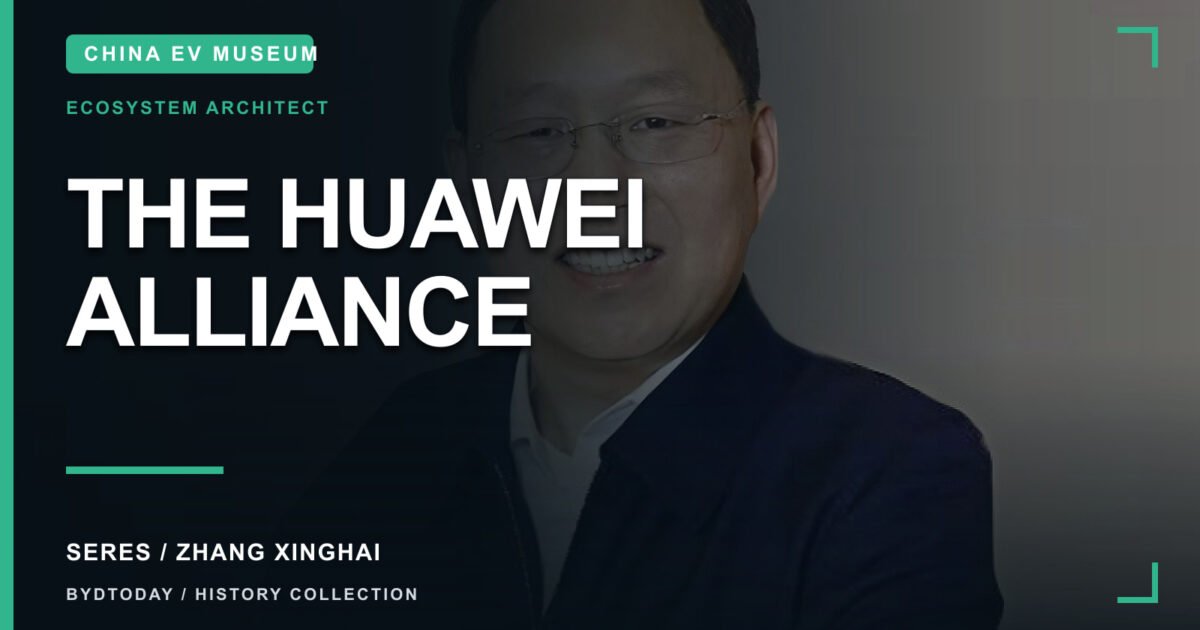
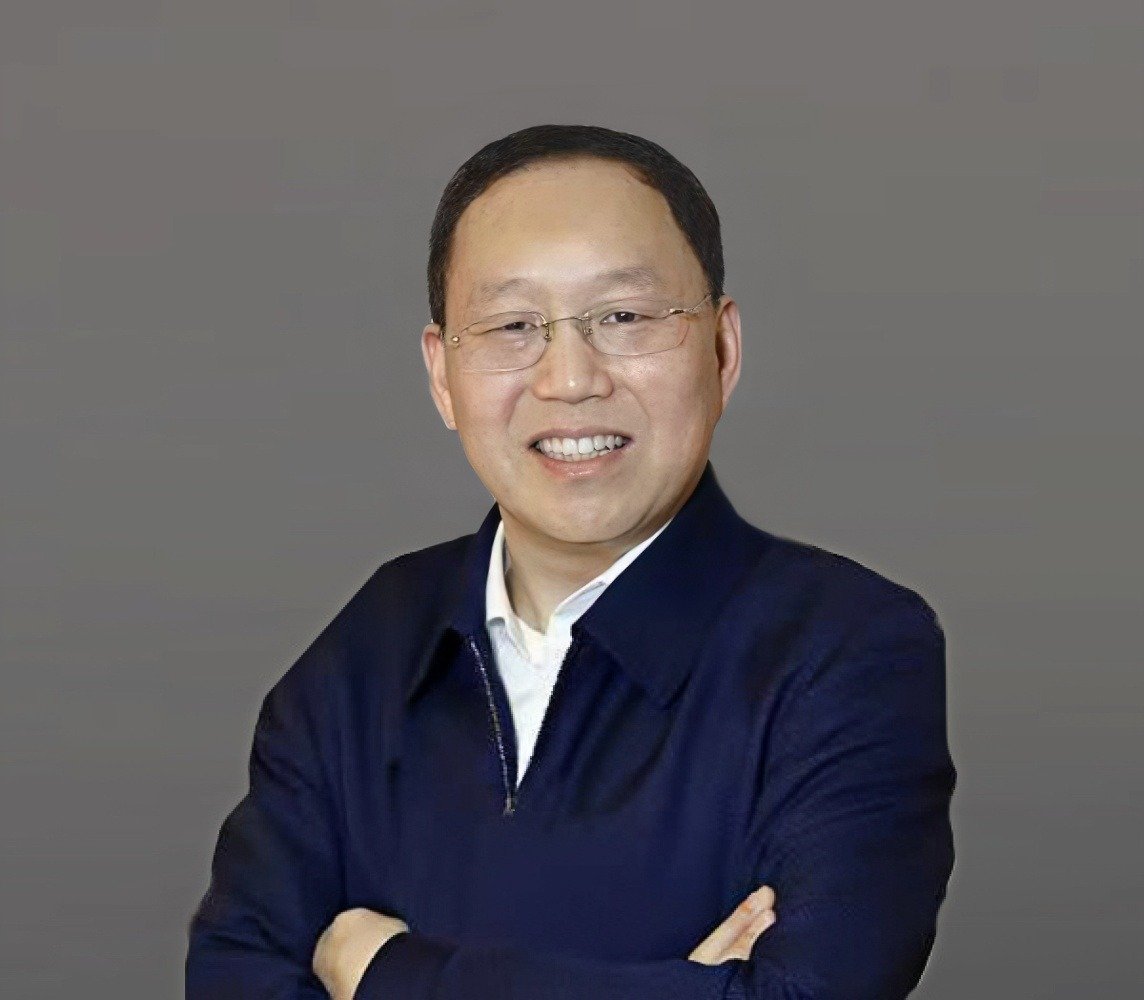
Zhang Xinghai, born in 1963, founded the business that became Seres. His career is different from the venture-backed startup pattern associated with many newer Chinese EV companies. He built an industrial supplier, expanded into motorcycles and vehicle components, entered automobiles through Dongfeng cooperation and later pushed the group toward higher-value new-energy vehicles.
Leadership titles need a date. Zhang Zhengping had chaired the listed company before the April 2026 governance change. On April 22, shareholders elected Zhang Xinghai as an executive director and the board elected him chairman. Seres’ current management page therefore identifies Zhang Xinghai as chairman and founder. It identifies Yin Xianzhi as director and president. Older pages that call Zhang only the founder or former chair are incomplete for the current period.
Zhang is also the group’s disclosed actual controller, but that does not mean he personally holds every controlling share in his own name. The 2025 annual report says he owns 50% of Chongqing Sokon Holding, the group’s largest shareholder. Control is exercised through that holding-company structure and related interests. This distinction is important when comparing founder control with the percentage shown beside Zhang’s personal name on a shareholder list.
| Date | Milestone | Why it matters | Boundary |
|---|---|---|---|
| 1986 | Business traces its origin to a Chongqing-area spring factory. | Shows the founder’s industrial rather than internet-startup background. | The modern Seres auto group did not yet exist. |
| 2003 | Cooperation with Dongfeng moved the business into automobiles. | Created the basis for the Dongfeng Sokon / DFSK era. | Dongfeng remains a major shareholder but is not the founder. |
| 2016 | Company listed in Shanghai, now under ticker 601127. | Made the group a public A-share issuer. | Later name and business changes do not create a new listing date. |
| 2018–2019 | SF Motors / SERES launched in the US; Liangjiang smart factory followed. | Marked the early premium-NEV technology push. | Legacy SERES branding is not identical to today’s AITO range. |
| 2021–2022 | Huawei Smart Selection SF5 launched; AITO expanded and the group adopted the Seres name. | Established the partnership that transformed the company. | Huawei partnership does not equal Huawei equity ownership of Seres. |
| 2024 | Seres super factory opened; AITO trademark and design-patent acquisition announced. | Deepened manufacturing and brand control. | The announcement describes an asset acquisition, not a purchase of Huawei itself. |
| November 2025 | H shares began trading in Hong Kong as 9927. | Added an international capital-market listing. | Shanghai 601127 continued; this was not a delisting from China. |
| April 2026 | Zhang Xinghai elected executive director and chairman. | Restored the founder to the current chair role. | Use a date when describing leadership. |
Who owns Seres Group?
Seres is publicly traded, so “who owns it?” has more than one answer. Zhang Xinghai is the actual controller through the Sokon Holding structure. In the March 31, 2026 shareholder table, Sokon Holding held 20.98%, Dongfeng Motor held 18.79%, HKSCC Nominees held 6.24% for H-share investors, and Chongqing Yu’an Innovation Technology held 3.79%. Percentages move with share issuance, transfers and market trading.
Dongfeng’s stake reflects the long-running vehicle partnership. It is a major strategic shareholder, not the ultimate founder-controller. HKSCC Nominees is a nominee account for Hong Kong investors, not one economic owner. A list that presents “HKSCC” as a single corporate backer would misread the filing.
Huawei is not listed as a major Seres shareholder in that table. The widely repeated claim that Huawei owns roughly 10% of Seres reverses the direction of a different transaction: Seres Auto bought 10% of Shenzhen Yinwang Intelligent Technology from Huawei for CNY 11.5 billion. After the H-share issuance diluted the listed group’s effective interest, Seres reported an effective 9.36% group interest in Yinwang at year-end 2025. The direct subsidiary-level holding and the consolidated effective percentage are different accounting views of the same investment.
| Entity | Relationship | Latest cited figure | Do not infer |
|---|---|---|---|
| Zhang Xinghai | Founder and actual controller through holding-company interests | Owns 50% of Sokon Holding, per 2025 annual report | Not the same as a 50% direct stake in listed Seres. |
| Sokon Holding | Largest disclosed A-share holder | 20.98% at Mar. 31, 2026 | Its stake alone does not describe every related voting interest. |
| Dongfeng Motor | Long-term vehicle partner and major shareholder | 18.79% at Mar. 31, 2026 | Major shareholder does not mean founder or sole owner. |
| H-share investors | Public investors represented through HKSCC Nominees | 6.24% in the Q1 shareholder table | HKSCC is a nominee, not one economic owner. |
| Huawei | Technology, product and channel partner; seller of Yinwang stake | No major Seres equity stake disclosed | Huawei does not own “about 10% of Seres.” |
| Seres Auto → Yinwang | Strategic investment in automotive technology supplier | 10% direct stake; 9.36% effective group interest at end-2025 | Yinwang investment is not ownership of Huawei. |
Who owns AITO, and what did Seres buy from Huawei?
AITO, known as Wenjie or 问界 in Chinese, began inside Huawei’s Smart Selection collaboration with Seres. That origin created persistent confusion over whether AITO is a Huawei brand, a Seres brand or both. The most accurate current answer separates legal assets from operating cooperation.
In July 2024, Seres disclosed that its Seres Auto subsidiary agreed to acquire 919 registered or pending trademarks associated with Wenjie and AITO, plus 44 design patents, from Huawei for CNY 2.5 billion. The announcement said the assets were dedicated to the joint business and that the transaction would not change the parties’ cooperation. Seres’ 2025 annual reporting now treats AITO as its core vehicle brand. Therefore, the blanket statement “Huawei owns AITO” is no longer a safe description of the current arrangement.
That does not mean Huawei disappeared. Huawei remains deeply involved through HIMA, intelligent-vehicle solutions, product and experience collaboration, marketing and retail reach. Seres brings the vehicle company, manufacturing qualification, engineering, factory system, supply-chain management, homologation and aftersales obligations. The HIMA guide compares this structure with Luxeed, Stelato, Maextro and Shangjie; it should not be duplicated on this corporate page.
How the Huawei, HIMA and Yinwang relationships fit together
Three labels are often collapsed into “Huawei car,” but they describe different things. HIMA is a customer-facing smart-vehicle alliance and retail ecosystem. Yinwang is an intelligent-vehicle technology supplier in which Huawei retained the majority interest and Seres Auto and Avatr each acquired 10% stakes. Huawei ADS is a product family, not a company or a shareholder.
The Yinwang investment tightens commercial alignment. Seres’ 2025 annual report records the completed registration and payment, an associate-company accounting relationship and a board seat. It also reports CNY 22.335 billion of purchases from Yinwang during 2025. That scale demonstrates dependence and integration, but it does not prove that every dollar was unique technology or that Seres has managerial control over Yinwang.
For assisted-driving version, hardware and capability boundaries, use BYDToday’s Huawei Qiankun ADS Owner. Sensor counts and software availability change by model, trim, OTA version and jurisdiction; a company history should not freeze one launch configuration as a permanent group-wide specification.
| Name | What it is | Role in the system | Content boundary |
|---|---|---|---|
| Seres Group | Shanghai- and Hong Kong-listed automaker | Corporate parent, capital allocation and group governance | This page owns the company and founder intent. |
| Seres Auto | Main vehicle subsidiary | AITO manufacturing, brand assets and operating execution | Subsidiary figures should not automatically be labeled group totals. |
| AITO / Wenjie | Premium consumer vehicle brand | M5, M6, M7, M8 and M9 model families | Model specifications belong on separate dated pages. |
| Huawei HIMA | Five-brand alliance and consumer ecosystem | Product collaboration, technology, marketing and retail support | HIMA is not Seres’ legal parent. |
| Yinwang | Automotive technology supplier and Seres associate | ADS, cockpit, control, optics, cloud and related solutions | Not the same entity as HIMA or the AITO brand. |
| Ruichi / Blue Electric / DFSK | Other group vehicle businesses or badges | Commercial, value and overseas-market coverage | Do not treat every group vehicle as an AITO. |
What Seres manufactures and sells
The current official vehicle page presents AITO M9, M8, M7, M6 and new M5 Ultra as the central consumer range. Both battery-electric and range-extended configurations appear across the family, but not on every model in every market. The separate AITO M6 launch guide and M9 delivery report preserve dated pricing and launch claims without crowding this Owner.
The company’s overseas story is more modest than its global language can imply. The 2025 annual report recorded CNY 162.490 billion of domestic revenue and CNY 2.398 billion overseas, with overseas revenue down 43.05%. DFSK and SERES-branded export activity gives the group an international footprint, but current revenue remains overwhelmingly domestic. “Global automaker” should not be read as balanced global sales.
Seres is also exploring activity beyond AITO. The Saidou Aiva report covers one newer initiative. It remains supporting news until the company provides enough durable product, ownership and delivery evidence to justify a separate brand Owner.
Seres financial performance: growth, investment and 2026 pressure
Seres reported 2025 revenue of CNY 164.888 billion, up 13.63%, and attributable profit of CNY 5.957 billion. New-energy vehicle sales reached 472,300, up 10.63%. Research and development spending rose 42.41% to CNY 7.954 billion, while operating cash inflow was CNY 28.120 billion. Those audited full-year figures show both scale and a heavy investment cycle.
The first quarter of 2026 remained profitable on the statutory measure. Revenue rose 34.46% to CNY 25.746 billion and attributable profit increased 0.89% to CNY 754.5 million. Adjusted attributable profit, however, fell 73.87% to CNY 102.9 million, and operating cash flow was negative CNY 20.95 billion. BYDToday’s Q1 article should be read with the exchange filing because its converted US-dollar headline is a convenience, not the reporting currency.
On July 12, Seres issued a preliminary, unaudited first-half loss estimate: attributable net loss of CNY 1.5–1.8 billion and adjusted loss of CNY 2.2–2.5 billion. It cited higher material prices and asset carrying-value adjustments related to technology and model iteration. The formal interim report was not yet available at this page’s July 17 cutoff, so the estimate must not be presented as a final audited loss.
Volume also needs a defined perimeter. The July 1 filing reported 178,777 new-energy vehicles in the first half, up 3.87%; “Seres models” accounted for 160,770, up 5.60%. June Seres-model sales were 30,331, down 30.19% year over year. These are company-reported sales, not retail registrations or HIMA-wide deliveries. The China EREV standards page supplies the broader policy context without turning Seres’ own disclosures into market totals.
| Period | Reported result | Status | How to read it |
|---|---|---|---|
| FY 2025 | Revenue CNY 164.888bn; attributable profit CNY 5.957bn; NEV sales 472,300 | Annual report | Audited group-level full-year baseline. |
| Q1 2026 | Revenue CNY 25.746bn; attributable profit CNY 754.5m | Quarterly filing | Statutory profit grew slightly, while adjusted profit fell sharply. |
| H1 2026 sales | NEV 178,777; Seres models 160,770 | Preliminary company sales | Wholesale/company sales perimeter, not registrations. |
| June 2026 | Seres-model sales 30,331, down 30.19% YoY | Preliminary monthly filing | One month should not be annualized. |
| H1 2026 profit | Estimated attributable loss CNY 1.5–1.8bn | Preliminary and unaudited | PENDING formal interim report; range is not a final result. |
What to watch next
Seres has moved from a low-cost vehicle and component group to one of China’s most visible premium NEV partners. The change produced rapid revenue growth, a strong AITO position and deeper access to Huawei technology and channels. It also concentrated the company around one alliance, raised research and procurement commitments, and exposed earnings to model cycles and technology write-downs.
Four signals matter more than headline launch orders. First, whether M6, M8 and M9 can broaden demand without forcing large discounts. Second, whether the group returns to positive adjusted earnings and operating cash generation after the preliminary first-half loss. Third, how the Yinwang investment changes technology cost and governance. Fourth, whether overseas revenue resumes growth from its small 2025 base.
The durable conclusion is narrower than either side’s marketing. Seres is not merely Huawei’s contract factory, and Huawei is not merely a component vendor. Seres owns the listed vehicle platform and has acquired key AITO brand assets; Huawei supplies a strategically critical technology, product and retail system. Understanding both sides—and keeping legal ownership separate from operating dependence—is the key to reading the company.
Frequently asked questions
What is Seres?
Seres Group is a Chongqing-based Chinese new-energy vehicle company listed in Shanghai as 601127 and Hong Kong as 9927. It is the automaker behind AITO and is unrelated to the US biotechnology company Seres Therapeutics.
Who owns Seres Group?
Seres is publicly traded. Founder Zhang Xinghai is the disclosed actual controller through Sokon Holding and related interests. Sokon Holding held 20.98% and Dongfeng Motor 18.79% in the March 31, 2026 shareholder table.
Does Huawei own Seres?
Huawei is a strategic technology, product and retail partner, but it is not disclosed as a major Seres shareholder. The common 10% claim reverses another deal: Seres Auto bought 10% of Huawei’s automotive supplier Yinwang.
Who owns AITO?
Seres Auto agreed in 2024 to buy 919 registered or pending AITO-related trademarks and 44 design patents from Huawei for CNY 2.5 billion. Seres now treats AITO as its core brand, while Huawei remains deeply involved through HIMA technology, product and retail cooperation.
What is the relationship between Seres and Yinwang?
Yinwang is an intelligent-vehicle technology supplier. Seres Auto acquired a 10% direct stake for CNY 11.5 billion; after H-share dilution, Seres reported a 9.36% effective group interest at the end of 2025.
Is Seres profitable in 2026?
Seres reported CNY 754.5 million of attributable profit for Q1 2026, but later estimated a preliminary, unaudited H1 attributable loss of CNY 1.5–1.8 billion. The formal interim report was still pending at the July 17 cutoff.
Sources
- Seres, official company overview and business scope
- Seres, official corporate history timeline
- Seres, current management biographies
- Seres, current vehicle and brand page
- Seres / HKEX, 2025 annual report
- Seres / HKEX, first-quarter 2026 report
- Seres / HKEX, June and first-half 2026 sales announcement
- Seres / HKEX, preliminary first-half 2026 loss estimate
- Seres / HKEX, April 2026 board and chairman election announcement
- Seres / HKEX, H-share allotment result and November 2025 listing
- Seres, AITO-related trademark and design-patent acquisition announcement
- Seres, agreement to acquire 10% of Yinwang
- Seres, 2026 supply-chain event and official AITO image
- Seres, one-millionth AITO production milestone