Quick Answer
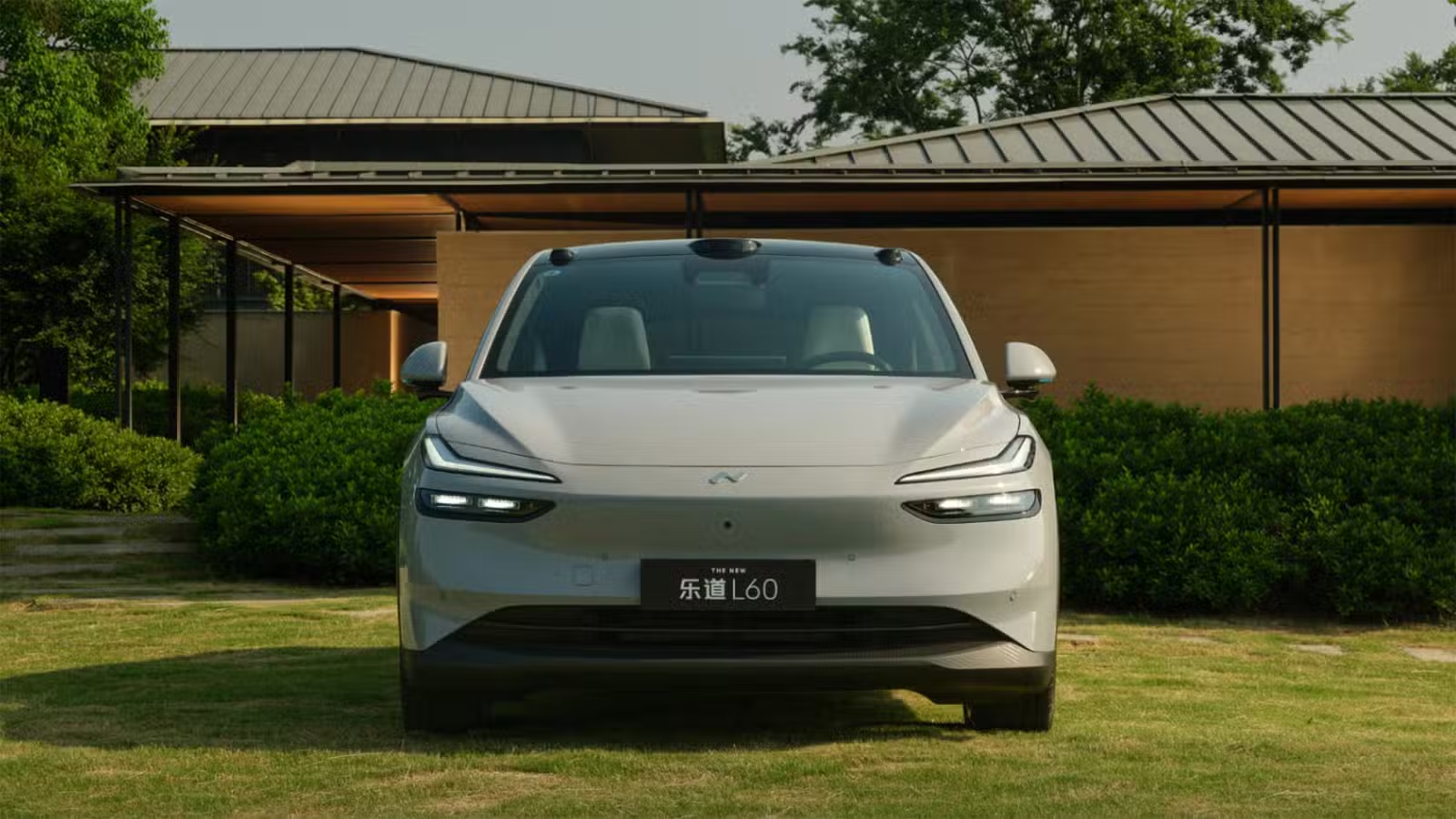
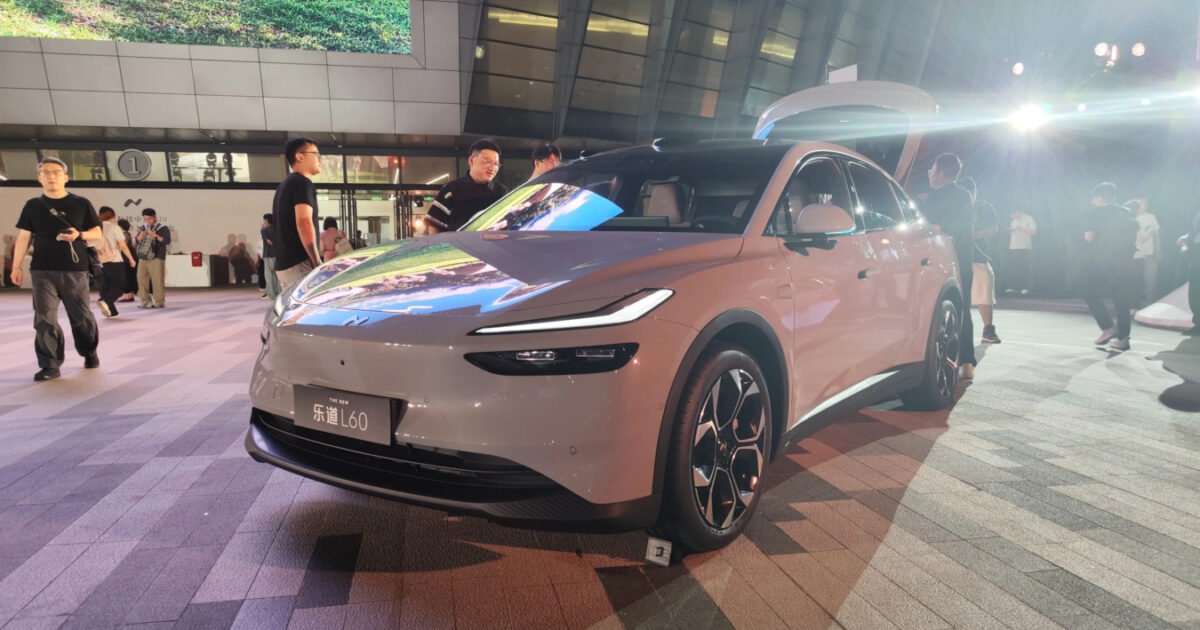
ONVO, NIO’s family-oriented sub-brand, just delivered its 100,000th L60 SUV in Shanghai — fewer than 21 months after its September 2024 launch. The milestone makes the ONVO L60 one of the top three best-selling all-electric mid-size SUVs in China’s RMB 200,000 ($29,400) class. The refreshed 2026 L60 starts at RMB 192,800 ($28,350) for full purchase, or just RMB 135,800 ($19,970) under NIO’s BaaS battery subscription — putting Tesla Model Y-rivaling specs within reach of mass-market Chinese buyers. With the ONVO brand delivering 12,029 vehicles in May (+91.5% YoY), this is the clearest signal yet that NIO’s multi-brand strategy is working.
Why It Matters Globally
ONVO hitting 100,000 deliveries in under two years is not just a Chinese domestic story — it’s a proof point that premium EV architecture can be scaled down to mainstream price points without sacrificing technology. The L60 rides on NIO’s NT3.0 platform, features the same 5-nanometer Shenji NX9031 autonomous driving chip found in NIO’s flagship ET9 sedan, and supports 900V ultra-fast charging — all at a price that undercuts the Tesla Model Y by approximately $8,000 in China.
This is exactly the kind of technology cascade — from premium to mainstream — that Western automakers have struggled to execute. Volkswagen’s software delays, Ford’s Model e losses, and GM’s Ultium platform teething problems all trace back to the same challenge: making advanced EV tech affordable. ONVO’s trajectory shows that NIO has cracked this equation. If the model eventually reaches Europe, Southeast Asia, or the Middle East — all markets where NIO already has a presence — it could reset expectations for what a $30,000 EV should deliver, according to NIO’s May 2026 delivery data analyzed by CnEVPost.
What Chinese Sources Are Saying
The milestone was announced on June 26, with ONVO confirming the 100,000th L60 was delivered in Shanghai. Since first customer deliveries began on September 28, 2024, the L60 has averaged roughly 4,760 units per month — a pace that puts it ahead of most competitors in its segment, per CnEVPost’s delivery tracker.
Chinese auto media point to several key factors behind the L60’s success. First, the NIO BaaS (Battery as a Service) subscription model is proving its mass-market appeal: at RMB 135,800 for the vehicle minus battery, the L60 effectively costs 30% less than a Tesla Model Y in China. Second, the June 2026 refresh brought 106 upgrades across six dimensions, including the addition of LiDAR on higher trims and the in-house Shenji NX9031 chip — making 5nm automotive-grade computing available at a price point typically reserved for budget vehicles. Third, ONVO benefits directly from NIO’s nationwide battery swap network of over 2,700 stations, solving the infrastructure anxiety that plagues many first-time EV buyers, as noted by China EV Home.
What Western Sources Say
Western analysts are watching ONVO closely as a potential preview of NIO’s international expansion playbook. NIO has been deliberately slow with its European rollout — its UK engineering hub and asset-light dealer partnerships reflect a cautious, brand-first approach. But a mainstream sub-brand like ONVO could accelerate NIO’s European market penetration dramatically if it arrives, according to Electric Cars Report’s analysis of NIO’s record May deliveries.
The competitive implication is straightforward: if ONVO can sustain 10,000+ monthly deliveries in China’s ultra-competitive market, a European ONVO launch could undercut the Volkswagen ID.4 and Tesla Model Y by meaningful margins while offering superior charging infrastructure access (via NIO Power swap stations). European automakers currently have no answer to the BaaS model — which decouples the two biggest EV pain points: high upfront cost and battery degradation anxiety. That’s a structural advantage that won’t disappear with tariffs, as CarNewsChina detailed in its analysis of the refreshed L60’s pricing strategy.
What This Means for Buyers
For international EV buyers, the ONVO L60 story is worth watching for two reasons. First, the BaaS model — which ONVO is proving can work at scale — could become the blueprint for how Chinese EVs enter price-sensitive Western markets. Instead of asking buyers to commit $40,000+ to a vehicle with an uncertain battery future, ONVO effectively says: pay $20,000 for the car, and rent the battery for ~$100/month. That math changes the purchase decision for millions of households.
Second, the technology inside the 2026 L60 — 900V architecture, 5nm autonomous driving chip, LiDAR, point-to-point navigation-assisted driving — is what global buyers should expect from Chinese EVs at every price point within the next 24 months. The “cheap Chinese EV” stereotype is increasingly inaccurate. The ONVO L60 represents a new category: a technology flagship at a mainstream price, backed by the largest dedicated battery swap infrastructure in the world, per CnEVPost’s detailed coverage of the refreshed L60 launch.
FAQ
Q: How much does the ONVO L60 cost?
A: The 2026 ONVO L60 starts at RMB 192,800 (approximately $28,350) for full vehicle purchase. With NIO’s BaaS battery subscription, the entry price drops to RMB 135,800 ($19,970), making it one of the most affordable mid-size premium EVs in China.
Q: How does the ONVO L60 compare to the Tesla Model Y?
A: The L60 competes directly with the Model Y in China’s 200,000 yuan segment. At BaaS pricing, it costs roughly 30% less than a Model Y, while offering NIO’s battery swap network access, 900V architecture, and the Shenji NX9031 5nm autonomous driving chip (vs. Tesla’s HW4). Recent delivery momentum suggests ONVO is successfully converting Model Y cross-shoppers.
Q: Is ONVO coming to Europe or North America?
A: ONVO has not announced specific plans for Western markets. However, NIO has an established presence in Europe (Norway, Germany, Netherlands, UK engineering hub) and a battery swap network that would give ONVO a unique infrastructure advantage if it enters. The BaaS model could be particularly appealing in price-sensitive European markets.
Sources
- CnEVPost — Nio Onvo L60 surpasses 100,000 cumulative deliveries
- China EV Home — ONVO L60 Hits 100K Deliveries Following 2026 Model Launch
- CarNewsChina — Refreshed Onvo L60 launches with LiDAR, BaaS from $20,000
- CnEVPost — NIO delivers record 37,705 EVs in May 2026
- Electric Cars Report — NIO Sets New 2026 Delivery Record in May