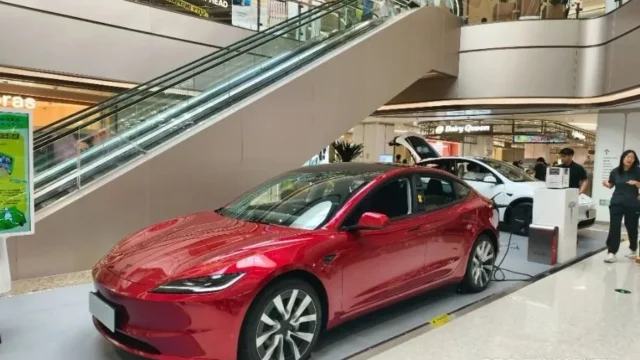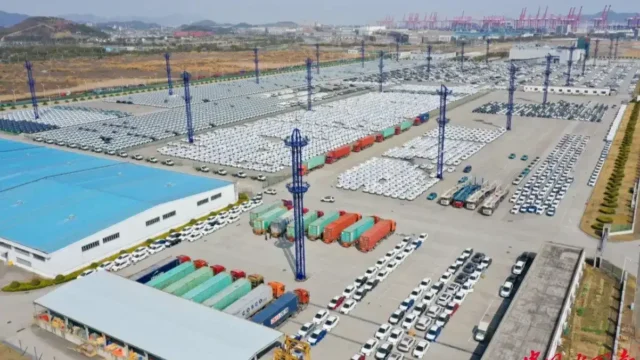
China’s used new energy vehicle (NEV) market is experiencing a structural reversal: resale values surged 30% year-over-year in the first four months of 2026, while transaction volumes climbed 29% to 547,900 units, according to data from the China Association of Automobile Manufacturers (CAAM) and the China Automobile Dealers Association. The shift upends years of narrative that used EVs are unsellable — and signals that the world’s largest NEV market is maturing from a one-way purchase into a genuine two-way automotive ecosystem.
Background
For years, China’s NEV market faced a used-vehicle crisis. Rapid technology iteration, steep new-car price cuts, and battery degradation fears pushed resale values into freefall. Many owners discovered their one-year-old EVs were worth 40–50% less than purchase price, creating a vicious cycle that deterred second-time buyers. The used NEV penetration rate stood at just 8.57% of the overall second-hand market in early 2026 — far below the 63% NEV penetration in China’s new-car market, per CAAM data reported by CleanTechnica.
That gap is now closing. Several structural forces have aligned to reverse the doom loop: new-car prices have stabilized after two years of brutal price wars, charging infrastructure has reached critical mass, and the real-world durability of modern batteries has been validated by millions of vehicles on the road.
Key Numbers and Details
| Metric | Jan–Apr 2026 |
|---|---|
| Used NEV transactions | 547,900 units |
| YoY volume growth | +29% |
| April single-month volume | 143,200 units |
| April YoY growth | +21.6% |
| Resale value growth (YoY) | +30% |
| Used NEV market penetration | 8.57% |
| New NEV market penetration | ~63% |
Brands showing the strongest resale recovery include BYD, NIO, and Denza, according to the Jingzengu residual value data referenced in the CAAM report. These are precisely the brands that have invested most heavily in battery technology, charging networks, and OTA (over-the-air) software updates that keep older vehicles relevant.
CCTV News and MyDrivers reported that supply-demand dynamics have shifted decisively: consumers are switching to NEVs faster than new-car sales feed into the used market, creating a supply shortage that supports prices. Used-car dealers are now actively acquiring NEV inventory — a stark contrast to two years ago when many refused to stock electric vehicles.
Industry Impact
The used NEV market’s recovery has cascading effects across the entire automotive value chain. Higher resale values reduce total cost of ownership for new NEV buyers, making electric vehicles more competitive against ICE cars on an economic basis — not just on technology or policy grounds. This is especially important as China’s NEV purchase tax exemption shifts to a 50% reduction from 2026, per the State Tax Administration, removing some of the financial incentive for new purchases.
The shift also undermines the argument that Chinese NEVs are disposable products with no second-life value — a narrative that has hampered export efforts in markets where consumers expect vehicles to hold value, as Chinese vehicles gain market share in Australia and other export destinations.
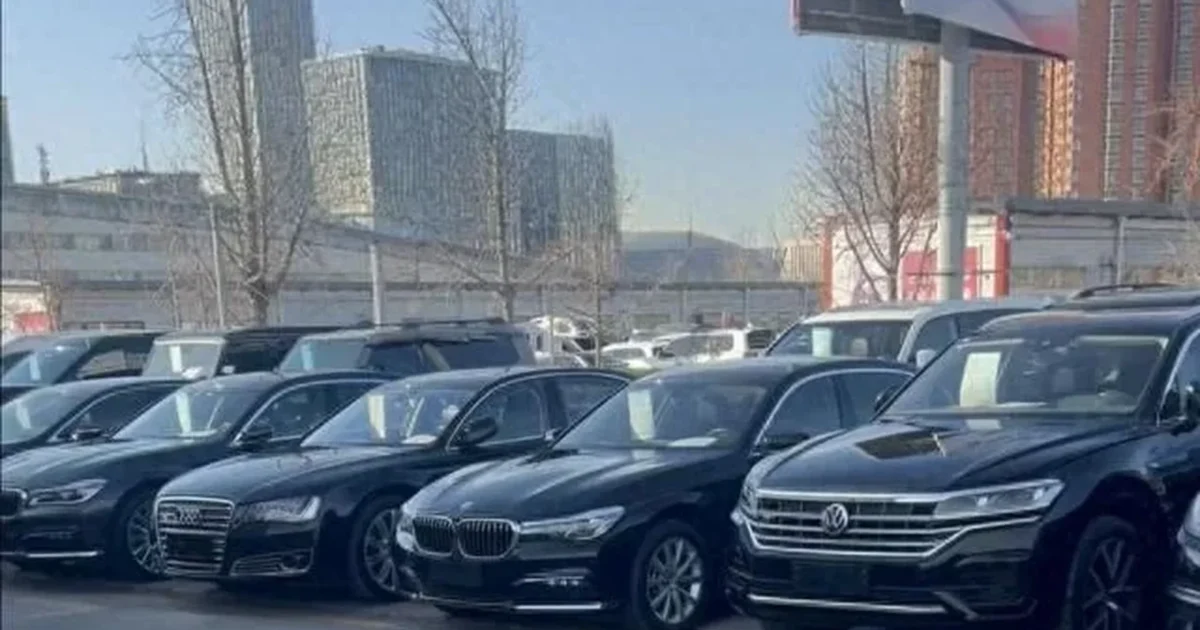
Perhaps most significantly, the ICE used-car market is collapsing. Sina Finance reported that some ICE models have seen prices drop 30% or more within months, with dealers describing used ICE vehicles as “unsellable” — a mirror image of the NEV resale crisis that dominated headlines in 2024 and 2025. The swing is accelerating the structural shift from petroleum to electricity, as BYD’s battery technology drives down charging times.
What’s Next
The used NEV market’s 8.57% penetration rate suggests enormous headroom for growth. As more NEVs from the 2022–2024 sales boom enter the secondary market — and as battery health certification standards mature — transaction volumes could double or triple within a few years. China’s experience offers a preview for other markets: as NEV penetration rises above 50% in new-car sales, used-NEV demand follows with a lag, creating a second wave of electrification driven not by policy but by pure economics.
Sources
- CleanTechnica, Chinese NEV Resale Value Surges 30%, Volume Up 29%
- China Association of Automobile Manufacturers (CAAM), Jan–Apr 2026 Used NEV Market Data Report
- China Automobile Dealers Association (CADA), 2026 Q1 Used Vehicle Residual Value Report
- Sina Finance, New energy used car transaction volume and retention rate both rise