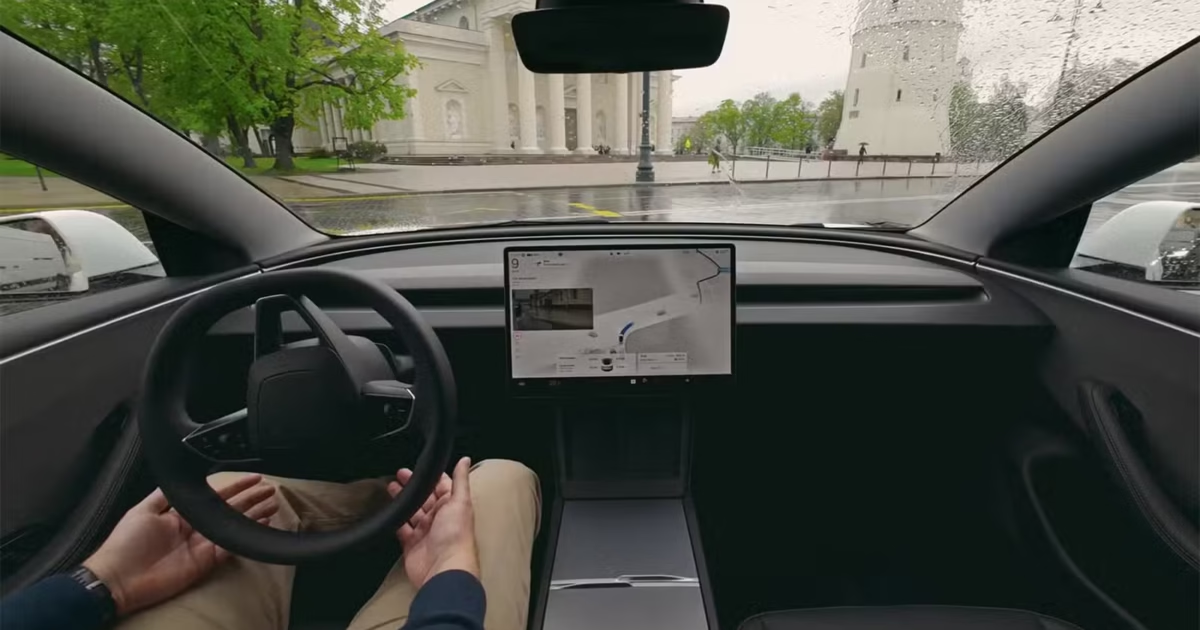
Tesla’s China self-driving story is finally moving from speculation to a real product rollout, but the launch of FSD Supervised is only the first step in what remains a data, mapping, and approval challenge.
China rollout timing and supervised-feature availability are based on CnEVPost coverage of Tesla’s FSD Supervised launch in China, with regulatory context cross-checked against sector reporting from CarNewsChina and TechNode.
Supervised Launch Is Not the Same as Full Approval
Tesla’s newest China step matters because it turns FSD from a forecast into a customer-facing feature, but the supervised label still signals that the system remains bounded by regulatory and operational limits rather than full open-ended autonomy.
Data and Mapping Still Shape the Ceiling
The harder part of the China rollout is not turning the feature on once. It is building the data, mapping, and localization stack that lets Tesla improve the system at scale inside a tightly regulated driving environment.
China Competition Will Judge the Rollout Quickly
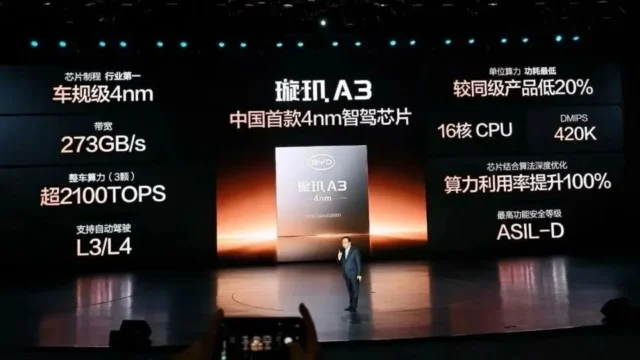
Tesla is entering a market where Huawei-backed systems, BYD’s assisted-driving push, and local brands already frame intelligent driving as a mass-market feature. That means Chinese consumers will judge FSD not by the brand alone, but by local usefulness and update speed.
Why It Matters Globally
Tesla’s supervised FSD rollout in China is a test case for how Western AI-driven automotive features navigate the world’s most tightly regulated intelligent driving market. China’s regulators require extensive data localization, no over-the-air updates without prior approval, and terminology that avoids implying full autonomy — conditions that fundamentally challenge Tesla’s Silicon Valley development philosophy. Whether Tesla adapts successfully will set the template for every other Western automaker hoping to deploy advanced driver-assistance features in China, the world’s largest car market. It also shapes the global standard for how governments classify, approve, and monitor partially automated driving systems.
Frequently Asked Questions
What is Tesla FSD Supervised and how does it differ from regular FSD?
FSD Supervised is Tesla’s city-streets driving feature that requires an attentive driver behind the wheel at all times — the driver must keep hands on the steering wheel and be ready to take over immediately. In China, the system has been further restricted and rebranded to “Tesla Assisted Driving” to align with Chinese regulations that do not recognize the term “self-driving” for consumer vehicles. The China version currently offers fewer features than the US version due to regulatory constraints and requires government approval for each update.
Why is Tesla renaming FSD in China?
Chinese regulators have been consistently uncomfortable with Tesla’s “Full Self-Driving” branding, which they view as potentially misleading to consumers and incompatible with China’s SAE Level 2 assisted-driving classification. Tesla has renamed the system multiple times in China, most recently to “Tesla Assisted Driving,” to signal compliance and build regulatory goodwill ahead of supervised FSD approval. The renaming is a strategic concession that may accelerate the approval timeline.
When will Tesla FSD be fully approved in China?
Tesla’s CFO has expressed hope for full regulatory approval by Q3 2026, but the timeline depends on accumulating a sufficient supervised driving data set, passing safety reviews, and satisfying data-localization requirements. Chinese authorities have not published a specific timeline. Industry observers note that Huawei ADS and Xpeng XNGP already offer city-level navigation in 200-400+ Chinese cities, so regulatory pressure to approve Tesla may grow if consumers perceive an unfair competitive gap.
Sources
- CnEVPost, Tesla says efforts underway to launch FSD in China as soon as possible
- CnEVPost, Tesla says FSD Supervised now available in countries including China
- CarNewsChina, Tesla officially confirms FSD (Supervised) support for China market
- TechNode, Tesla rolls out supervised Full Self-Driving in China in wider global push