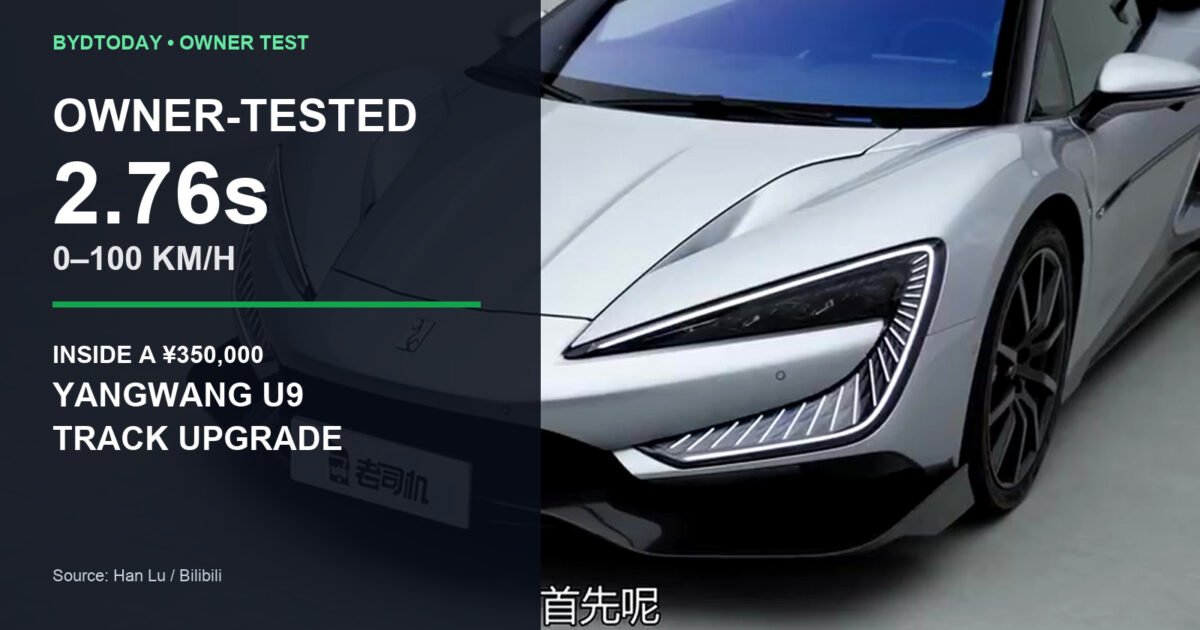
Quick Answer: Chinese automotive creator and Yangwang U9 owner Han Lu says a roughly US$51,500 (RMB 350,000) set of track-focused upgrades helped his car record a best 0-100 km/h run of 2.76 seconds on a closed road. His reaction was more memorable than the number: “It was fear, the kind of terror that makes you feel like you are going to die.” This was an owner-recorded test shown on Bilibili, not an independently certified record, and it should not be confused with Yangwang’s official 2.36-second claim for the standard U9.
The Quote That Explains the Yangwang U9 Better Than a Spec Sheet
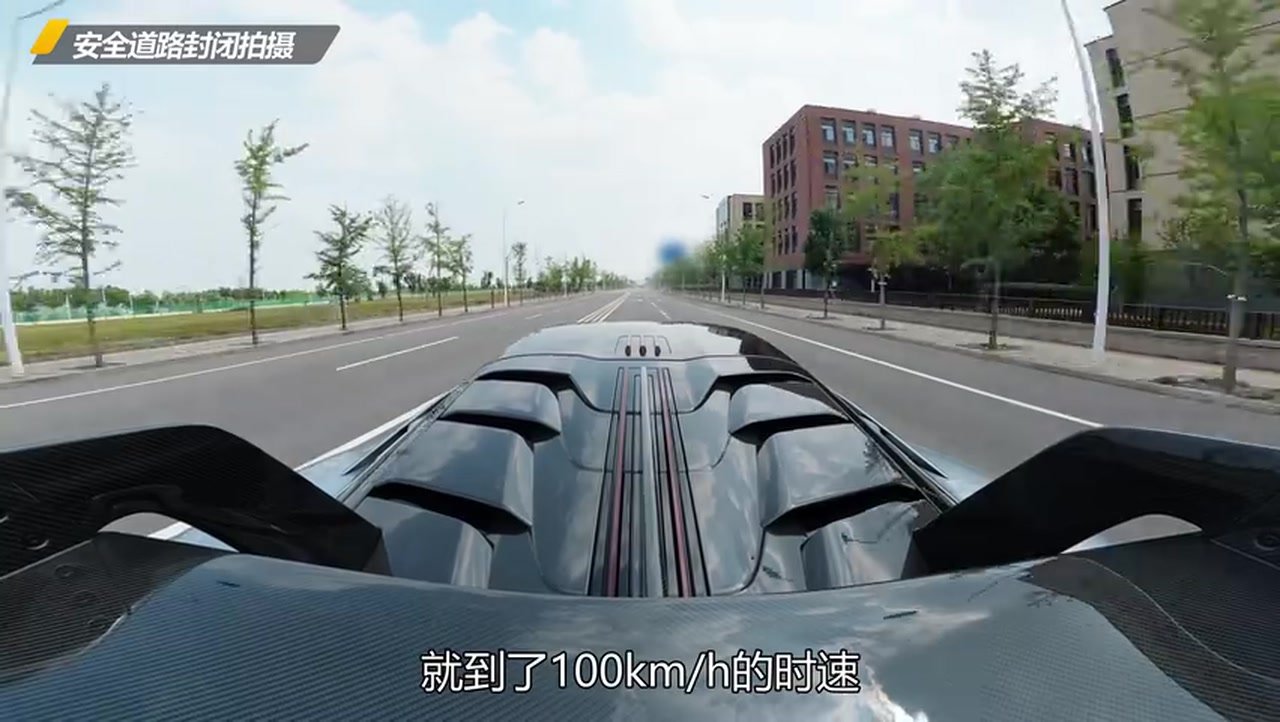
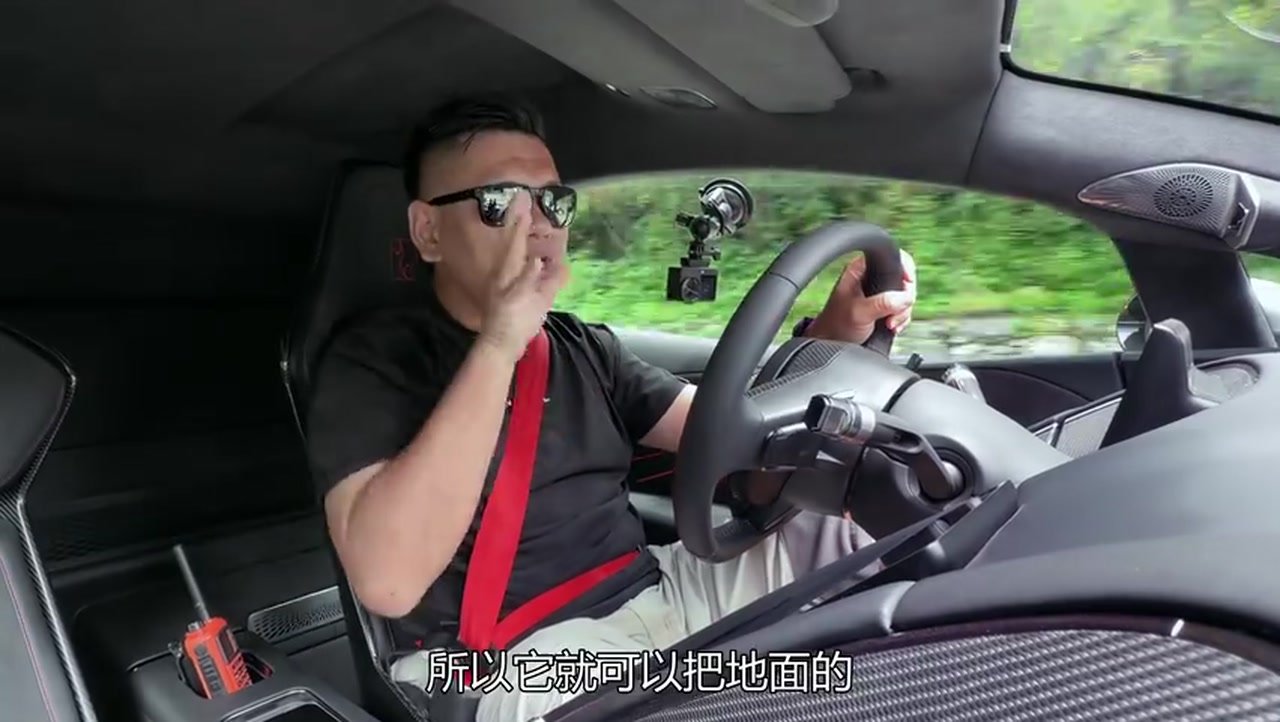
Supercar acceleration is normally sold as pleasure. Han Lu described something closer to sensory overload. After one launch, he said the car had reached 100 km/h before he could react. Even after stopping, he joked that his soul was still at the starting point and every hair on his body was standing up.
Then came the line that turns a technical upgrade video into a useful account of what four-motor electric performance actually feels like: this was not the enjoyable thrill of acceleration, he said, but fear – the kind that made him feel as if he might die.
That distinction matters. A 2.76-second result is not a new world record, nor even quicker than the U9’s official headline figure. But the video offers something a manufacturer number cannot: a long-term owner’s explanation of how the car behaves after a costly, track-oriented hardware upgrade.
What the US$51,500 Upgrade Actually Changed
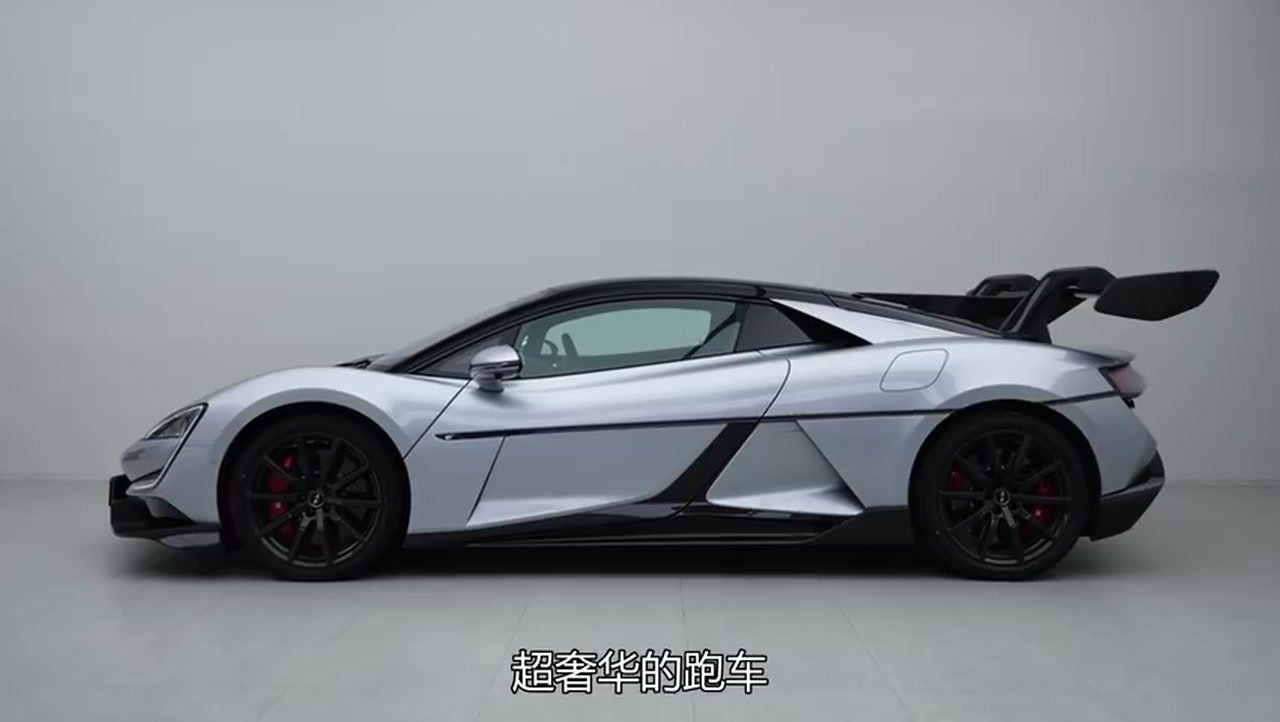
Han Lu introduces the work as approximately US$51,500 (RMB 350,000) in manufacturer-supplied track hardware. The video shows a revised front splitter, carbon-fiber wheels, track-oriented tires, brake consumables and carbon bucket seats. It also shows sapphire-finished controls and the U9’s dramatic rear aero.
There is an important accounting detail: the owner says the roughly US$14,700 (RMB 100,000) swan-neck rear wing was ordered when the car was originally configured. It was not included in the US$51,500 upgrade discussed in this video. Combining those two figures would overstate the cost of the later work.
| Hardware shown or discussed | What the owner says it changes | Evidence boundary |
|---|---|---|
| Front splitter | Adds several tens of kilograms of front downforce | Owner claim in the video; no independent aero test is shown |
| Carbon-fiber wheels | Reduces unsprung mass and supports harder acceleration and braking | Hardware is visible; performance effect is not isolated in an A/B test |
| GitiSport e.GTR 2 Pro tires | Provides the grip needed to deploy four-motor torque | Tire fitment is shown and discussed |
| Track brake fluid and pads | Improves resistance to repeated high-temperature braking | Owner cites supplier testing; the video is not an independent laboratory test |
| Carbon bucket seats | Hold the driver more firmly during hard use | Owner also calls them too aggressive for normal daily driving |
| Swan-neck rear wing | Additional rear aero | Approx. US$14,700 (RMB 100,000) original option, expressly separate from the later US$51,500 work |
The 2.76-Second Run Was Not a One-Off Number on a Blank Screen
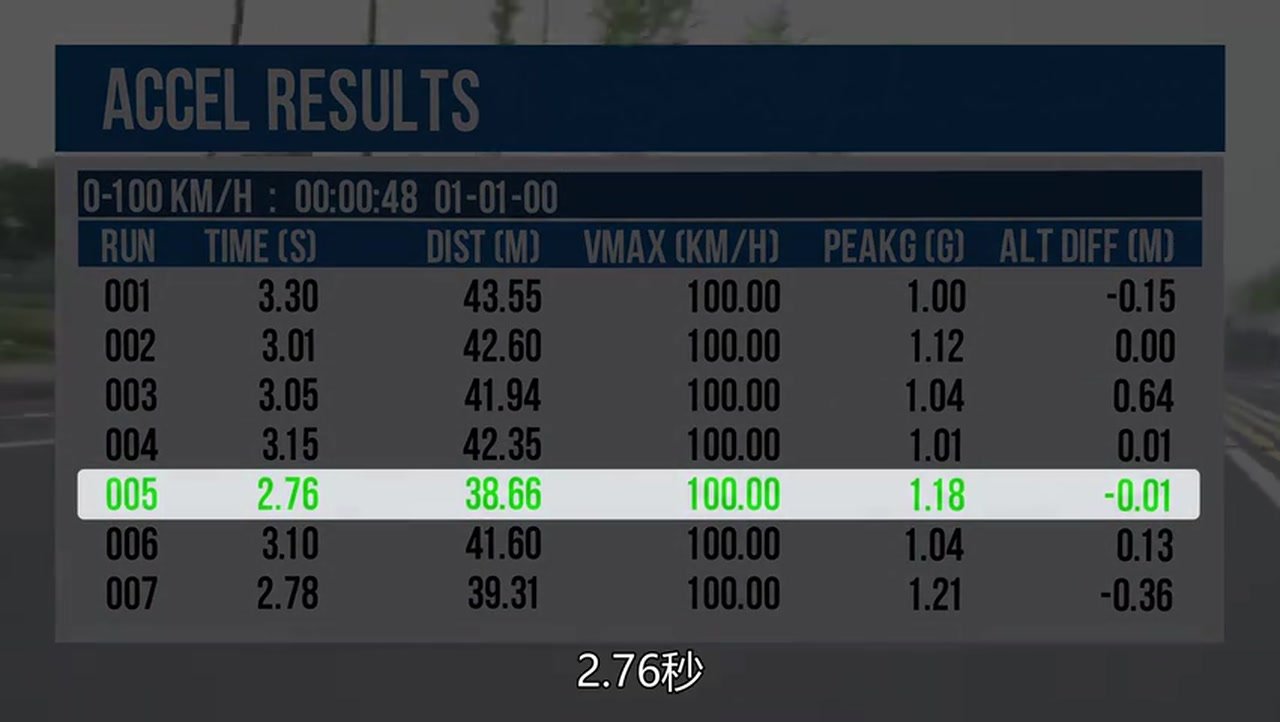
The video presents a seven-run acceleration table rather than showing only the best attempt. The recorded 0-100 km/h results were 3.30, 3.01, 3.05, 3.15, 2.76, 3.10 and 2.78 seconds. The two best runs were therefore close to one another, although the full spread also shows how much launch results can vary with surface, temperature, battery state, timing method and driver procedure.
| Run | 0-100 km/h | Distance | Peak acceleration shown |
|---|---|---|---|
| 001 | 3.30 s | 43.55 m | 1.00 g |
| 002 | 3.01 s | 42.60 m | 1.12 g |
| 003 | 3.05 s | 41.94 m | 1.04 g |
| 004 | 3.15 s | 42.35 m | 1.01 g |
| 005 | 2.76 s | 38.66 m | 1.18 g |
| 006 | 3.10 s | 41.60 m | 1.04 g |
| 007 | 2.78 s | 39.31 m | 1.21 g |
Why 2.76 Seconds Can Still Feel More Violent Than 2.36 Looks on Paper
Yangwang officially rates the standard U9 at 2.36 seconds from 0-100 km/h. That number and Han Lu’s 2.76-second result answer different questions. The official claim describes the vehicle’s quoted capability under the manufacturer’s test conditions. The Bilibili result documents what one owner achieved in a particular car, on a particular closed road, with an unspecified consumer timing setup.
The mechanical explanation starts with the U9’s four-motor e4 platform. Yangwang lists one 240 kW motor at each wheel, for 960 kW combined output, alongside 1,680 Nm of peak torque. Independent wheel control can continuously distribute torque to exploit available grip. The DiSus-X body-control system then manages pitch, roll and vertical motion.
Those systems do not make every launch identical. The seven displayed results vary by more than half a second. What they do explain is how a large electric supercar can repeatedly deliver acceleration strong enough to provoke a physical fear response from an experienced automotive presenter.
Track Hardware Meets a Car That Still Has to Work on the Street
The most revealing part of the video may be the owner’s mixed verdict on the carbon bucket seats. He praises their support during aggressive driving but says they are too extreme for daily use, even expressing interest in returning to the standard powered seats for normal driving.
By contrast, he demonstrates the U9’s softer side in comfort mode. The hydraulic DiSus-X suspension can settle into a more compliant setting, and he says the car is easier to use every day than the Lamborghinis and Ferraris he has experienced. That is a subjective owner comparison, not a controlled ride-quality test, but it points to the central engineering pitch: extreme performance without turning every road into a punishment.
The Brake Claims Need Careful Attribution
Han Lu says he visited the brake supplier and observed testing of the same system. According to his account, the setup completed 31 consecutive stops from 180 km/h to zero without overheating. He also cites a roughly 1,300 degrees Celsius material threshold and says the test temperature reached the 700-degree range.
Those are interesting durability claims, but they are not demonstrated as an independent test of this exact car on the road shown in the video. They should be read as the owner’s report of supplier testing. The on-screen temperature display appears to peak at approximately 798 degrees Celsius during the footage, but the context is not sufficient to turn that image into a universal brake-performance specification.
Is This the World’s Fastest Electric Car?
No such conclusion can be drawn from this video. Han Lu says the upgraded U9 is the quickest-accelerating car he has personally tested in 23 years in the automotive industry. That is a strong and relevant first-person claim, but it is not the same as a global record.
The separate Yangwang U9 Xtreme has its own official high-speed and track achievements, and those should not be transferred to this owner’s standard U9. Likewise, the 2.76-second owner result should not replace Yangwang’s official 2.36-second specification. The value of the video is not that it rewrites a leaderboard. It shows how violently fast a customer-owned Chinese electric supercar can feel after substantial track-oriented upgrades.
Verdict: The Feeling Is the Real Headline
The US$51,500 bill is attention-grabbing, and the 2.76-second run gives the story a clean number. But the strongest takeaway is the gap between performance marketing and human perception. On paper, the result is slower than the U9’s official claim. From the driver’s seat, it was still fast enough to replace exhilaration with fear.
That makes this more than another acceleration clip. It is a rare owner-level view of China’s highest-performance EV hardware: impressive, imperfect, expensive and occasionally too intense for the person who paid for it.
Frequently Asked Questions
Did this Yangwang U9 really run 0-100 km/h in 2.76 seconds?
The owner’s Bilibili video displays a best result of 2.76 seconds in a seven-run table. BYDToday treats it as an owner-recorded result, not an independently certified time.
Is 2.76 seconds quicker than Yangwang’s official U9 claim?
No. Yangwang quotes 2.36 seconds for the standard U9 under official test conditions. The two numbers use different conditions and evidence standards.
Did the track upgrade cost US$51,500?
The owner describes the later track-focused work as approximately US$51,500 (RMB 350,000). He separately says the roughly US$14,700 (RMB 100,000) swan-neck wing was ordered earlier and was not included in that amount. USD figures use an indicative 1 USD = RMB 6.80 conversion rate in July 2026.
Is the upgraded U9 the world’s fastest EV?
The video does not establish that. Han Lu calls it the quickest-accelerating car he has personally tested during 23 years in the industry.
Sources and Image Attribution
- Han Lu, Bilibili: “0-100 Tested at 2.76 Seconds: Upgrading My Yangwang U9”, published July 11, 2026. Key sections: upgrade cost at 00:39; separate rear-wing cost at 01:51; acceleration reaction and result at 03:04-03:46; personal fastest-car assessment at 04:39; brake discussion at 07:08.
- Yangwang official U9 product page for the e4 four-motor architecture, output, torque, DiSus-X and official acceleration specification.
- BYD Global: Yangwang U9 Xtreme, used only to distinguish the separate Xtreme variant from the owner’s car.
Image attribution: The featured image and video frames in this report were captured from Han Lu’s Bilibili video for editorial reporting. The original creator and timestamps are identified in every caption. Translation of the owner’s remarks is by BYDToday. All performance results attributed to the owner remain subject to the test conditions and measurement method used in the original video.