BYD YunNian (云辇, marketed globally as DiSus) is BYD’s intelligent body-control and suspension technology family. It now spans hydraulic systems such as DiSus-P, high-voltage active hydraulic systems such as DiSus-X, and electromagnetic linear-motor systems such as DiSus-Z. This guide explains how the major YunNian/DiSus variants differ, which BYD-related models use them, and why the phrase “active suspension” can mean different things in marketing and engineering.
Source note: This article is based on the Bilibili technical video 深坑爆论: 聊聊比亚迪云辇,还有吵得有点凶的主动悬架 shared via b23.tv/xAB57s8, cross-checked against BYD, Yangwang and Fang Cheng Bao official model pages where available.
Quick Answer: What Is BYD YunNian?
Short answer: BYD YunNian, known globally as DiSus, is a family of intelligent body-control systems that manage ride height, damping, wheel movement and body posture. The important distinction is not the name alone, but whether a system can generate real-time force output fast enough to react to road inputs.
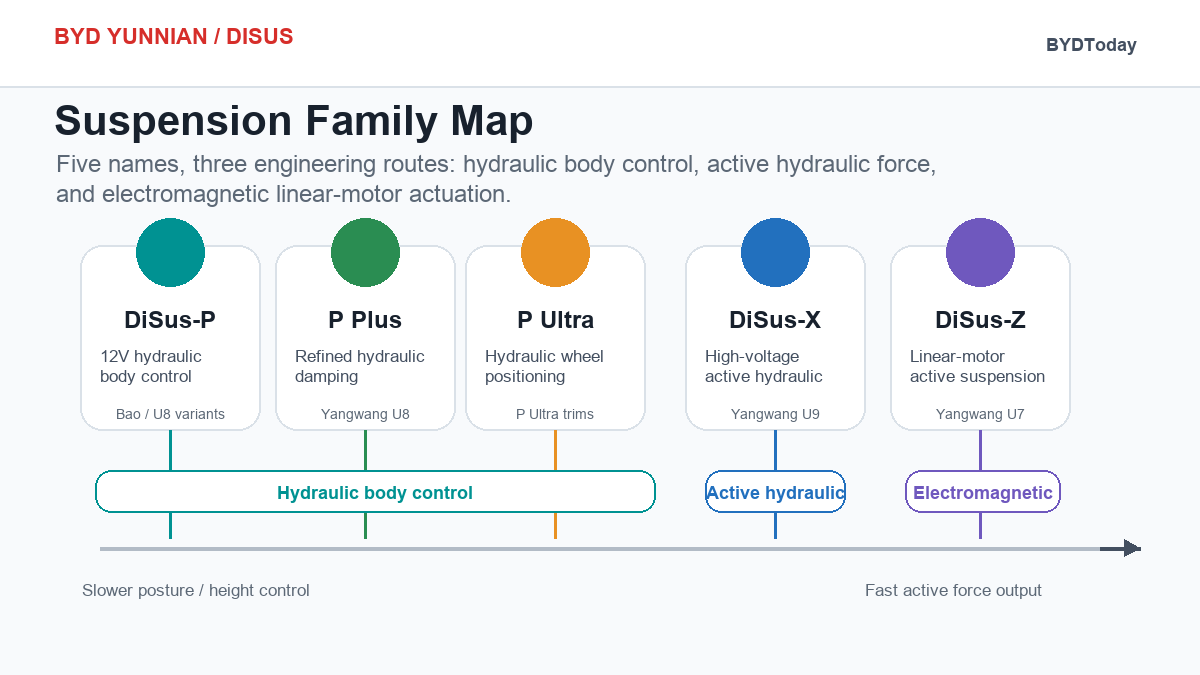
- DiSus-P — 12V hydraulic body-control system, originally associated with Fang Cheng Bao and Yangwang off-road models.
- DiSus-P Plus — a more refined hydraulic variant with bidirectional damping control, listed on newer Yangwang U8 configurations.
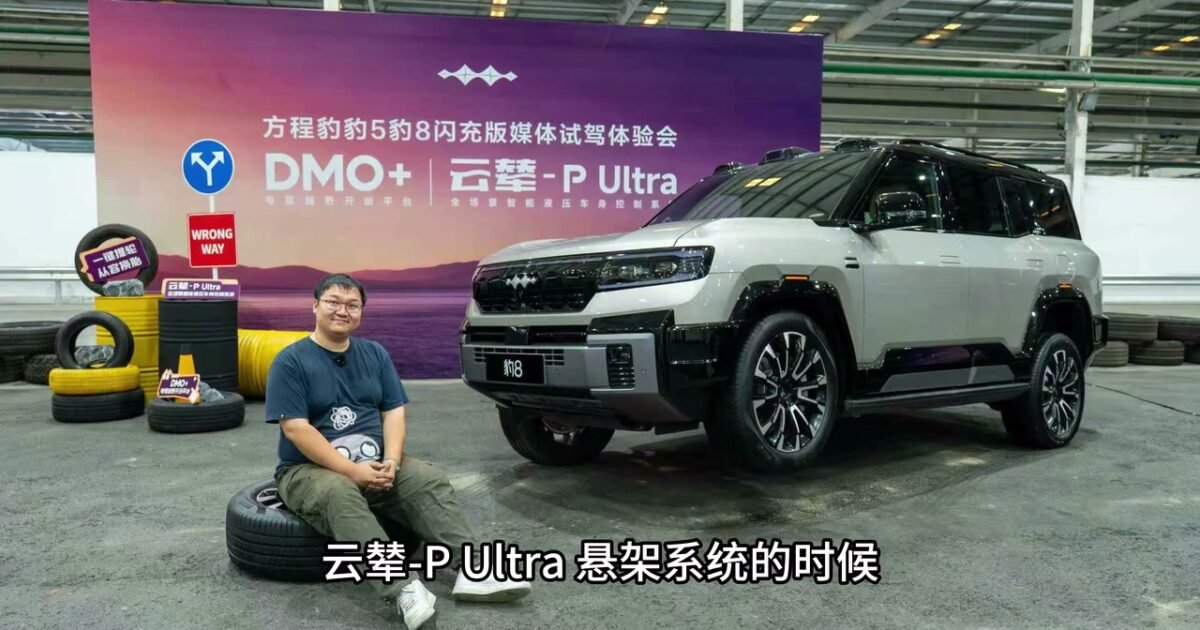
- DiSus-P Ultra — a more aggressive hydraulic variant that removes steel springs in some applications and supports active wheel lifting.
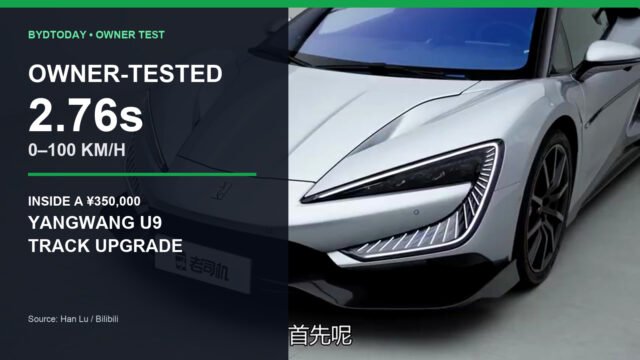
- DiSus-X — BYD’s high-voltage active hydraulic system used on the Yangwang U9 family.
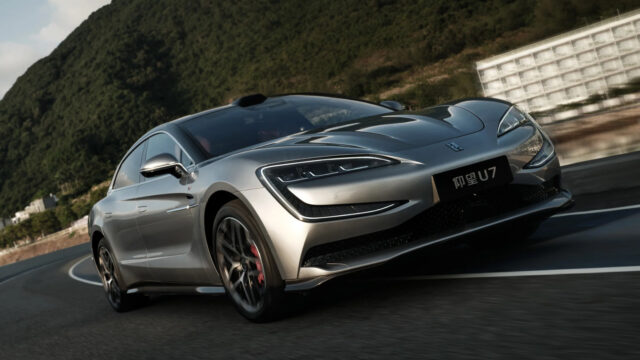
- DiSus-Z / ZA — BYD’s electromagnetic linear-motor suspension system used on the Yangwang U7.
Rule of thumb: DiSus-P variants can be extremely capable, especially for ride-height and off-road body control, but DiSus-X and DiSus-Z are the clearest examples of true active suspension because they can deliver millisecond-level force response.
1. DiSus-P Family: Three Generations of Hydraulic Suspension
All three DiSus-P variants share the same foundational idea: hydraulic pressure, accumulators, control valves and vehicle-body sensing are used to manage ride height and damping. The evolution from DiSus-P to P Plus and P Ultra is mainly about control range, damping sophistication and mechanical integration rather than a complete change in principle.
1.1 DiSus-P (Base) — The Foundation
The original DiSus-P architecture is deliberately conservative compared with high-voltage active systems:
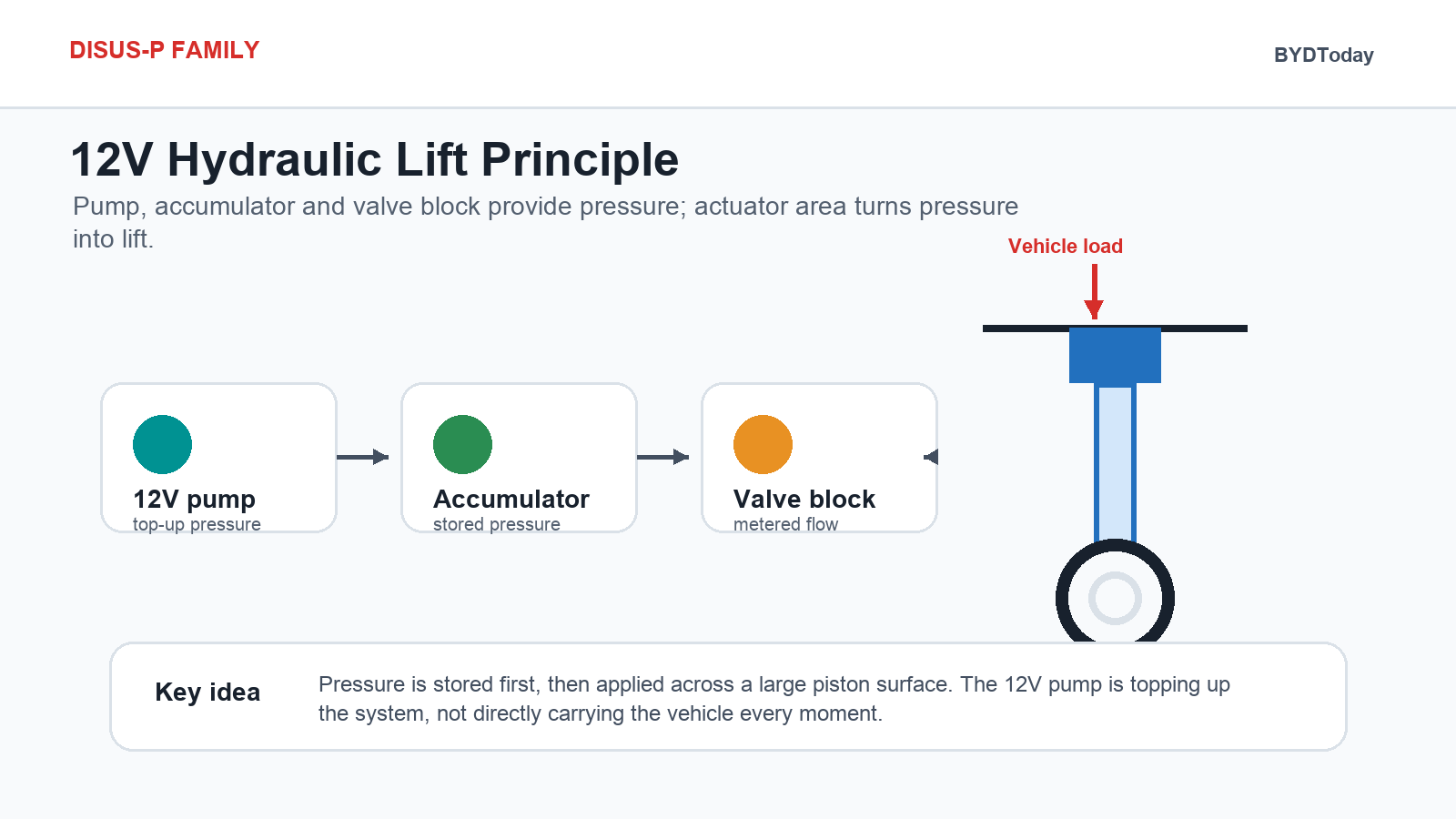
- A 12V hydraulic pump provides system energy.
- A semi-closed high-pressure circuit with pre-charged accumulators stores pressure.
- Distributed dampers and valves adjust suspension behavior.
- The hydraulic actuator can work alongside a coil spring, so the spring carries part of the vehicle weight and reduces the hydraulic load.
This design philosophy is pragmatic: meet ride-height, off-road and body-control requirements while keeping the system realistic for heavier production vehicles. That is why DiSus-P has appeared on off-road-focused BYD sub-brand models rather than only on ultra-low-volume concept cars.
How a 12V Pump Lifts an Entire Vehicle
This is the question that puzzles many readers. The answer is hydraulic leverage, not continuous electric power:
- The pump does not need to run continuously. It charges the accumulators, then idles.
- During normal driving, hydraulic pressure is maintained by the accumulators. The pump only activates when system pressure drops below a threshold.
- When ride-height adjustment is needed, the system opens valves to push hydraulic fluid into actuator cylinders, similar to a hydraulic jack.
- Thanks to Pascal’s principle, a small pressure increase can generate large lifting force when applied across a large piston area.
1.2 DiSus-P Plus — Dual-Valve Refinement
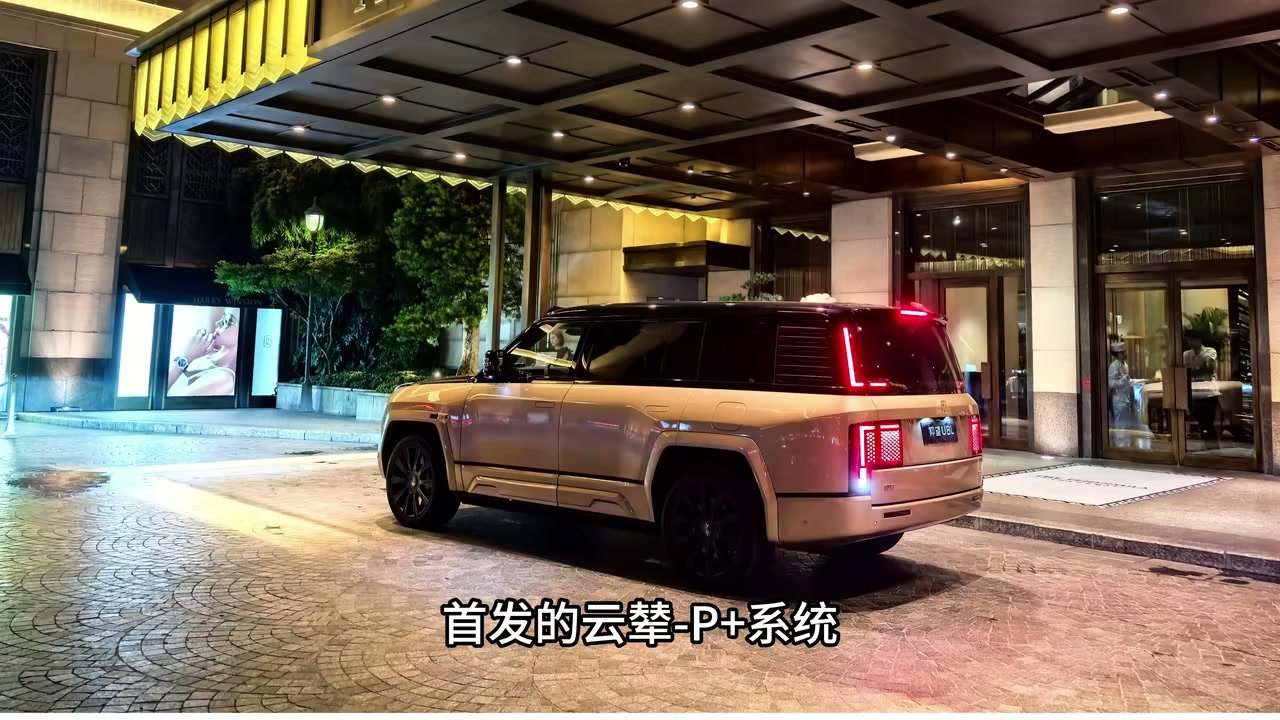
DiSus-P Plus does not overturn the basic architecture. Its key upgrade is more refined damping control, including independent control over compression and rebound in newer applications. In practical terms, that means the vehicle can better manage body posture over uneven road surfaces, during braking and acceleration, and in off-road articulation.
Less visible upgrades can matter just as much:
- Redesigned hydraulic lines and valve bodies for higher pressure tolerance.
- Wider pressure and valve adjustment ranges based on production tuning data.
- Improved road-spectrum adaptation, especially for heavier luxury SUVs.
1.3 DiSus-P Ultra — Steel Spring Removal and Active Wheel Lifting
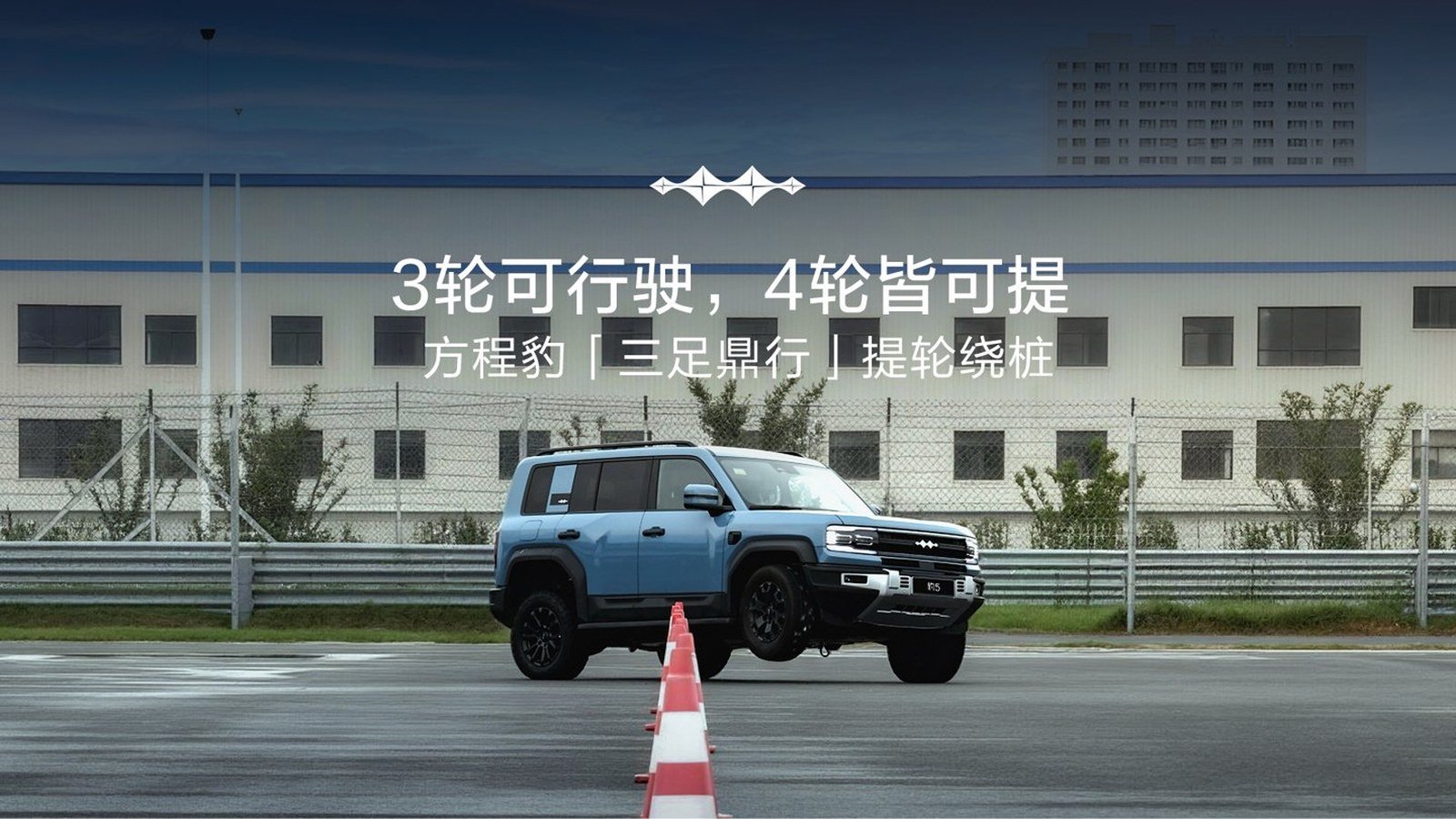
DiSus-P Ultra is the most aggressive DiSus-P evolution discussed in the video. The defining idea is that in some applications the traditional steel spring can be eliminated, leaving the hydraulic system to carry vehicle load and manage wheel position more directly. BYD-related official pages now show DiSus-P Ultra appearing in newer Fang Cheng Bao configurations; exact availability depends on model year, trim and market.
| Aspect | DiSus-P / P Plus | DiSus-P Ultra |
|---|---|---|
| Spring type | Coil spring + hydraulic assist in many applications | Hydraulic-only layout in the version discussed by the source video |
| Ride-height actuator | Single hydraulic chamber | Dual-chamber concept |
| Stiffness control | Partly constrained by the steel spring | Wider valve-controlled range |
| Travel limitation | Constrained by spring and packaging | Less spring-imposed limitation |
| Engineering challenge | Moderate | Higher sealing, piping and control demands |
The active wheel-lifting mechanism
The headline feature of DiSus-P Ultra is its ability to lift individual wheels. That sounds like active suspension, but mechanically it is better understood as controlled hydraulic positioning:
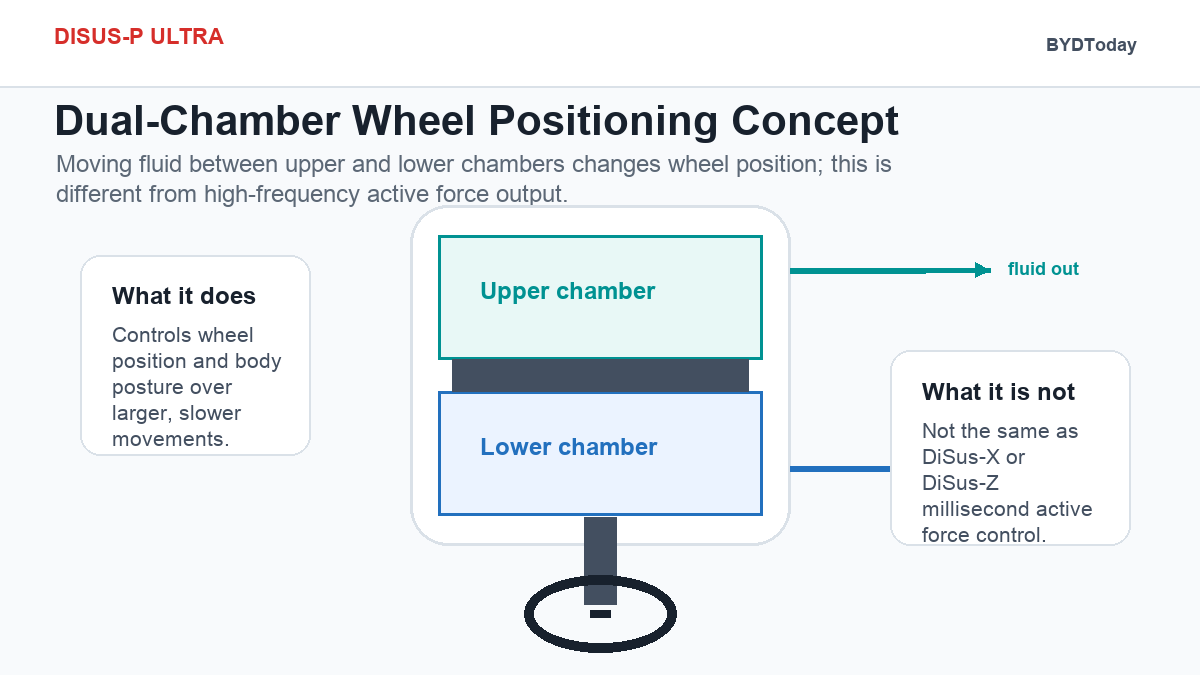
- The single hydraulic chamber in earlier DiSus-P variants is replaced by upper and lower chambers.
- Transferring hydraulic fluid between chambers controls the wheel’s vertical position.
- Increasing effective piston area reduces the pressure demand for heavy-vehicle lifting.
- The source video describes this as allowing a 12V pump architecture to handle extremely high static loads through hydraulic multiplication.
Why DiSus-P Ultra is still not true active suspension in the strict engineering sense
DiSus-P Ultra can move wheels, but the key limitation is hydraulic flow rate. A 12V pump architecture is excellent for height adjustment and posture control over slower events, but it is not designed to generate the instant force response needed to cancel high-speed road impacts in real time.
- It can transfer hydraulic fluid and adjust posture.
- It cannot retract a wheel fast enough to erase a pothole impact at speed in the way a true active system aims to do.
- It cannot continuously generate high-frequency vertical force output like DiSus-X or DiSus-Z.
In other words, DiSus-P Ultra may sit at the very top of passive or semi-active hydraulic body-control systems, but DiSus-X and DiSus-Z are the stronger examples of true active suspension.
2. DiSus-X: BYD’s True Active Hydraulic Suspension
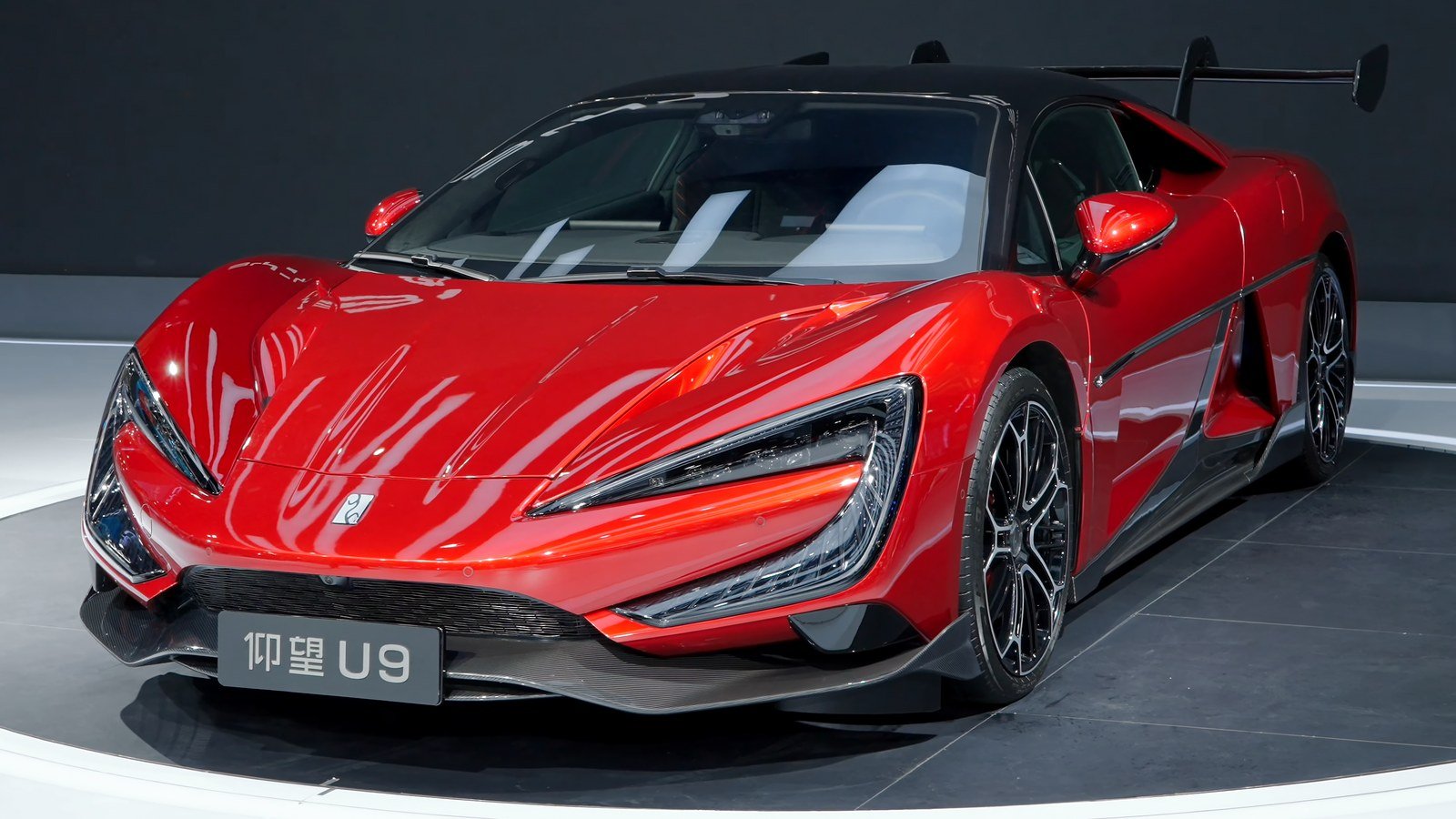
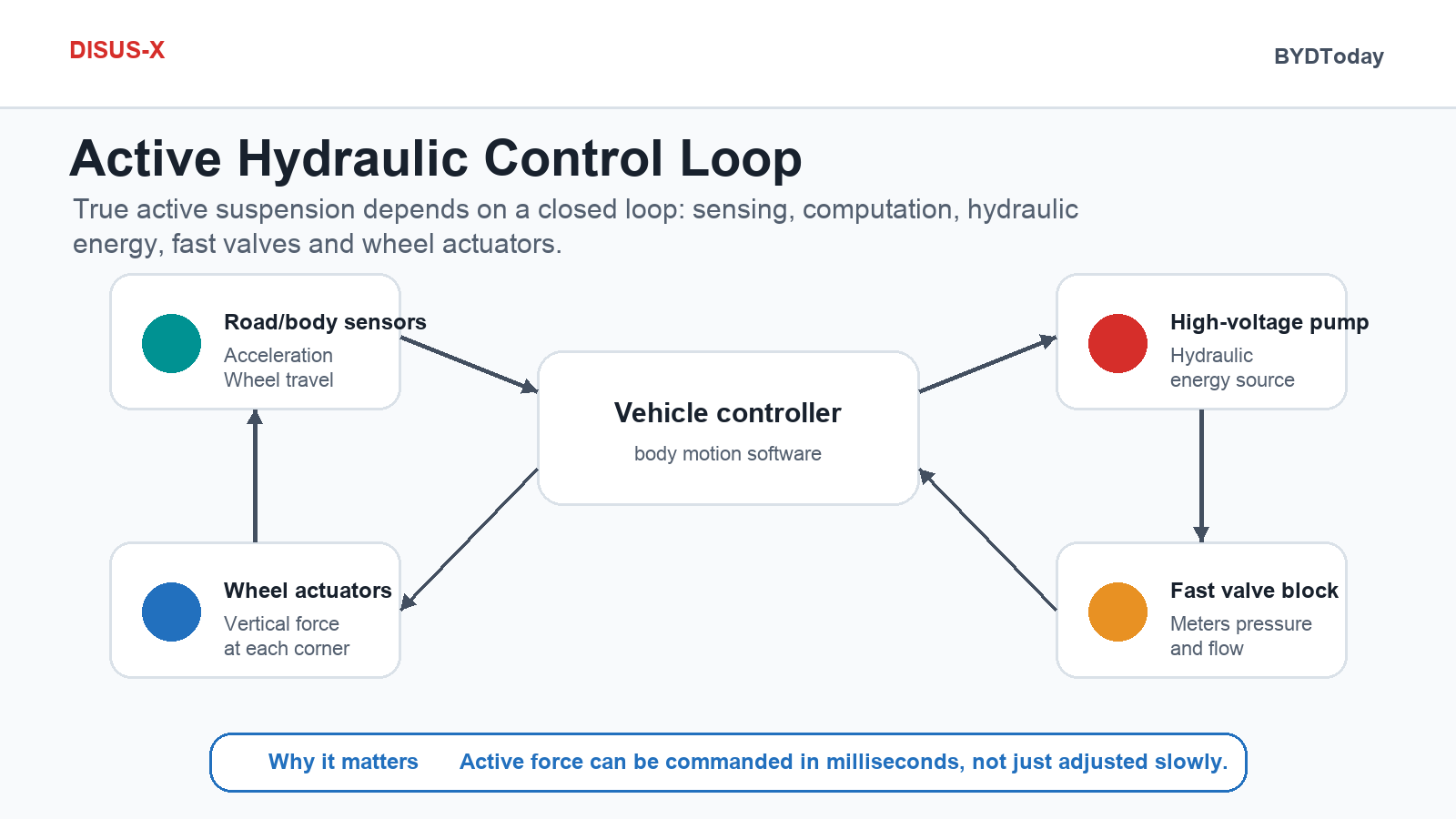
DiSus-X is what happens when BYD moves from a 12V hydraulic support architecture to a high-voltage, high-power active hydraulic setup. It is the system behind the Yangwang U9’s headline demonstrations, including the well-known jumping and three-wheel driving clips.
| Parameter | DiSus-P Ultra | DiSus-X |
|---|---|---|
| Power architecture | 12V hydraulic support | High-voltage hydraulic actuation |
| Primary strength | Height, posture and wheel-position control | Fast active force output |
| Response character | Slower hydraulic movement | Millisecond-level active response |
| Can make car jump? | No, not in the same active-force sense | Yes, as demonstrated by Yangwang U9 |
| Typical application | Heavy SUVs / off-road-focused vehicles | Performance cars such as Yangwang U9 |
| Engineering category | Advanced passive / semi-active hydraulic | Active hydraulic suspension |
The pump is not the whole story
A critical engineering insight from the video is that the high-voltage pump is only the energy source. The real precision comes from the rest of the control chain:
- Control valves that switch quickly and meter hydraulic flow precisely.
- Flow sensors that track hydraulic volume and velocity.
- Body and wheel sensors that provide real-time feedback.
- Vehicle-domain control software that coordinates suspension, torque and body motion.
That is why a simple argument like “high voltage is better” or “distributed low voltage is better” misses the point. Active suspension performance depends on the whole sensing, control and actuation loop.
3. DiSus-Z / ZA: BYD’s Linear-Motor Suspension
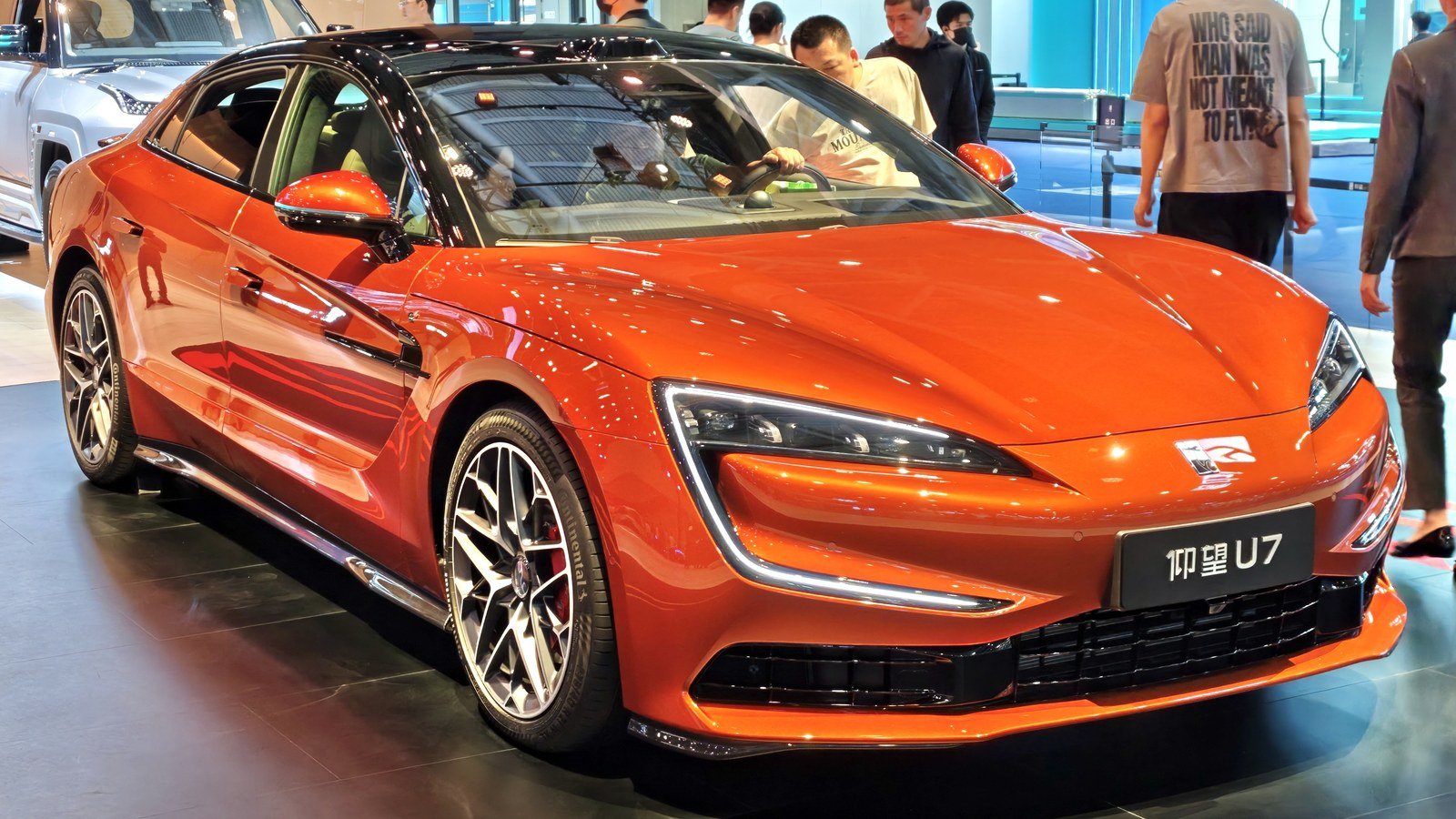
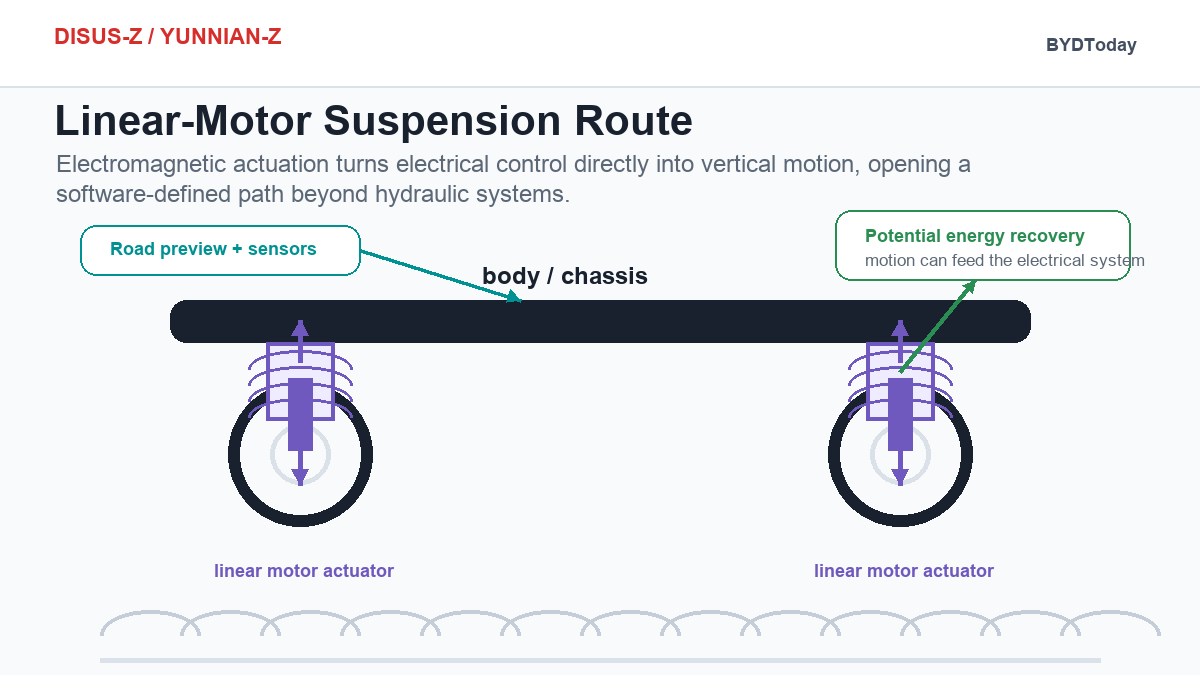
Perhaps BYD’s most surprising suspension development is DiSus-Z. On the Yangwang U7, BYD describes YunNian-Z as a key comfort technology. The system uses electromagnetic linear-motor actuation rather than relying only on hydraulic or pneumatic force.
Key facts about DiSus-Z:
- Architecture: It uses electromagnetic force and linear-motor actuation to control vertical body movement.
- Model fitment: Yangwang’s official U7 page positions YunNian-Z as one of the sedan’s core technologies.
- Potential: Because actuation is electrical-to-mechanical, future improvements can come heavily from control software, prediction and energy-management strategy.
- Why it matters: It gives BYD a technical route that is different from both air suspension and hydraulic active suspension.
4. The Active Suspension Debate: Engineering vs. Marketing
The video’s second major topic addresses a heated debate in Chinese automotive media: which active suspension architecture is “superior.” The useful takeaway is that architecture labels alone do not settle the issue.
Claim #1: “High-voltage pumps cannot control flow as precisely as low-voltage systems”
Reality: Pump voltage alone does not determine control precision. Precision comes from valves, flow measurement, sensors, control frequency, software and calibration. A pump is primarily an energy source; it does not by itself define the quality of suspension control.
Claim #2: “Centralized pump + long plumbing always means slow response”
Reality: Packaging and plumbing matter, but centralized systems are not automatically slow. Industrial and aerospace hydraulic systems have long shown that remote actuators can be controlled with high precision when the control loop, valve design and pressure system are engineered properly.
The real advantages of low-voltage distributed systems are often practical rather than absolute-performance related:
- They can be easier to package on legacy vehicle platforms.
- They may have lower integration cost.
- They can be more convenient for vehicles without high-voltage electrical architecture.
No One Has Won the Architecture War
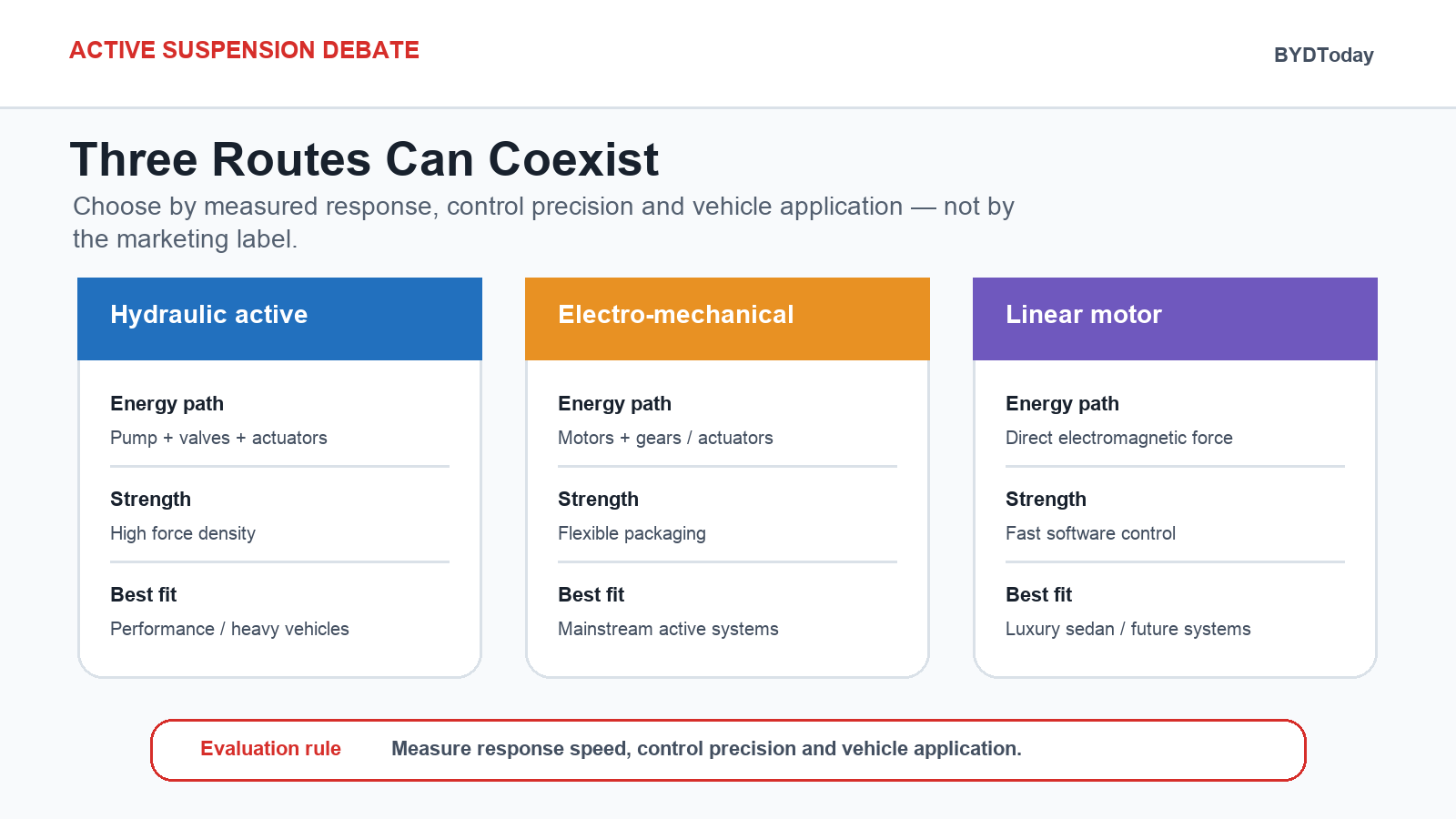
No automaker can yet claim that one active-suspension architecture is the permanent winner. Hydraulic actuation, electro-mechanical actuation and linear-motor systems can all coexist because they serve different vehicle classes, cost targets and performance goals.
For buyers and industry watchers, the better question is not “which architecture sounds best?” The better question is: what can this exact system do on this exact vehicle, and how quickly can it generate controlled vertical force?
5. Complete System Comparison
| System | Engineering Type | Main Actuation Source | Key Feature | Known / Discussed Models | Best Use Case |
|---|---|---|---|---|---|
| DiSus-P | Hydraulic body control | 12V pump + accumulator | Ride-height and damping control | Fang Cheng Bao / Yangwang off-road applications | Heavy SUV posture control |
| DiSus-P Plus | Enhanced hydraulic body control | 12V pump + refined valves | Bidirectional damping control | Yangwang U8 configurations | Luxury SUV ride and off-road refinement |
| DiSus-P Ultra | Advanced hydraulic body control | 12V hydraulic architecture | Steel-spring removal in some versions, active wheel lifting | Newer Fang Cheng Bao / Yangwang high-trim applications | Extreme off-road body positioning |
| DiSus-X | Active hydraulic suspension | High-voltage hydraulic actuation | Millisecond force response, jumping demonstration | Yangwang U9 family | Supercar body control and showpiece capability |
| DiSus-Z / ZA | Active electromagnetic suspension | Linear motor | Direct electromagnetic vertical control | Yangwang U7 | Luxury sedan comfort and software-defined control |
Frequently Asked Questions
Is YunNian the same as DiSus?
Yes. YunNian is the Chinese name (云辇), while DiSus is the global English branding BYD uses for its intelligent body-control and suspension technology family.
Is DiSus-P Ultra an active suspension?
In a strict engineering sense, DiSus-P Ultra is better described as an advanced hydraulic body-control system rather than a true active suspension. It can lift wheels and control posture, but its 12V hydraulic architecture is not designed for the same high-frequency force output as DiSus-X or DiSus-Z.
How does a 12V pump lift a heavy vehicle?
Through hydraulic accumulators and Pascal’s principle. The pump builds and tops up pressure, while the actuator piston area multiplies that pressure into large lifting force. The pump is not directly carrying the vehicle every moment.
Which BYD model has the most advanced suspension?
For active hydraulic performance, the Yangwang U9 family with DiSus-X is the showcase. For electromagnetic suspension innovation, the Yangwang U7 with DiSus-Z is the key model. For off-road body positioning, DiSus-P Plus and DiSus-P Ultra applications are the most relevant.
Can DiSus-X be used on regular cars?
Technically yes, but cost, packaging and voltage architecture matter. BYD could adapt parts of the DiSus-X concept to broader vehicles, but the current showcase application is the Yangwang U9 family.
What makes DiSus-Z unique?
DiSus-Z uses electromagnetic linear-motor actuation to control vertical body movement. That gives BYD a different technical route from hydraulic or air-suspension systems and leaves significant room for software-driven improvement.
Sources
- Bilibili — 深坑爆论: “聊聊比亚迪云辇,还有吵得有点凶的主动悬架” — Watch on Bilibili. Shared source link: b23.tv/xAB57s8.
- BYD official DiSus launch release — BYD Reveals DiSus Intelligent Body Control System.
- Yangwang official U7 page — Yangwang U7 / YunNian-Z product page.
- Yangwang official U8 configuration page — Yangwang U8 configuration details.
- Yangwang official U9 configuration page — Yangwang U9 configuration details.
- Fang Cheng Bao official Bao 5 configuration page — Bao 5 configuration details.
- Sina / IT Home — Fang Cheng Bao Bao 8 / Bao 5 YunNian-P Ultra three-wheel driving report: Sina Tech.
- Wikimedia Commons — Yangwang U9 photo by iMoD Official, CC BY 3.0: Wikimedia Commons.
- Wikimedia Commons — Yangwang U7 photo by User 3204, CC BY-SA 4.0: Wikimedia Commons.