Why It Matters Globally
Tesla’s application to deploy up to 5,000 Robotaxis in the Las Vegas area marks its most ambitious autonomous driving expansion yet. With Waymo already running 1,500 vehicles and 500,000 weekly paid rides, the Robotaxi race is shifting from technology demonstrations to scale — and the winner may define urban mobility for the next decade.
Nevada Application: 5,000 Vehicles in 12 Months
Tesla has filed an autonomous vehicle network operator permit application (Case No. 26-05015) with Nevada state regulators through its subsidiary Tesla Robotaxi, LLC. If approved, the company plans to deploy up to 5,000 autonomous ride-hailing vehicles in Clark County within the first 12 months of operation, covering Las Vegas, Henderson Airport, and surrounding high-traffic areas, according to Sina Finance citing IT Home.
The filing follows Tesla’s September 2025 test permit from the Nevada DMV and the construction of an operations center in Las Vegas. The city was already on Tesla’s H1 2026 Robotaxi launch list alongside Phoenix, Miami, Orlando, and Tampa.
Austin Goes Driverless: 20 Cars, Whole Metro
On June 4, Tesla expanded its unsupervised Robotaxi service to the entire Austin metropolitan area, as reported by QQ News (Chedongxi). The timeline:
- June 2025: Pilot launch with safety monitors
- January 2026: Public unsupervised rides begin
- April 2026: Expansion to Dallas and Houston (driverless from day one)
- June 2026: Full Austin metro coverage
But scale remains the bottleneck. Texas DMV records show only 42 registered Robotaxi vehicles, and tracker data indicates just 20 are in unsupervised operation — far below the 500 originally planned for Austin by end of 2025. Wait times can exceed 30 minutes.
Cybercab on the Way
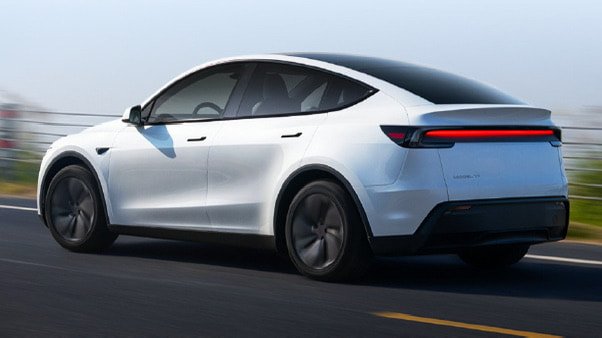
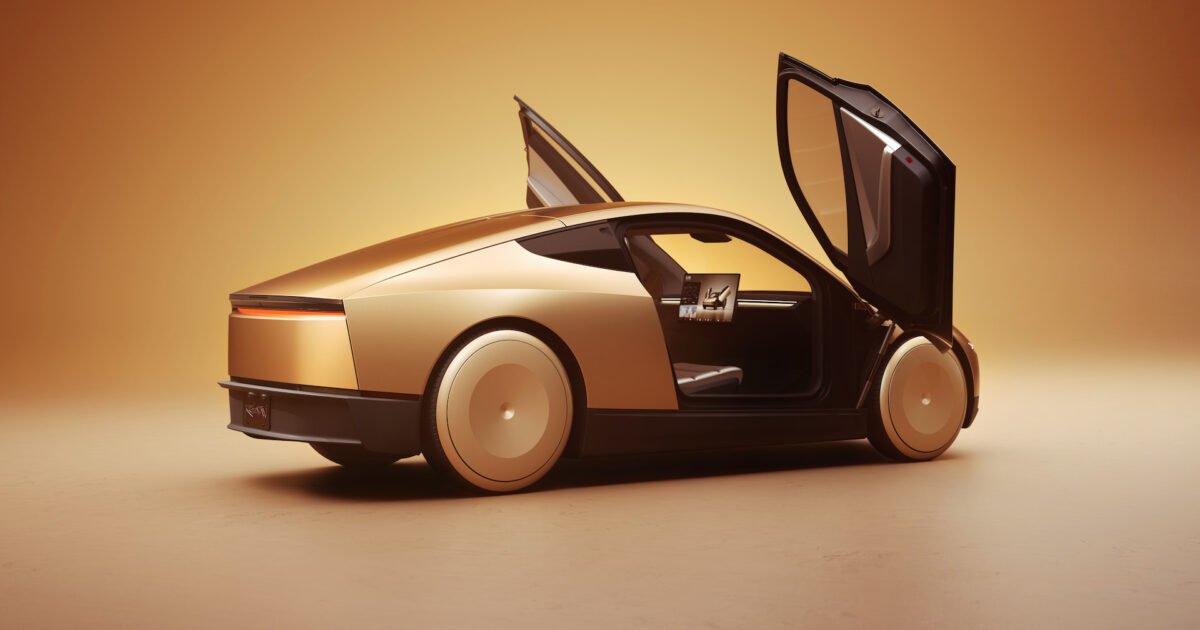
The purpose-built Cybercab entered production at Tesla’s Texas Gigafactory in April 2026 and is expected to gradually replace the Model Y as the primary Robotaxi platform, significantly reducing per-ride costs. CEO Elon Musk has said Tesla will expand the fleet aggressively once FSD v15 achieves safety “far beyond human level.”
Waymo vs. Tesla: The Numbers
The competitive gap remains substantial. Waymo, the Alphabet subsidiary, has:
- Over 170 million autonomous miles logged
- A fleet exceeding 1,500 vehicles
- More than 500,000 paid rides per week
- Commercial operations in multiple U.S. cities
Barclays estimates Tesla’s current active Robotaxi fleet at 30–50 vehicles, though only a portion are operating simultaneously. About 80–90% of trips are now unsupervised — up significantly from mid-April — but most remain concentrated in Austin, with single-digit counts in Houston and Dallas.
FAQ
When will Las Vegas get Tesla Robotaxis?
Pending regulatory approval, likely in the second half of 2026 or early 2027.
Is Tesla’s Robotaxi safe?
Tesla reports zero accidents or injuries in its Texas operations so far. The company emphasizes a phased rollout with safety as the top priority.
How does Tesla’s approach differ from Waymo?
Tesla uses a camera-only (pure vision) system without LiDAR, while Waymo relies on LiDAR, radar, and cameras. Tesla’s approach is cheaper at scale but has a smaller operational fleet today.