Tesla Model S/X Retires: Fremont Line Becomes Robot Factory
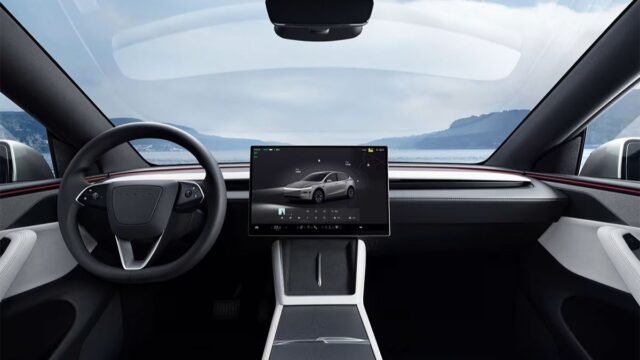
Tesla’s last Model S and Model X rolled off the Fremont line on May 21, 2026, as the 14-year production run ended to make way for a humanoid-robot assembly line targeting 1 million units annually — marking the automaker’s biggest strategic pivot since the original Roadster.
Background: The End of an Era
The Model S, launched in 2012, and the Model X, launched in 2015, were the vehicles that proved electric cars could be desirable, fast, and profitable. They established the template — over-the-air updates, large touchscreens, Autopilot — that every subsequent smart EV has followed. Tesla Vice President Tao Lin called them “the cornerstone of Tesla” and “works made with love” as she marked their final production on May 21, 2026.
Their retirement was inevitable. Combined S/X sales had fallen below 50,000 units annually, a rounding error against the 1.8 million Model 3/Y volumes. The Fremont plant, built for low-volume luxury production, was the least efficient in Tesla’s network. Converting it to a new purpose was the logical move.
The Transition: From Cars to Robots
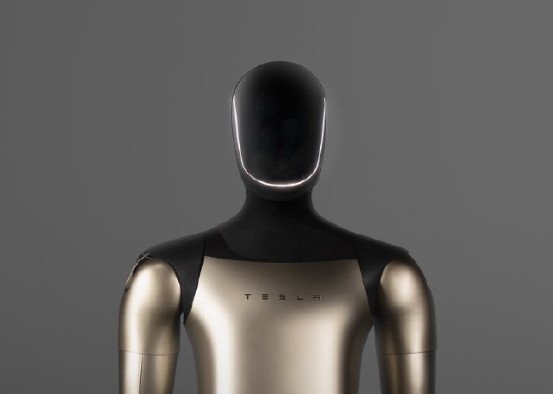
Over the next four months, the former S/X line will be dismantled and rebuilt as a dedicated production line for Tesla’s Optimus humanoid robot, with a planned annual capacity of 1 million units. A second, even larger robot production line at the Texas Gigafactory targets 10 million units annually. Musk has described humanoid robots as potentially larger than the vehicle business, with global long-term demand possibly reaching 10 billion units.
The technical logic is sound: Optimus shares core technologies with Tesla vehicles — battery cells, electric motors, power electronics, and neural-network inference chips. The FSD computer that processes vision data for Autopilot also serves as Optimus’s brain. Tesla’s vertical integration gives it cost advantages that pure-play robotics companies like Figure AI and Agility Robotics cannot replicate at scale.
Industry Impact: What It Means for EVs
The S/X retirement has no direct impact on Tesla’s vehicle output — the Shanghai, Berlin, and Texas factories more than compensate. But it signals that Tesla sees its future as broader than cars. If Optimus production ramps successfully, Tesla’s revenue mix could shift meaningfully within five years, reducing its dependence on automotive cyclicality.
For the broader EV industry, the message is subtler: the company that created the modern EV market is already planning for the post-car era. Competitors like BYD and Xiaomi are also investing heavily in robotics and AI, but none has committed production capacity at this scale. Per 快科技 (KKJ), the Fremont conversion represents the largest single investment in humanoid-robot manufacturing capacity anywhere in the world.