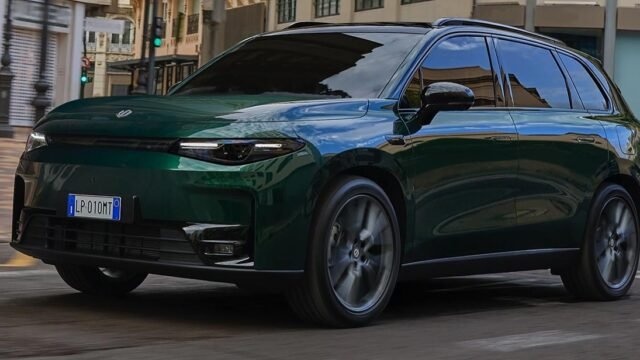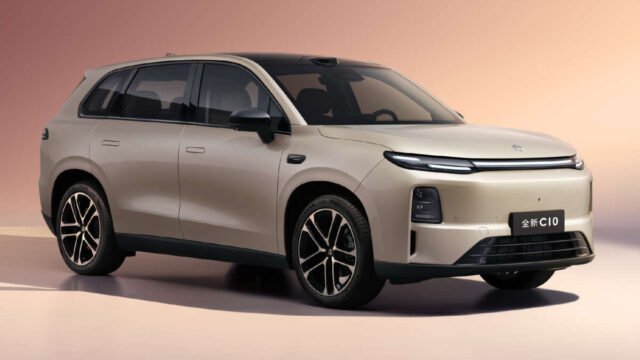
In a dramatic role reversal, a Chinese automaker will manufacture its vehicles in Europe using Stellantis plants that once exported cars to China
The Europe JV context is based on CnEVPost coverage of the Stellantis-Dongfeng Voyah plan, with CarNewsChina and Electrive used for cross-checks.
From Importer to Manufacturer
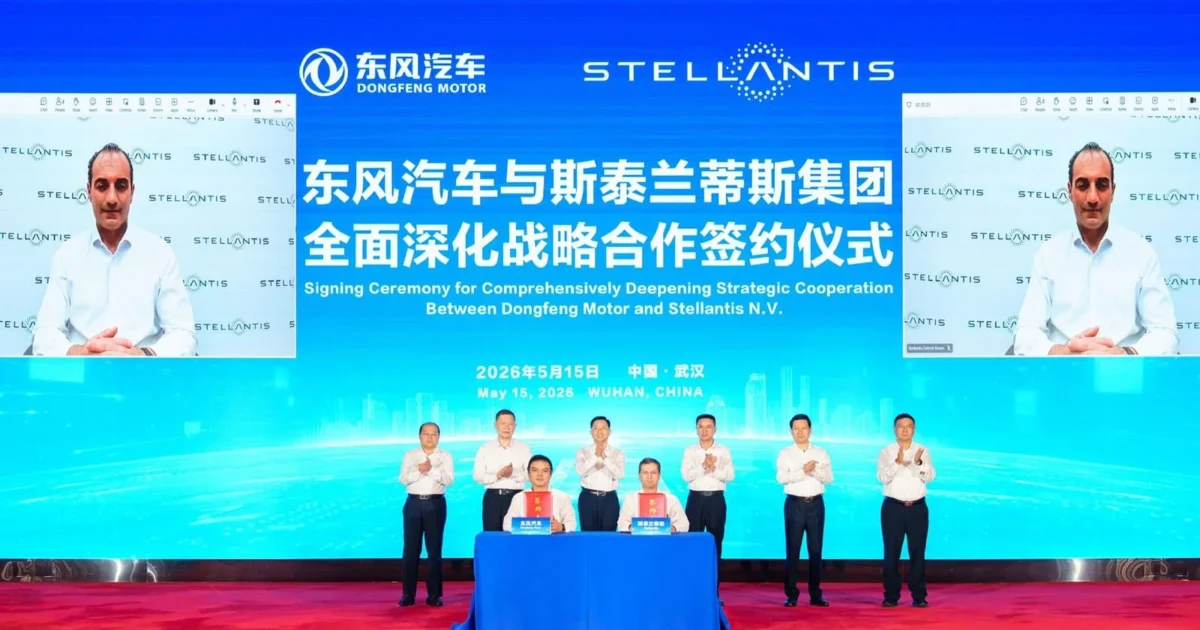
On May 20, Stellantis Group and Dongfeng Motor Corporation signed a non-binding memorandum of understanding that could reshape the European automotive landscape. The two companies — partners for 34 years through the now-struggling Dongfeng Peugeot Citroën (神龙) joint venture in China — announced plans to establish a new joint venture headquartered in Europe, with Stellantis holding 51% and Dongfeng 49%.
The proposed venture will handle sales, distribution, manufacturing, procurement, and engineering for Dongfeng’s new energy vehicles across designated European markets. Most notably, Voyah — Dongfeng’s premium EV brand — will be sold and distributed in Europe through the Stellantis network, and some Dongfeng NEV models will be manufactured at Stellantis plants in France. The irony is striking: the same factories that once produced Peugeots and Citroëns for the Chinese market could soon be building Chinese-designed electric vehicles for European consumers.
Stellantis Pivots Toward Chinese Manufacturing
For Stellantis, the deal represents a pragmatic response to the existential challenge facing European automakers. With several of its European plants operating well below capacity due to declining demand for internal combustion vehicles, partnering with Dongfeng offers a way to utilize idle manufacturing assets while gaining access to competitively priced Chinese EV technology. Stellantis has been among the most vocal advocates for partnerships with Chinese automakers, with CEO Carlos Tavares warning that “protectionism is not a strategy” and that European automakers must find ways to collaborate with Chinese companies rather than trying to keep them out.
The Dongfeng deal follows Stellantis’s earlier announcement that it was pitching four European factories to Chinese automakers seeking local production bases. The company’s embrace of Chinese partnerships contrasts sharply with the more protectionist stance taken by some European policymakers, who have pushed for tariff barriers to shield domestic manufacturers from Chinese competition.
Voyah’s European Ambitions
For Dongfeng, the Stellantis partnership provides a shortcut to the European market that would be difficult to achieve independently. Voyah, which currently sells the Free, Dream, and Passion models in China and select overseas markets, has struggled to build brand recognition outside its home country. Access to Stellantis’s established dealer network and service infrastructure could dramatically accelerate Voyah’s European expansion.
The partnership model — where a Chinese automaker leverages a European partner’s manufacturing capacity, distribution network, and brand relationships — could become a template for other Chinese companies seeking to enter the European market. BYD is building its own factory in Hungary, but not every Chinese automaker has the resources to pursue a standalone European manufacturing strategy. Partnerships with legacy European automakers like Stellantis offer an alternative path that reduces both capital investment and political risk.