Why It Matters Globally
BYD’s move to start local production in Hungary marks the first time a Chinese EV giant will assemble cars inside the European Union, giving it a critical tariff shield as the bloc slaps up to 45% duties on China-built electrics. The decision to pause a $1 billion Turkey plant and actively scout for a second European site signals an aggressive localization strategy that could reshape the continent’s auto industry.
Hungary Factory: Q4 Assembly Start
BYD will begin vehicle assembly at its Szeged plant in southern Hungary in the fourth quarter of 2026, executive vice president Stella Li told Reuters on June 10. The plant — BYD’s first in Europe — is currently in the equipment installation phase, about a year behind the original schedule Li set in September 2025, when she said the factory would be producing cars by the end of that year.
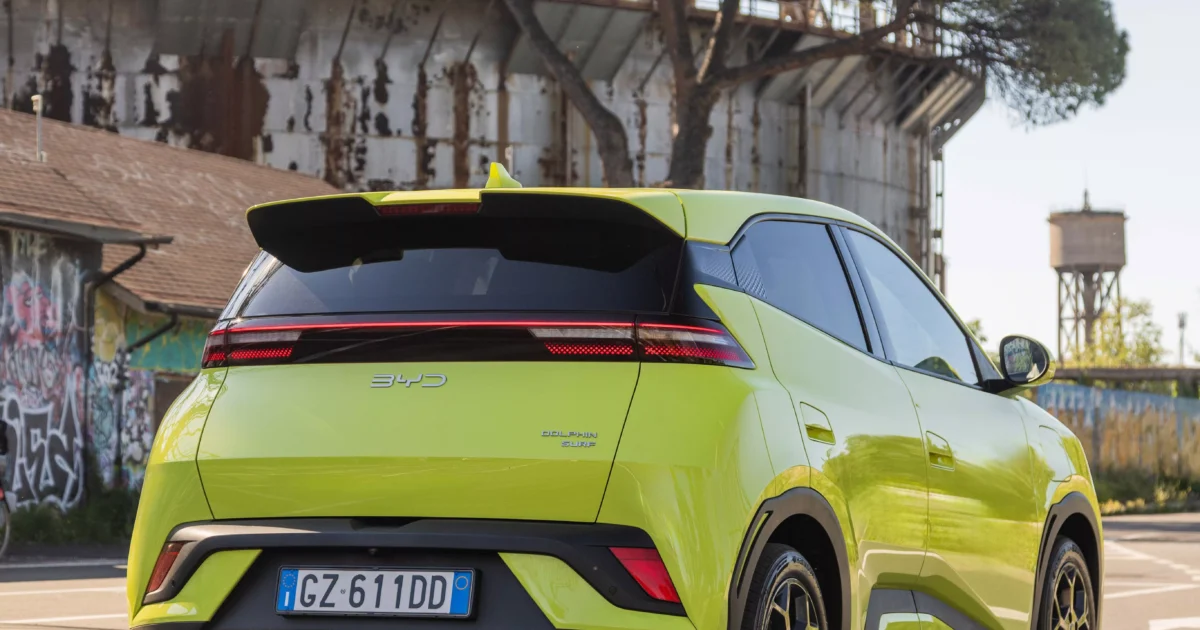
The first model off the line will be the Dolphin Surf, a compact electric hatchback designed for European urban buyers. Local production allows BYD to avoid the EU’s punitive tariffs on Chinese-made EVs, which can add up to 45% on top of the standard 10% import duty.
Turkey Factory on Hold, Second European Site Sought
BYD has paused its planned $1 billion factory in Turkey, which had been slated to begin production in 2025. Construction has not yet started, and no new timeline has been set, according to Automotive News Europe citing Reuters.
Li described the priority ranking plainly: “Hungary is the first priority. The second priority is finding a second production base in Europe.” The company is actively scouting locations across the continent for a second manufacturing hub.
European Sales Surge
BYD sold nearly 188,000 vehicles in Europe in 2024, a 270% year-over-year jump, according to Sina Finance reporting Reuters data. In the first five months of 2025, sales exceeded 100,000 units — up 144% from the same period a year earlier. That momentum makes local production a commercial necessity, not just a tariff workaround.
Wang Chuanfu: Global Number One Within Five Years
At BYD’s annual shareholder meeting on June 9, chairman Wang Chuanfu declared that BYD will become the world’s largest automaker by volume within five years, as reported by QQ News. The company’s 2026 overseas sales target of 1.5 million units is expected to be exceeded, Wang said, with localization in Brazil, Hungary, Thailand, and Indonesia driving growth.
He also revealed that BYD’s second-generation Blade Battery capacity is ramping at 20,000–30,000 units per month, and that 2027 will bring “stunning” new technologies. The company has 12,000 engineers, over 5,000 focused on autonomous driving, and plans to invest more than 100 billion yuan in intelligent driving R&D.
FAQ
Why did BYD choose Hungary?
Hungary offers EU market access, competitive labor costs, and a government eager to attract green manufacturing investment. The Szeged site also provides rail links to key European markets.
What is the Dolphin Surf?
It is BYD’s entry-level electric hatchback for Europe, known as the Seagull in China and the Dolphin Mini in some markets. It is expected to be priced competitively against European rivals.
How will this affect EU tariffs?
Vehicles assembled within the EU are not subject to the anti-subsidy duties applied to Chinese imports, giving BYD a significant price advantage over its China-built rivals.