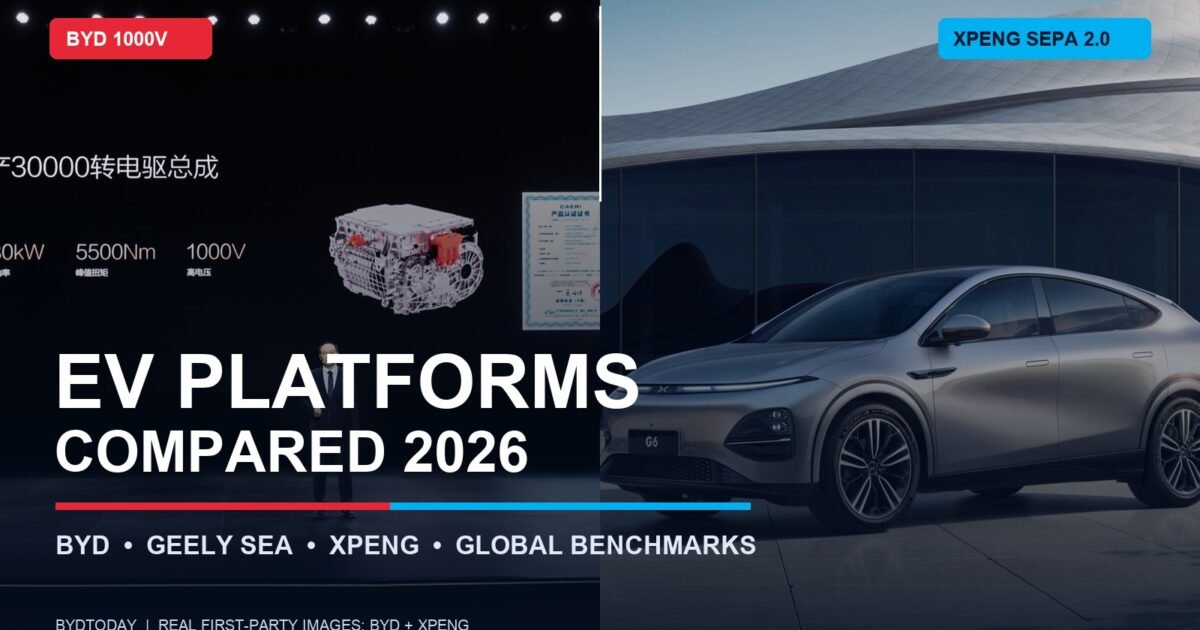
Quick Answer: An electric vehicle platform is the shared structural, electrical and software foundation used to develop multiple models. No single 2026 platform wins every metric: BYD prioritizes vertical integration and charging, Geely SEA emphasizes multi-brand scale, and XPeng SEPA2.0 combines 800V hardware with software. Hyundai E-GMP and Volkswagen MEB show global modular scale. Compare exact model fitment—not platform slogans.
Last verified: July 27, 2026. Platform status, named vehicle fitment and voltage claims below use automaker sources. Future launch dates and cost targets remain plans until a production model is delivered.
This BYDToday guide compares reusable electric vehicle platforms and their commercial logic. Individual model pages remain the source for trim-specific specifications, while separate guides cover company histories and charging technology.
What is an electric vehicle platform?
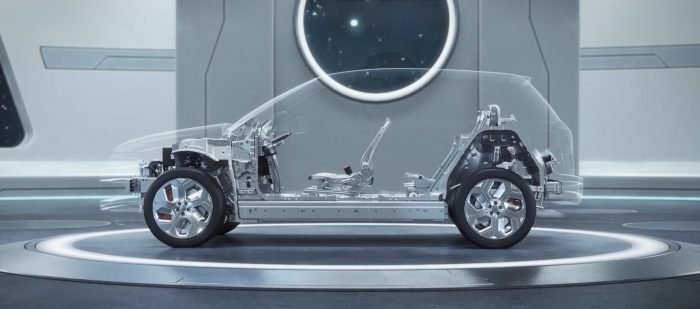
An electric vehicle platform is a reusable set of engineering rules, interfaces and components that can support more than one vehicle. The visible “skateboard”—battery between the axles, suspension and electric drive—is only one layer. A modern platform can also define thermal systems, voltage range, electronic controllers, communication networks, operating software, manufacturing processes and validation standards.
| Layer | Typical shared elements | What may still vary by model | Common reporting mistake |
|---|---|---|---|
| Physical structure | Crash paths, floor, hard points, suspension layout, track and wheelbase ranges | Body material, wheelbase, seating, steering and suspension tune | Assuming every model has identical stiffness or casting strategy |
| Energy and propulsion | Battery envelope, cooling interfaces, motor family, inverter and charge architecture | Cell chemistry, usable energy, motor count, peak charge power and curve | Applying one flagship’s voltage or charging claim to the whole platform |
| Electronics and software | Network topology, domain or zonal controllers, OTA pipeline and diagnostics | Chip generation, sensor set, feature entitlement and market approval | Treating platform compatibility as delivered software capability |
| Industrial system | Plant tooling, module interfaces, supplier standards and validation processes | Factory, local content, homologation and quality ramp | Calling an announced architecture “in production” before SOP and deliveries |
Platform, architecture and technology stack overlap, but are not synonyms. An automaker can use one body platform with a newer electronic architecture, or share batteries and motors across vehicles that do not share the same floor and crash structure.
Dedicated BEV, multi-energy or converted combustion platform?
A dedicated battery-electric platform is designed around a large underfloor battery and electric drive from the start. It usually enables a flat floor, short overhangs and flexible cabin packaging. A multi-energy platform supports more than one powertrain through modular interfaces. A converted combustion platform adapts an existing engine-vehicle structure to carry batteries and motors.
Dedicated design can improve packaging, but it is not an automatic quality ranking. A dedicated platform may be costly at low volume; a well-engineered multi-energy platform may let an automaker use factories and components more efficiently. Real vehicle mass, usable space, charging curve, crash results, repairability and price matter more than the label.
Chinese EV platforms in production in 2026
The useful comparison is not a single leaderboard. BYD, Geely, XPeng and NIO expose different platform strategies: vertical integration, multi-brand licensing, software-led model development and charging-plus-swapping respectively.
| Platform or architecture | Current verified role | Named production evidence | Boundary |
|---|---|---|---|
| BYD e-Platform 3.0 / Evo | Dedicated BEV family integrating battery, electric drive, thermal, body and electronic systems | BYD launched e-Platform 3.0 in 2021; current products such as Sealion 7 identify e-Platform 3.0 Evo | DM-i hybrids, e⁴ off-road systems and every BYD-branded model are not automatically e-Platform 3.0 vehicles |
| BYD Super e-Platform | Full-domain 1000V architecture with a new battery, motor and SiC power electronics | BYD launched it in March 2025 on the Han L and Tang L EV | The 1MW and five-minute claims are company launch figures for compatible vehicles and chargers, not the whole BYD fleet |
| Geely SEA | Broad architecture shared or adapted across Geely-group and partner brands | Zeekr 001 and X, smart #1/#3 and Polestar 4 are official SEA applications; Lotus EPA is derived from SEA | Volvo EX90/Polestar 3 use a different Volvo technology base; not every Geely-group EV is SEA |
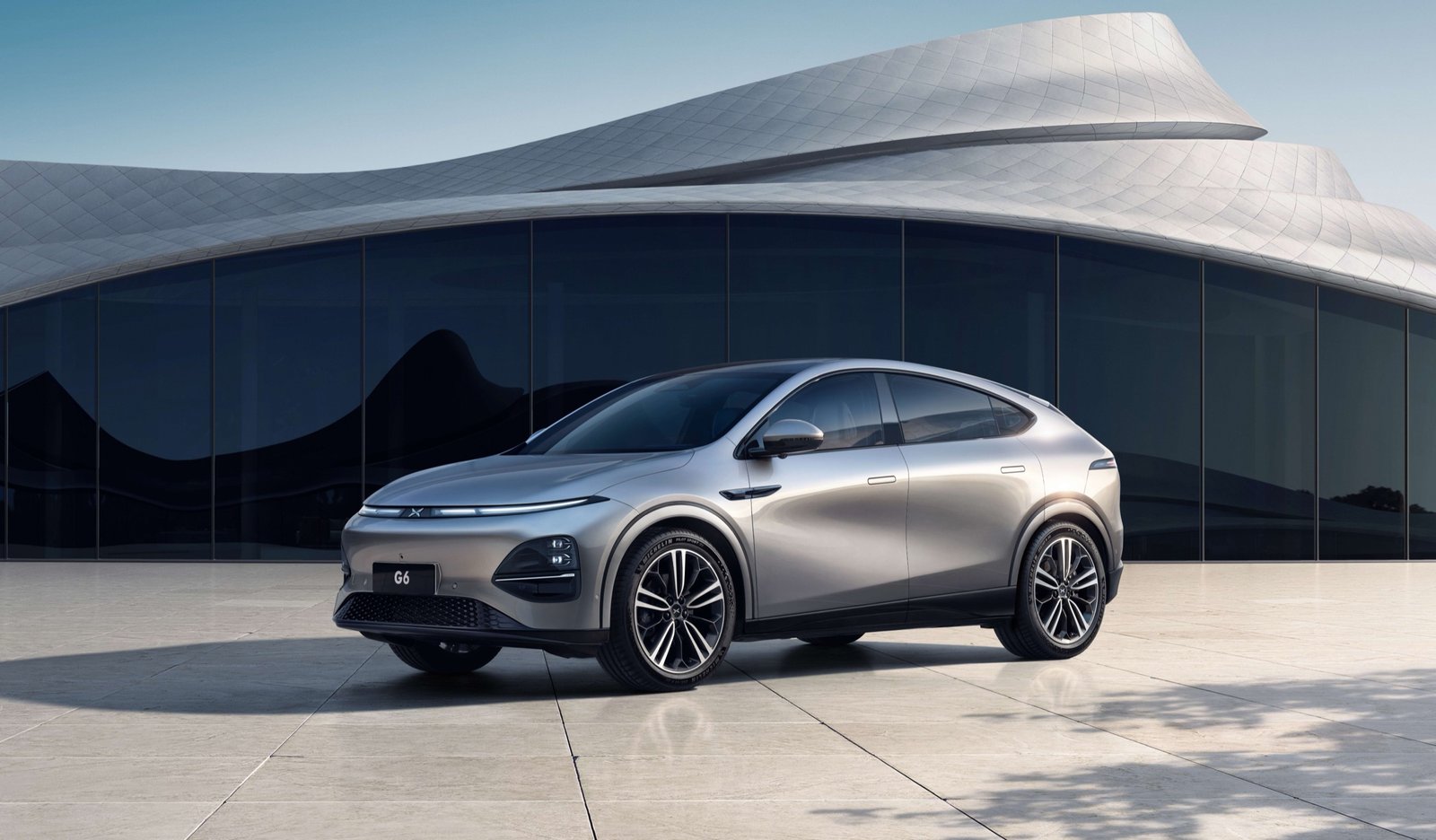
| XPeng SEPA2.0 | 800V SiC propulsion, CIB body integration and an electronic/software architecture | XPeng identifies the G6 as the first production model based on SEPA2.0 | A feature or charging specification must still be checked by battery, model year and market |
| NIO full-domain 900V | High-voltage vehicle architecture combined with charging and battery swapping | ET9 began deliveries in 2025; ES9 launched and began deliveries in May 2026 on a new-generation 900V architecture | NIO does not present every current model as one identical modular platform; 900V does not describe older NT2 vehicles |
BYD: three names that should not be merged
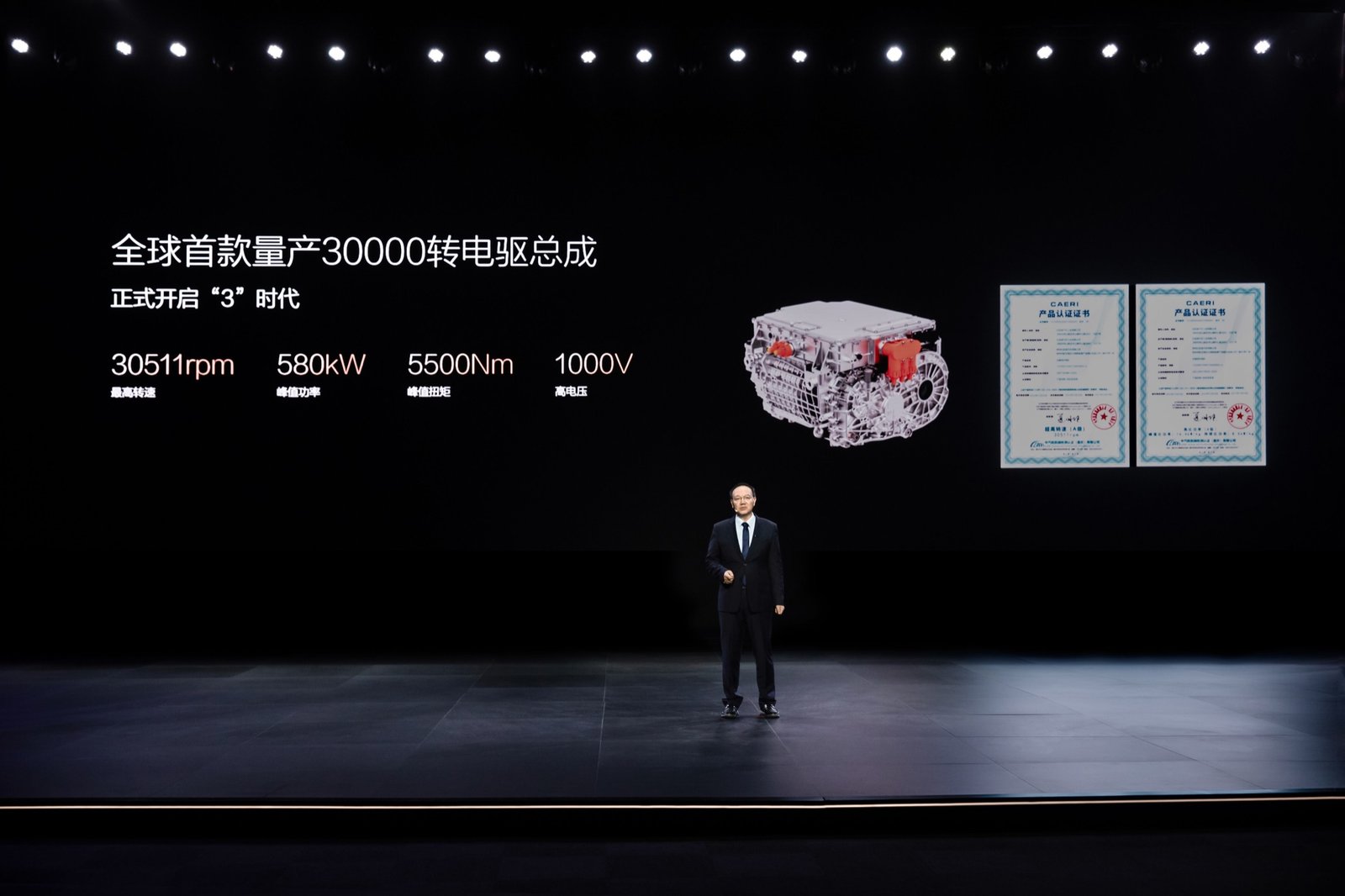
BYD’s e-Platform 3.0 is the broad dedicated-BEV base first released in 2021. e-Platform 3.0 Evo is a newer integrated generation used by named products. Super e-Platform is a separate 2025 high-voltage launch centered on a full-domain 1000V system, 10C Flash Charging Battery, 30,000-rpm motor and higher-voltage SiC chips.
The distinction fixes a major error in the old dossier, which treated U8 and Bao 5 as e-Platform 3.0 Evo examples. Those are electrified off-road products with different powertrain and architecture stories. The safe method is to require an official fitment statement for each model.
Geely SEA: scale through brands and licensing
Geely describes SEA as a hardware, system and ecosystem architecture developed over four years. In its license agreement with ElectroMobility Poland, Geely said the wheelbase could be expanded from 1,800 to 3,300 mm and that the package included a software framework. The real strategic difference is breadth: the base can support distinct bodies and brands rather than forcing them to look alike.
That breadth also creates naming traps. SEA is a family with derivatives, not proof that every Geely, Volvo, Polestar, smart, Lotus or Lynk & Co vehicle shares identical batteries, voltage or software. Geely’s 2026 Auto China demonstration of an SEA AI Digital Chassis shows continued evolution, but a demonstration is not evidence that every installed vehicle has the same function.
XPeng SEPA2.0: hardware and software developed together
XPeng’s G6 launch is unusually useful because it names the first production fitment and the included layers: 800V SiC, a highly integrated powertrain, cell-integrated-body construction, front and rear cast structures, X-EEA 3.5 electronics and assisted-driving/cockpit systems. That makes SEPA2.0 broader than a skateboard.
It does not make every number permanent. The 2023 G6’s battery, charging and compute specifications differ from later model years and overseas versions. “SEPA2.0” should lead to a model-level check rather than end the investigation.
Global benchmarks: production platforms versus future roadmaps
Global EV platform comparisons require two separate tests: how widely a current platform has scaled, and whether a future consolidation plan has reached production. Mixing those states makes an announced platform look stronger than a delivered electric vehicle platform.
| Platform | Status at July 2026 | Verified evidence | What remains unproven |
|---|---|---|---|
| Hyundai Motor Group E-GMP | Production | Dedicated BEV platform with 800V charging and 400V boost compatibility; used across Hyundai, Kia and Genesis models | Model-specific battery, charge time and V2L limits still vary |
| Volkswagen MEB / MEB+ | Production | Volkswagen reported about three million MEB vehicles delivered by March 2026 and MEB+ production startup in early 2026 | MEB+ specifications and rollout differ from the installed MEB fleet |
| Volkswagen SSP | Under development | Volkswagen says the Rivian-joint-venture SDV architecture will begin rollout in a 2027 entry model and later SSP vehicles | No delivered SSP customer vehicle existed at the verification date |
| Stellantis STLA One | Announced for 2027 | May 2026 plan covers B–D segments, multiple powertrains, 800V capability and more than 30 target models | The 20% cost-efficiency and 2-million-unit targets are corporate goals, not achieved results |
| Ford Universal EV Platform | Development / factory preparation | Ford introduced the platform and new assembly system in 2025; first midsize pickup is intended to reach customers in 2027 | Final production price, range, charge curve and delivered volume remain future evidence |
Do not rank future targets against production cars. A target launch, planned component reuse, claimed cost reduction or factory investment is evidence of strategy—not evidence of manufacturing yield, durability, customer price or delivered scale.
Why voltage is not a platform score
Voltage affects current, conductor size, power electronics and the potential charging window, but the advertised number does not describe a complete vehicle. Some architectures are full-domain high voltage; others use a higher-voltage traction battery while lower-voltage subsystems remain. More importantly, peak power may last only briefly.
| Claim | What it can indicate | What to verify | Why it matters |
|---|---|---|---|
| Nominal or maximum voltage | Electrical design range | Nominal pack voltage, maximum system voltage and which components operate there | “1000V” may describe a maximum or a broader full-domain design |
| Peak charging power | Highest observed input under stated conditions | SOC window, battery temperature, charger voltage/current and duration | A short peak does not determine total stop time |
| Range added in minutes | Company test-cycle conversion | Starting SOC, cycle, vehicle efficiency and compatible charger | CLTC or company range added is not universal road mileage |
| Platform compatibility | Engineering capability | Exact model, pack, software, market and charging network | A compatible platform does not guarantee the feature on every trim |
Use BYDToday’s 800V charging guide for electrical and charging-curve details. The BYD Flash Charging guide separates the platform launch, compatible cars and required charging network.
Battery integration, repair and model flexibility
Platform comparisons often treat cell-to-body or structural battery integration as a guaranteed win. Integration can reduce duplicated structure, lower the floor and improve stiffness. It can also change crash repair, sealing, pack replacement, manufacturing tolerance and the ease of switching cell formats or suppliers.
Terms are not standardized across companies. Cell-to-pack normally removes conventional modules; cell-to-body or cell-to-chassis adds some vehicle-structural role. The correct question is not which acronym sounds most advanced. It is which parts are structural, serviceable and transferable across the exact models being compared.
Software architecture is a separate comparison
A platform may support zonal controllers and OTA updates without giving every model the same compute, operating system or assisted-driving package. Conversely, a company can refresh electronics on an existing body platform. Hardware reuse and software reuse therefore need separate rows in any cost or technology analysis.
Electric vehicle platform comparisons should stay separate from broader company strategy and history. Read BYDToday’s guides to BYD’s technology system, Geely’s brands and strategy and XPeng’s history and XNGP strategy for those topics.
How to compare an EV platform before buying or investing
Compare an EV platform at the exact model, battery, software, market and production stage. Buyers should prioritize delivered range, charging, crash, repair and warranty evidence; investors should add factory scale, component reuse, cost and delivered volume.
| Decision area | Question | Preferred evidence | Red flag |
|---|---|---|---|
| Fitment | Is this exact model and model year officially named? | Configurator, manual, homologation or launch release | A group-wide platform claim copied onto every brand |
| Maturity | Is it delivered, at SOP, nominated or announced? | Customer delivery date and factory confirmation | Roadmap presented as current production |
| Energy system | Which battery, usable energy, voltage and charging curve? | Pack-specific test with SOC and temperature | Peak power without duration or conditions |
| Packaging | What space, mass and crash benefit reaches this vehicle? | Independent measurements and safety results | Generic skateboard image used as a cabin-space guarantee |
| Software | Which controller, chip, OS and OTA functions are installed? | Model manual, software release and market availability | “Software-defined” with no supported update scope |
| Economics | How many models, plants and delivered units share it? | Audited volume and named production sites | Target cost reduction reported as achieved savings |
| Service | How are battery, castings and electronics repaired? | Repair manual, warranty and parts process | Integration benefit with no repair boundary |
Which EV platform strategy is strongest?
There is no universal winner. BYD has the strongest case for vertically integrated batteries, electric drive and charging hardware. Geely SEA demonstrates unusually broad brand and licensing flexibility. XPeng connects its physical, electronic and software architecture tightly. NIO links new 900V vehicles to battery swapping. Hyundai E-GMP is a mature global 800V modular benchmark, while Volkswagen MEB shows delivered multi-brand scale.
Ford, Stellantis and Volkswagen’s SSP programme are important because they target lower complexity and closer hardware/software integration. They remain future evidence until their first production vehicles reach customers. Investors should track SOP, delivered volume, component reuse and warranty performance; buyers should compare the exact vehicle available in their market.
Related guides: Browse the China NEV Knowledge Hub for company, technology, supply-chain and market explainers.
Frequently Asked Questions
What is an electric vehicle platform?
An electric vehicle platform is a reusable engineering foundation covering vehicle structure, battery and drive interfaces, electronics, software and manufacturing rules. It can support several models while allowing body, battery, motor, suspension and software differences.
Is a dedicated EV platform always better?
No. A dedicated BEV platform often improves battery and cabin packaging, but economics, mass, crash performance, charging, repairability and software depend on the finished vehicle. A well-engineered multi-energy platform can also be competitive.
Which EV platforms use 800V or more?
Verified examples include XPeng SEPA2.0 and Hyundai E-GMP at 800V class, NIO’s newer full-domain 900V architecture and BYD Super e-Platform at full-domain 1000V. Exact system voltage, battery and charging capability vary by model.
Is BYD Super e-Platform the same as e-Platform 3.0?
No. e-Platform 3.0 is BYD’s broader dedicated-BEV architecture introduced in 2021, with a later Evo generation. Super e-Platform is a separate 2025 launch centered on full-domain 1000V hardware and megawatt-class charging for named vehicles.
Which models use Geely SEA?
Official examples include Zeekr 001 and X, smart #1 and #3, and Polestar 4. Lotus describes its EPA as derived from SEA. Not every vehicle owned or partly owned by Geely uses SEA, so fitment must be checked model by model.
Does an EV platform guarantee charging speed or range?
No. A platform creates design capability. Real charging and range depend on the exact battery, software, thermal conditions, state of charge, charger, wheels, test cycle, route and vehicle efficiency.
Primary sources
- BYD: e-Platform 3.0 launch
- BYD: Super e-Platform launch and first vehicle fitment
- Geely: SEA architecture scope and development
- Geely Holding: SEA licensing and wheelbase scope
- Geely Holding: named SEA and derived-platform models
- XPeng: G6 as first production SEPA2.0 model
- Hyundai Motor Group: E-GMP architecture
- NIO: ES9 launch and new-generation 900V architecture
- Volkswagen Group: about three million MEB vehicles delivered by March 2026
- Volkswagen Group: MEB+ production status and platform business
- Volkswagen Group: SSP and SDV rollout status
- Stellantis: STLA One 2026 announcement and 2027 target
- Ford: Universal EV Platform and intended first vehicle
Editorial method: BYDToday compared dated manufacturer releases, named production fitment and delivered-vehicle evidence. Company voltage, charging, cost and future-volume claims remain company claims unless an independent source is named.