With 36,702 retail units in April and cumulative deliveries exceeding 655,000, Xiaomi’s electric vehicle division has shattered expectations and secured a top-five position among China’s NEV brands.
April delivery figures are based on CnEVPost coverage of Xiaomi EV’s April 2026 deliveries and related delivery reports.
A Dual-Model Success Story
Xiaomi’s entry into the automotive sector has proven to be one of the most successful cross-industry expansions in recent Chinese business history. According to the China Passenger Car Association (CPCA), Xiaomi delivered 36,702 vehicles in April 2026, securing a top-five position in the NEV brand retail rankings. The company’s cumulative deliveries have now surpassed 655,000 units since its automotive debut, a remarkable achievement for a brand that entered the market less than three years ago.
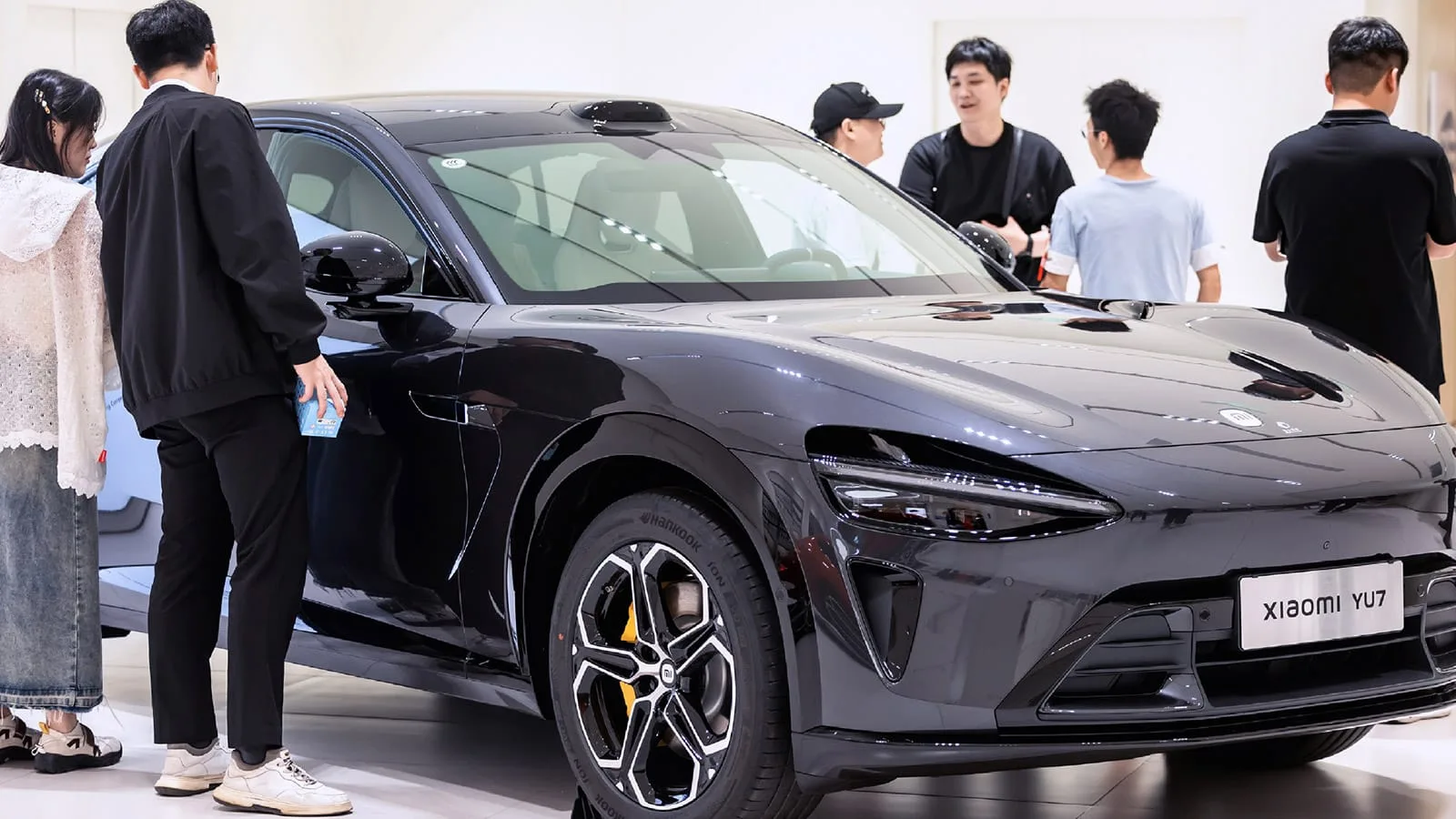
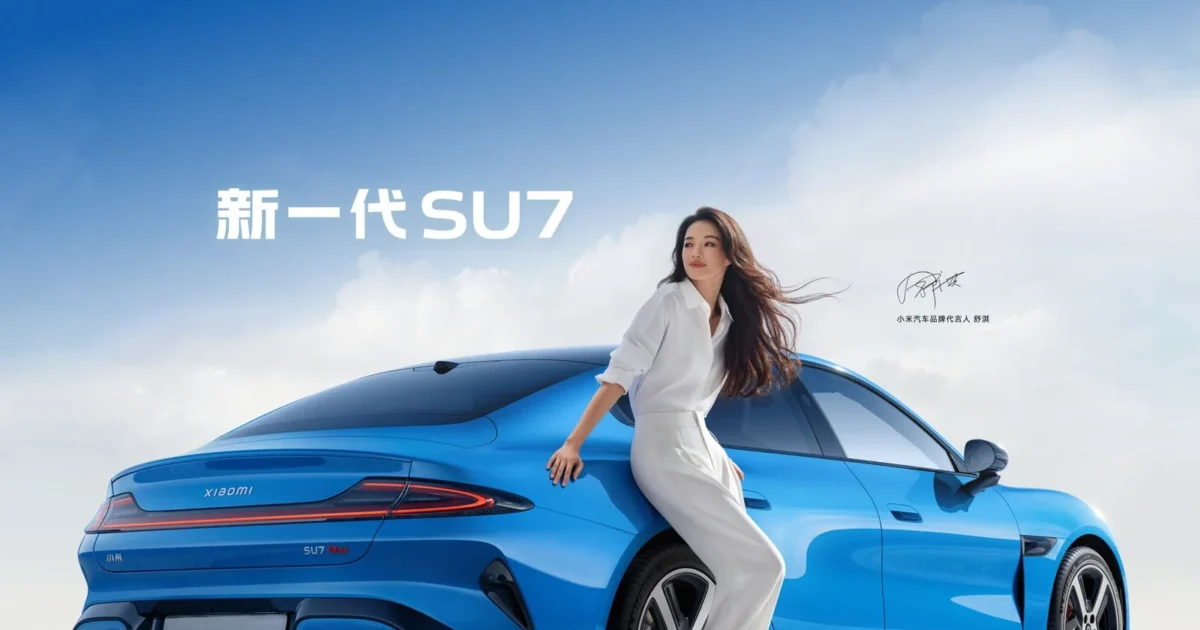
The success is being driven by two complementary models. The SU7 sedan recorded 26,826 retail units in April alone, making it the second best-selling passenger car across all categories for the month. Since its initial launch, cumulative SU7 deliveries have exceeded 380,000 units. Meanwhile, the YU7 SUV has been equally impressive, with cumulative sales of 71,761 units from January to April 2026, claiming the title of China’s best-selling SUV for the period.
Dominating the Premium Segment
Perhaps most significant is Xiaomi’s performance in the premium market segment, where it has proven that a smartphone maker can compete with established luxury automakers. The SU7 claimed the number one position among vehicles priced above 200,000 yuan (approximately $27,600) in April, while its January-to-April cumulative sales also led the premium pure electric sedan segment.
This premium market success challenges the assumption that Xiaomi — a brand historically associated with affordable consumer electronics — would struggle to establish credibility in higher-priced automotive segments. The SU7’s combination of competitive specifications, distinctive design language, and Xiaomi’s expansive ecosystem of connected devices has created a value proposition that resonates with China’s tech-savvy premium car buyers.
What It Means for China’s Hyper-Competitive EV Market
Xiaomi’s rapid ascent carries significant implications for the broader Chinese EV landscape. The company’s success demonstrates that strong consumer brand recognition and ecosystem integration can serve as powerful competitive advantages in an industry where traditional automakers have historically dominated. As Xiaomi CEO Lei Jun has repeatedly emphasized, the company’s “Human x Car x Home” strategy aims to create seamless integration between smartphones, electric vehicles, and smart home devices.
Sources
- CnEVPost, Xiaomi EV delivers 36,702 cars in April, SU7 contributes 73%
- Electric Cars Report, Xiaomi EV April deliveries top 30,000
- EVEarly, Xiaomi EV delivers 36,702 cars in April