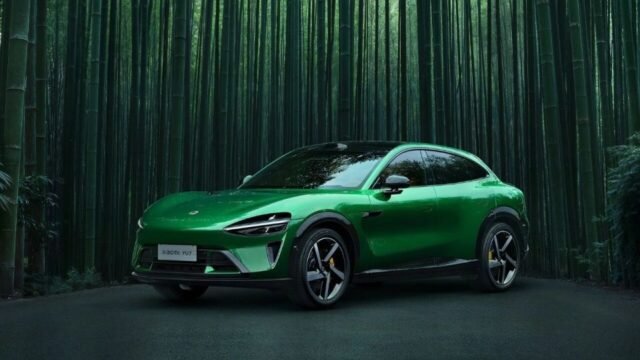
Xiaomi’s electric vehicle division maintained delivery momentum above 30,000 units in May 2026, marking its third consecutive month at or above the 30K threshold and confirming the brand’s transition from splashy debut to steady-state volume player in China’s hyper-competitive EV market.
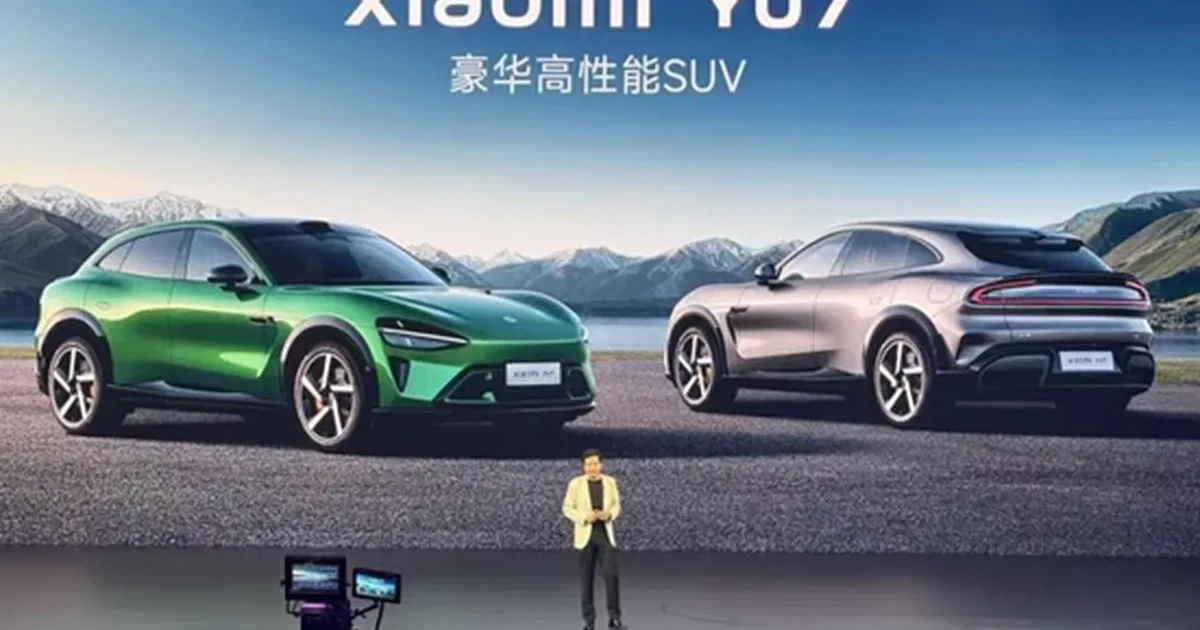
Per CnEVPost, Xiaomi did not disclose an exact May delivery figure — the company uses the “over 30,000” formulation — but the consistency is notable given that April saw a sharp recovery to 36,700 units after a first-quarter trough below 30,000. The YU7 crossover remains the dominant model, accounting for more than 70% of deliveries, while the refreshed SU7 sedan continues to hold its position as the top-selling pure electric sedan in China’s ¥200,000+ (about $27,800+) segment for the year to date.
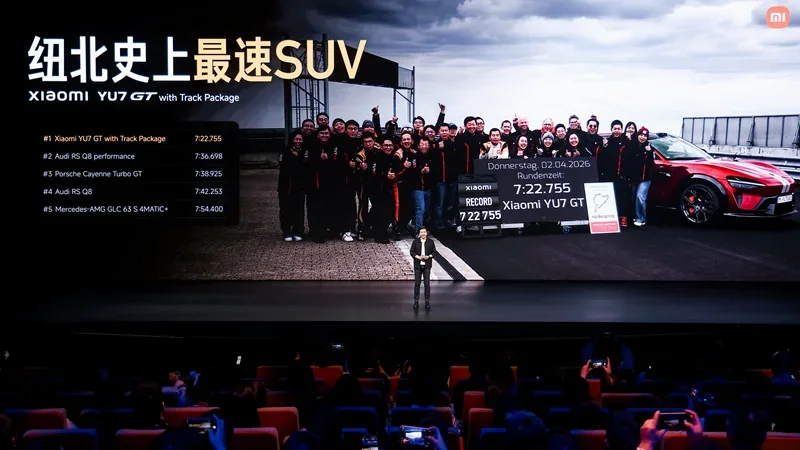
YU7 GT: A Performance Play
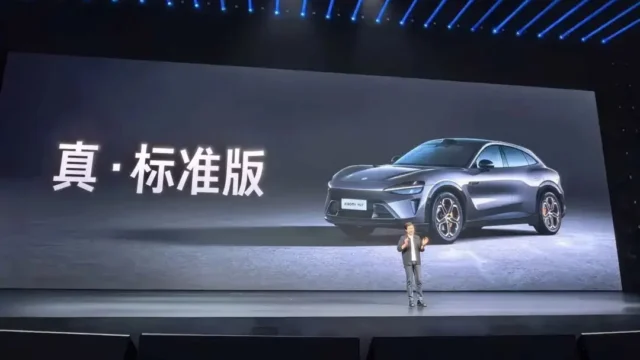
May 2026 saw Xiaomi expand the YU7 family with the GT variant — a performance-oriented trim featuring dual motors producing approximately 500 kW (670 hp), adaptive air suspension, and track-tuned chassis calibration. The YU7 GT competes directly with the Zeekr 001 FR and Tesla Model Y Performance in China’s growing performance EV sub-segment. Xiaomi also introduced a new YU7 Standard Range edition in May, lowering the entry price to appeal to a broader buyer base.
With the YU7 Standard, YU7 Pro, YU7 Max, and now YU7 GT, Xiaomi’s crossover lineup covers a price range from roughly ¥229,900 ($31,900) to ¥359,900 ($49,900), giving the brand comprehensive coverage of the mid-to-premium crossover segment. Gasgoo reports that cumulative Xiaomi EV deliveries surpassed 655,000 units as of late April 2026, less than two and a half years after the first SU7 deliveries began.
Supply Chain and Production Scale
Xiaomi’s Beijing factory — designed by the company in-house with significant automation — has demonstrated the ability to sustain production above 30,000 units per month, a critical threshold for profitability in the EV business. The factory’s Phase 2 expansion, expected to come online in the second half of 2026, could push annual capacity toward 600,000 units.
Xiaomi’s approach differs from most EV startups: rather than building a dedicated charging network like NIO, it relies on China’s public charging infrastructure and its integration with Xiaomi’s broader ecosystem of smart home devices. This asset-light strategy keeps capital expenditure manageable while allowing rapid model expansion.
What’s Next
Xiaomi’s EV division is approaching a key inflection point: sustaining 30,000+ monthly deliveries while digesting the YU7 GT launch and preparing the SU7’s next-generation replacement. Analyst expectations (per CnEVPost and local Chinese media) suggest Xiaomi could approach an annualized rate of 400,000-450,000 units by Q4 2026 if the supply chain keeps pace. The bigger question is whether Xiaomi can export meaningfully — currently, nearly all deliveries serve the domestic Chinese market, leaving significant untapped potential in Southeast Asia, the Middle East, and eventually Europe.
Sources
- CnEVPost, Xiaomi EV delivers over 30,000 cars in May as lineup expands
- Gasgoo, Xiaomi Auto monthly sales stabilize at 30,000+ level in 2026
- Global China EV, Xiaomi Auto tops 30,000 deliveries in May
- Serrari Group, Xiaomi EV maintains strong sales momentum