China NEV Exports Surge Past 440,000 Units in May
China’s new energy vehicle exports reached 446,000 units in May 2026, more than doubling from a year earlier with a 110% year-over-year surge, according to data from the China Association of Automobile Manufacturers (CAAM). The figure includes 269,000 battery-electric vehicles (BEVs), up 94.3%, and 178,000 plug-in hybrids (PHEVs), which surged 140% — making PHEV exports the fastest-growing segment. CnEVPost reports that NEV exports now account for approximately 48% of all Chinese auto exports for the month.
Total Chinese auto exports hit a record 930,000 units in May, up 68.7% year-over-year, marking the second consecutive month above 900,000. The export surge has become the primary growth engine for an industry facing soft domestic demand, with May domestic passenger vehicle sales falling 23.4% to just 1.444 million units.
PHEV Exports Outpace BEV Growth
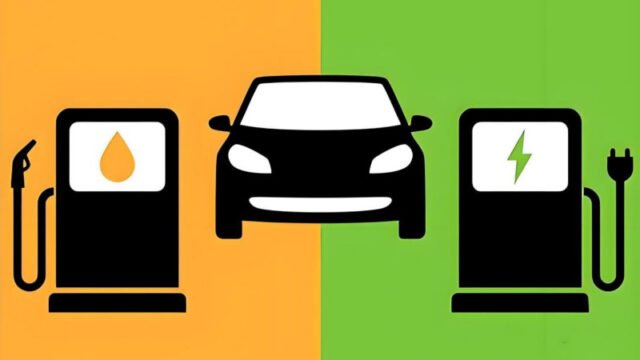
The most striking trend in the May data is the explosive growth of PHEV exports, which rose 140% year-over-year compared to 94.3% for BEVs. This shift reflects growing global demand for plug-in hybrid technology, particularly in markets where charging infrastructure remains uneven — Southeast Asia, the Middle East, and Latin America.
BYD dominates NEV exports with a 36.7% market share, leveraging its DM-i hybrid platform that has proven especially attractive in emerging markets. Tesla ranks fourth with 9.1%, according to ECNS data. In the first five months of 2026, China exported over 4 million vehicles total, with NEV exports reaching 1.833 million units — doubling from the same period last year.
Domestic Market Weakness Offset by Overseas Demand
While exports surged, the domestic market presented a starkly different picture. May domestic passenger vehicle sales fell 23.4% year-over-year to 1.444 million units, driven by policy adjustments, structural market changes, and macroeconomic pressures. However, NEV penetration continued its climb, reaching 56.9% of total new car sales in May as 1.496 million NEVs were sold — a 14.4% year-over-year increase.
The divergence between export strength and domestic weakness underscores a fundamental shift in China’s automotive industry: overseas markets are no longer a supplement but a necessity. Electrive notes that Chinese NEV exports have become the primary driver of global EV supply growth, with brands like BYD, Geely, and Chery establishing local production facilities from Brazil to Hungary to circumvent trade barriers.
Why It Matters Globally
For international readers, the doubling of China’s NEV exports signals that the global automotive landscape is being reshaped at unprecedented speed. With PHEV technology gaining traction in markets unserved by charging infrastructure, and Chinese manufacturers building local assembly plants worldwide, the question is no longer whether Chinese EVs will arrive — but how quickly domestic industries will adapt.
FAQ
Q: What percentage of China’s auto exports are now NEVs?
A: Approximately 48% in May 2026, up significantly from 2025 levels.
Q: Why are PHEV exports growing faster than BEV?
A: PHEVs address range anxiety in markets with limited charging infrastructure, making them more practical for Southeast Asia, the Middle East, and Latin America.
Q: Which Chinese brand exports the most NEVs?
A: BYD leads with a 36.7% share of NEV exports, followed by other major manufacturers.