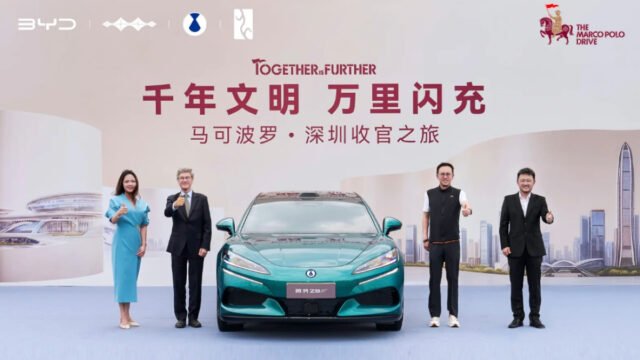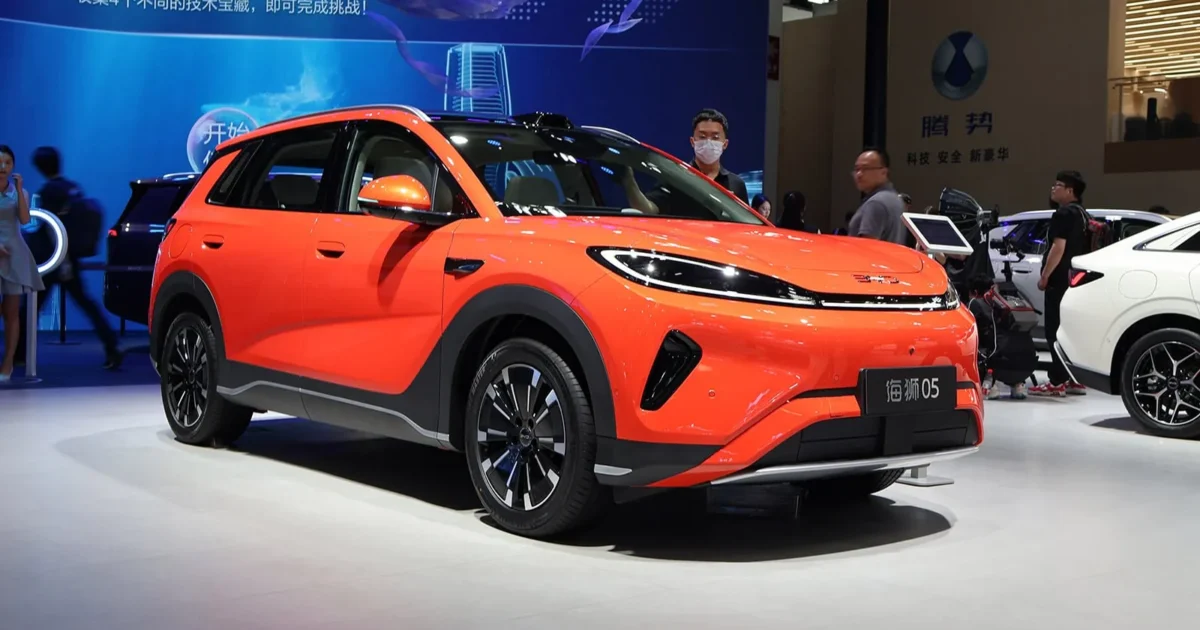
BYD is holding active negotiations with Stellantis and other European carmakers to take over underused factories across the continent, as the Chinese EV giant accelerates its European manufacturing strategy beyond its planned Hungary plant.
Background
Speaking at the Financial Times Future of the Car Summit in London, BYD Executive Vice President Stella Li confirmed that the company is “talking to not only Stellantis, we’re talking to other companies too” about acquiring underutilized European production facilities. Per Bloomberg’s May 13 report, BYD’s preferred approach is to operate the plants independently rather than through joint ventures.
BYD already has a passenger car factory under trial production in Hungary, and has announced plans for a $1 billion manufacturing base in Turkey. The company’s premium Denza brand launched in Europe in April 2026, with the Denza Z9GT and D9 entering key European markets. According to CnEVPost, BYD’s management remains confident in its 2026 export target of 1.5 million vehicles.
Key Numbers and Details
BYD exported a record 160,644 new energy vehicles in May 2026, representing an 80% year-over-year increase according to CarNewsChina. The company’s search for existing European factory capacity signals a shift from building new greenfield plants to acquiring and repurposing legacy automaker facilities — a faster and potentially cheaper route to localized production.
The move mirrors a broader trend among Chinese automakers. Geely was recently reported to be acquiring Ford’s Spanish production line for its European EV expansion. Stellantis itself announced plans to produce Opel electric SUVs and Leapmotor B10 models at its Zaragoza plant in Spain, while transferring its Madrid Villaverde factory to Leapmotor International’s Spanish subsidiary for new Leapmotor vehicle production, per Electrek.
Industry Impact
BYD’s factory acquisition strategy reflects the intensifying pressure on European legacy automakers. As domestic price wars compress margins in China, BYD and its peers are aggressively expanding overseas. The potential reuse of European factories by Chinese manufacturers could reshape the continent’s automotive workforce and supply chain dynamics.
European regulators have been tightening import rules on Chinese-made EVs, with revised tariffs and minimum price mechanisms now in effect. Local European production would allow BYD to bypass these trade barriers while also reducing logistics costs and delivery times. For Stellantis, selling underutilized plants could help shore up its balance sheet amid declining European market share.
What’s Next
BYD has not disclosed a timeline for completing any factory acquisition. However, Stella Li’s public confirmation of negotiations suggests discussions are at an advanced stage. The company’s Hungary plant is expected to reach full production capacity by late 2026, while the Turkey facility remains in early planning. Any additional European factory acquisitions would likely be announced alongside BYD’s European product roadmap updates.