After 540 days of persuasion by CEO Lei Jun, Song Gang — the man who built Tesla’s Shanghai Gigafactory from wasteland to 750,000-unit capacity — has joined Xiaomi’s automotive division, signaling the company’s manufacturing ambitions.
The Song Gang appointment is based on 36Kr reporting on Tesla manufacturing talent joining Xiaomi and supporting EV strategy coverage.
The 540-Day Recruitment
When Song Gang appeared on stage at Xiaomi’s May 21 ‘Human x Car x Home’ ecosystem launch event as Vice President and Chief of Staff of the Automotive Division, it marked the culmination of one of the longest executive recruitment campaigns in recent automotive history. Lei Jun, Xiaomi’s founder and CEO, revealed that his team had been in continuous communication with Song for 540 days — nearly a year and a half — before he finally agreed to join.
Song’s credentials are formidable. As the former Senior Director of Manufacturing at Tesla’s Shanghai Gigafactory, he oversaw the facility’s transformation from an empty plot of land into the world’s most productive EV factory, with an annual capacity of 750,000 units. His departure from Tesla 17 months ago left a void that Xiaomi was determined to fill.
‘Xiaomi and Tesla are very similar, especially in the pursuit of excellence,’ Song told reporters in his first public appearance. ‘Xiaomi’s strength lies in its open culture — we pursue the absolute best in the industry and enable everyone to perform at 120% of their capacity. That’s what attracted me the most.’
YU7 Momentum Raises Execution Stakes
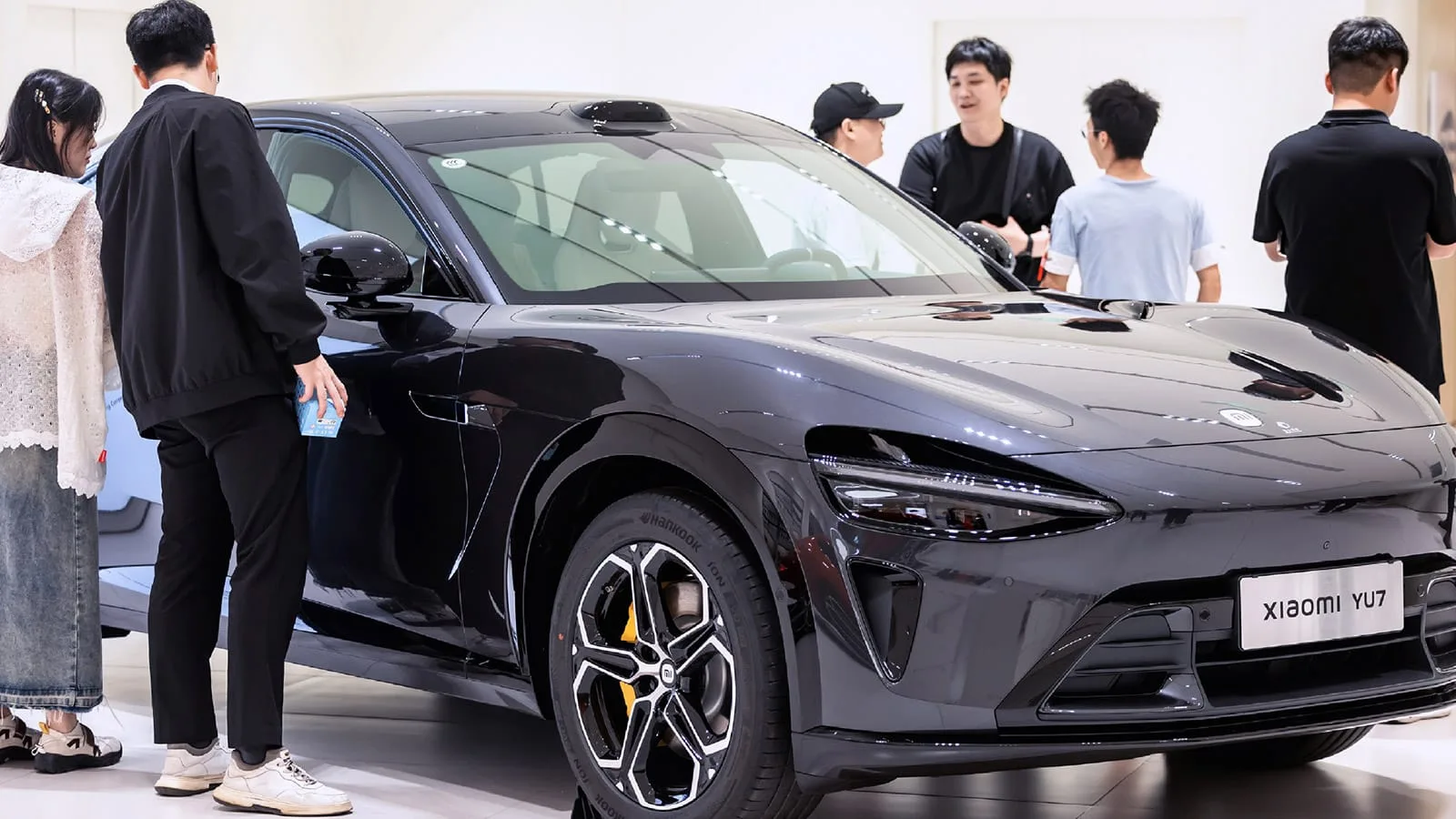
Song’s arrival coincides with a remarkable run of momentum for Xiaomi’s automotive business. At the same event, Lei Jun presented comparison data showing the YU7 SUV had accumulated 232,000 deliveries in just 10 months since launch — an extraordinary figure for a first-time automaker.
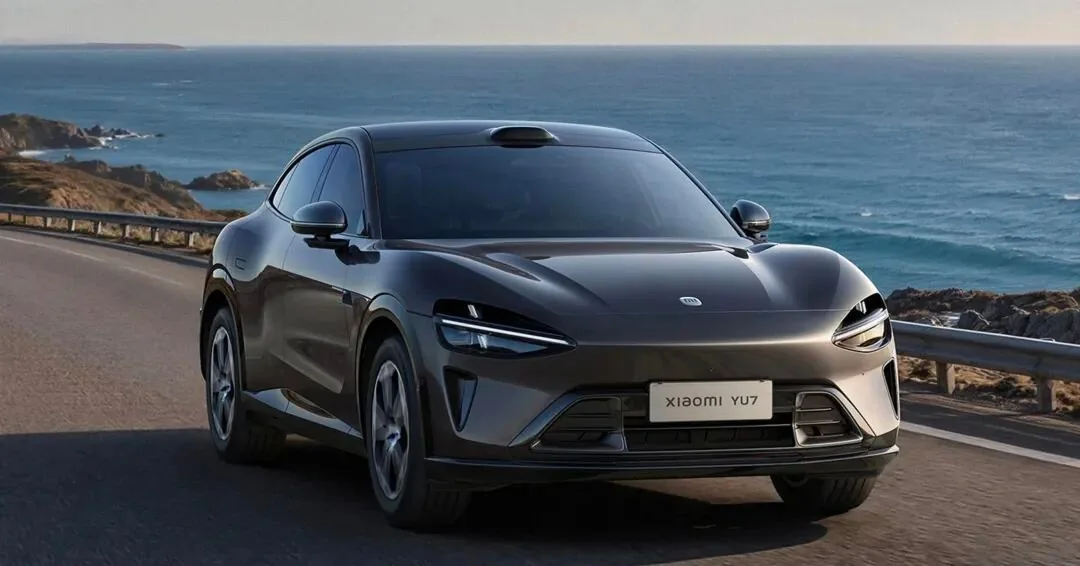
The new YU7 Standard Edition, priced from ¥233,500 (about $32,300), delivers 0-100km/h acceleration in 5.9 seconds, 320PS maximum output, and 643km CLTC range from a 73kWh battery. A 15-minute fast charge adds 405km of range. The event also unveiled the YU7 GT performance variant at ¥389,900, with dual motors producing 1,003PS and 0-100km/h in 2.92 seconds.
Even more impressively, on May 22 — the day after the launch — Xiaomi announced that the YU7 GT had set a new Nurburgring SUV lap record of 7:22.755, making it the fastest production SUV in the history of the legendary German circuit. Chief test driver Ren Zhoucan became the first Chinese driver to receive official Nurburgring lap time certification.
Building Manufacturing Muscle
Song Gang’s role at Xiaomi is comprehensive: he now oversees all of manufacturing, intelligent manufacturing, and systems operations, reporting directly to Lei Jun. This organizational structure signals that Xiaomi views manufacturing capability — not just product design or software — as a core strategic differentiator.
The numbers support this emphasis. In April 2026, Xiaomi delivered over 30,000 vehicles, a 50% month-over-month increase and a new record. Cumulative deliveries since entering the auto business have surpassed 656,000 units. The automotive division generated ¥103.3 billion in revenue in FY2025, representing 22.6% of Xiaomi’s total group revenue, with a gross margin of 24.3% — and achieved its first annual operating profit of ¥900 million.
Xiaomi has also created an overseas business preparation group, led by Yu Liguo, reporting to both Lei Jun and Group President Lu Weibing. The company clearly intends to follow BYD’s path and take its vehicles global — a move that will require the kind of world-class manufacturing expertise that Song Gang embodies.
The Talent War Intensifies
Song’s recruitment is emblematic of a broader talent war reshaping China’s EV industry. As traditional automakers and tech companies alike pour resources into electrification, the competition for executives with proven experience in scaling EV manufacturing has reached fever pitch. Compensation packages for senior manufacturing talent have reportedly doubled in the past two years.
For Xiaomi, the investment appears to be paying off. With a gross margin that rivals established luxury automakers and a product lineup that spans from ¥233,500 SUVs to ¥389,900 performance variants with Nurburgring credentials, the company has executed one of the most successful automotive market entries in recent history.
The question now is whether Xiaomi can sustain this momentum as it scales to the million-unit level and beyond. With Song Gang’s Gigafactory experience now in its arsenal, the company has arguably acquired the single most important piece of the puzzle: the ability to manufacture at scale with the quality and efficiency that global markets demand.