Last updated: June 8, 2026.
Quick Answer: Thailand EV buyers should not assume prices will only fall from here. The market has already moved through heavy discounting, consumer complaints, local production pressure, and the transition from EV3.0 to EV3.5 incentives. A discounted BYD can be a good buy if the out-the-door price, warranty, charger, insurance and resale risk are clear. If you are not in a hurry, waiting can still make sense because Chinese EV brands may keep fighting for share.
Why This Topic Is Hot
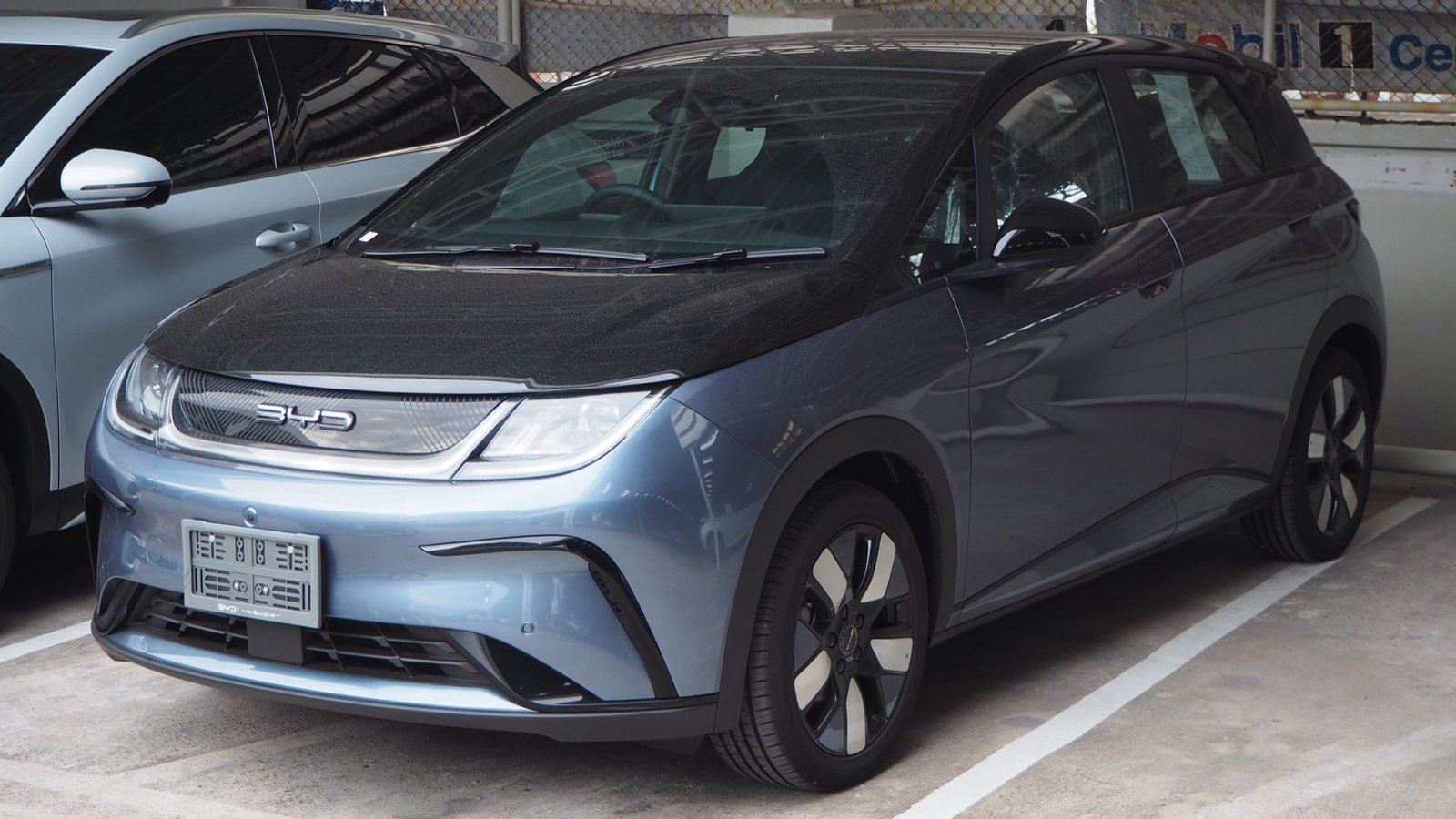
Thailand is where Chinese EV expansion becomes a real consumer story. BYD opened its first Southeast Asian EV factory in Rayong in 2024, while other Chinese brands such as GWM, MG, Neta, Changan, GAC Aion and Geely-related brands compete for the same buyers. The result has been aggressive pricing, fast model launches and a market where consumers are asking a very practical question: buy now, or wait for another discount?
This is especially important in 2026 because the subsidy environment has changed. Thailand’s EV3.0 support helped create early demand, while EV3.5 reduces support and changes the economics for imported and locally assembled models.
What Changed in Thailand’s EV Market
| Market Shift | Consumer Impact |
|---|---|
| EV3.0 subsidy phase-out | Some earlier discounts may not repeat in the same form. |
| EV3.5 transition | Lower support and new conditions can push some prices upward. |
| Local production ramp | More supply can trigger promotions, but also depends on factory commitments and inventory. |
| Chinese brand competition | BYD, MG, GWM, Aion, Deepal and others can keep pressure on prices. |
| Resale uncertainty | Fast discounts can hurt owners who bought before price cuts. |
Should You Buy a BYD in Thailand Now?
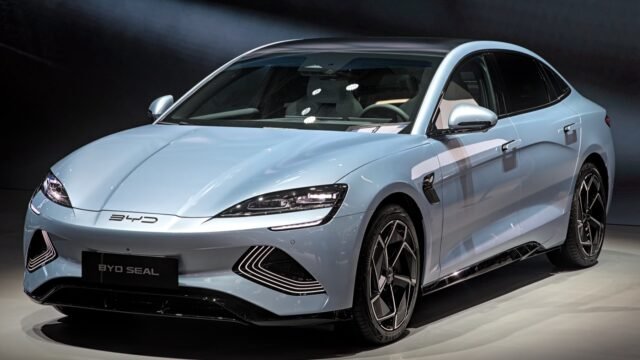
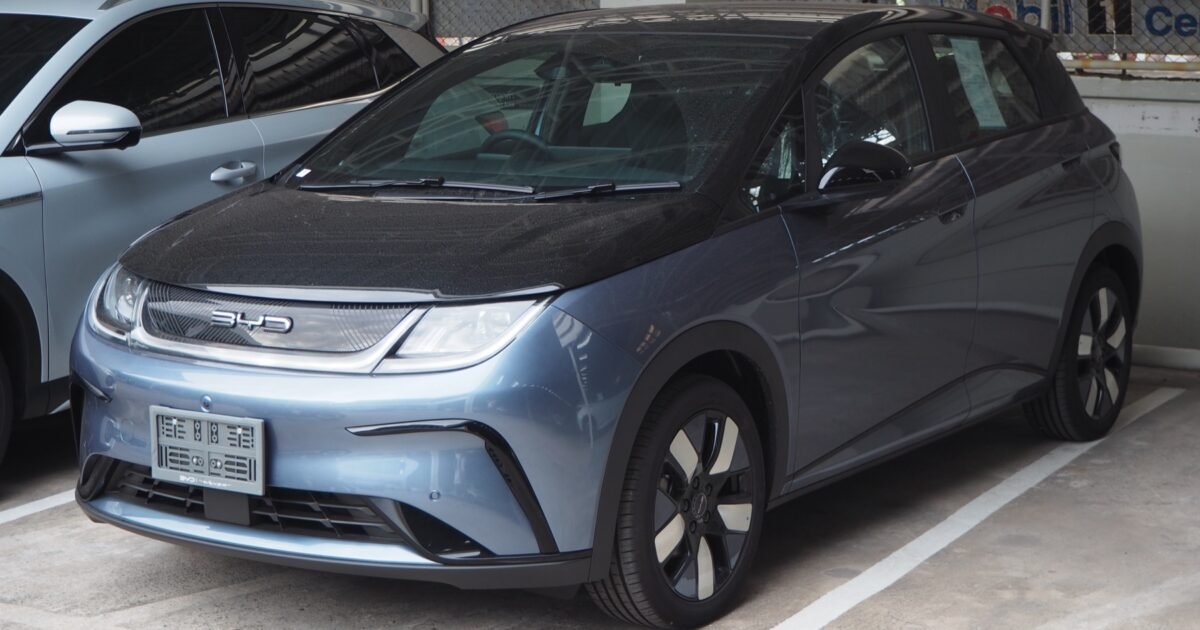
Buy now if the car solves a real daily-use problem and the dealer gives a transparent package. A lower monthly fuel bill, home charging, strong warranty terms and a fair cash discount can make a BYD Dolphin, Atto 3, Seal or Sealion 6-style plug-in hybrid attractive.
Wait if you are mostly buying because of fear of missing a deal. Thailand’s EV market is still young, and price competition has not disappeared. A buyer who can wait may see new model-year updates, better dealer bundles, or more clarity on residual values.
Buy Now vs Wait
| Situation | Better Move | Reason |
|---|---|---|
| You drive daily and can charge at home | Buy if discount is strong | Fuel savings start immediately. |
| You live in a condo with weak charging | Wait or choose PHEV | Public charging friction can erase convenience. |
| You plan to sell in 2-3 years | Be cautious | Rapid price cuts can pressure resale values. |
| You want lowest possible price | Wait | More brands and local output may create new campaigns. |
| You need warranty certainty | Buy from official dealer only | Grey-market savings are not worth service risk. |
The Hidden Issue: Resale Value
Thailand’s discount cycle created a trust problem for some early buyers. If a car falls sharply in price after purchase, the buyer’s resale value can drop too. That does not make EVs bad, but it changes the buying math. A discounted EV is strongest when you plan to keep it long enough to enjoy lower energy and maintenance costs.
For a broader running-cost comparison, see Gas Prices Are Rising Again: Does an EV Finally Save You Money?.
Bottom Line
Thailand is still one of the best markets to watch for Chinese EV adoption, but it is no longer a simple subsidy-fueled boom. BYD buyers should focus on total deal quality: price, warranty, charger, insurance, service distance, battery coverage and resale. If those numbers work, buying now is reasonable. If they do not, waiting is not irrational.
FAQ
Are BYD EVs cheap in Thailand?
BYD models have seen aggressive pricing and promotions in Thailand, but subsidy changes and local production rules mean prices can move both down and up.
Will Thailand EV prices keep falling?
They may fall during promotional periods, but EV3.5 and local-production economics can also push some official prices higher. Buyers should compare total out-the-door deals rather than headline MSRP alone.
Is a PHEV better than an EV in Thailand?
A full EV works well for home-charging city drivers. A PHEV can be more practical for buyers with weak charging access, regional travel or range anxiety.
Sources
- BYD: Thailand factory inauguration and 8 millionth NEV
- Reuters via Investing.com: BYD opens EV factory in Thailand
- Nation Thailand: Chinese EV makers lift 2026 prices as EV3.5 cuts subsidies
- Reuters via Investing.com: Thai EV output set to jump, sparking a price war
- Krungsri Research: Thailand EV price war analysis