Quick answer
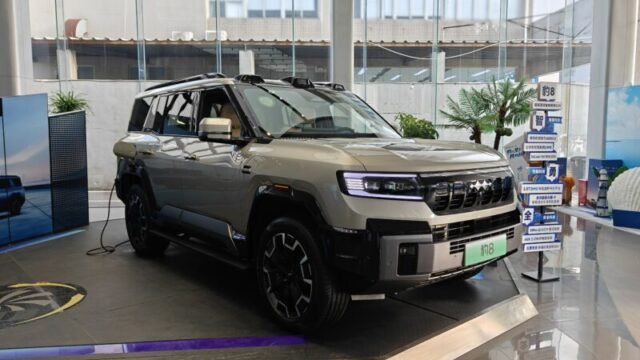
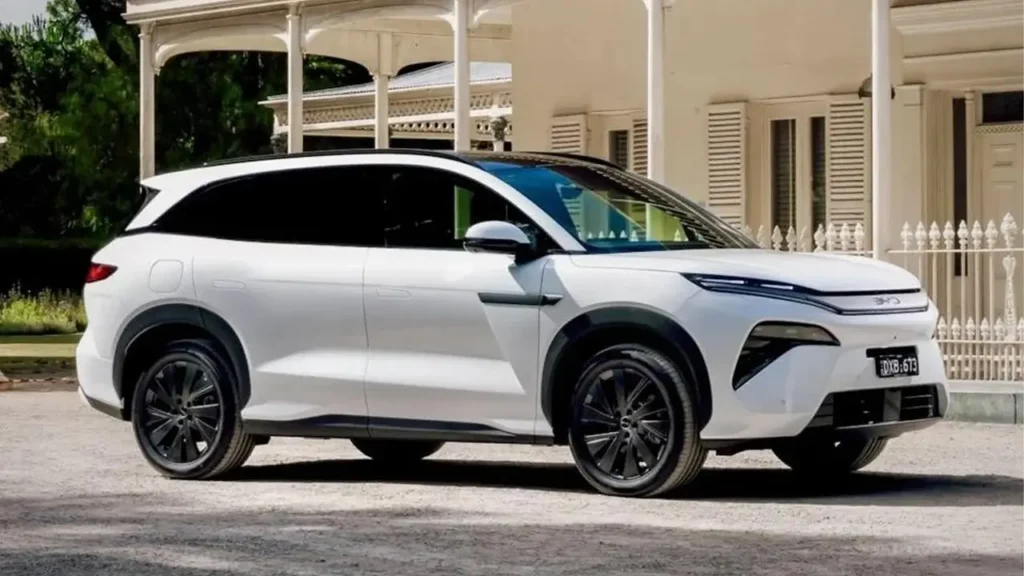
As of August 17, 2026, the BYD Sealion 08 has been revealed and filed with Chinese regulators, but it has not been officially launched or priced. Regulatory records identify three battery-electric configurations with 710-900 km CLTC range and two plug-in hybrid configurations with 275-300 km of catalog electric range. Final trim names, prices and equipment remain pending.
Last verified: August 17, 2026. Values below come from BYD’s reveal material and China’s vehicle or purchase-tax filings. A regulatory filing is not a final retail specification sheet.
Has the BYD Sealion 08 launched?
No. BYD publicly revealed the Sealion 08 with the Seal 08 on April 24, 2026, but BYDToday found no official Sealion 08 launch event, preorder price, retail price table or order page as of August 17. Reports predicting an August launch are schedules reported by media, not confirmation that the model is already on sale.
BYD Sealion 08 battery, range and motor filings
| Filed configuration | Battery | Catalog electric range | Power | Status |
|---|---|---|---|---|
| EV rear-wheel drive | 92.093 kWh; about 633 kg | 710 km CLTC | 320 kW rear motor | Regulatory filing |
| EV long-range rear-wheel drive | 115.072 kWh; 810.5 kg | 900 km CLTC | 370 kW rear motor | Regulatory filing |
| EV all-wheel drive | 115.072 kWh; 810.5 kg | 800 km CLTC | 215 kW front + 370 kW rear | Regulatory filing |
| DM-i plug-in hybrid | 55.843 kWh; about 410 kg | 300 km catalog value | 115 kW 1.5T engine + 200 kW motor | Regulatory filing |
| DM-p plug-in hybrid AWD | 55.843 kWh; 410.5 kg | 275 km catalog value | 115 kW 1.5T engine + 200 kW front and 200 kW rear motors | Regulatory filing |
The all-wheel-drive EV uses the same 115.072 kWh, 810.5 kg battery listed for the 900 km rear-wheel-drive configuration. The earlier version of this article incorrectly paired the AWD model with an approximately 92 kWh battery. That error has been corrected.
Why does the 900 km battery weigh 810.5 kg?
The 115.072 kWh pack’s listed mass implies about 142 Wh/kg at pack level. This is a simple calculation using the catalog capacity and pack mass. It should not be compared directly with a cell-level energy-density number because the complete pack includes structure, cooling, protection and electronics.
The battery represents about 31% of the cited 2,595 kg curb weight for the long-range rear-wheel-drive filing. That ratio illustrates the mass required to combine LFP chemistry with a 900 km CLTC target in a large SUV. It does not by itself prove poor efficiency, unusual tire wear or higher insurance costs; those outcomes require road-test or ownership data that is not yet available.
What do the plug-in hybrid filings confirm?
The purchase-tax material provides two verifiable catalog electric-range values: 300 km for a two-wheel-drive plug-in hybrid and 275 km for an all-wheel-drive plug-in hybrid. Some reports have cited 400 km, but that figure should not be presented as the confirmed value in the referenced tax catalog.
These catalog values also should not be treated as WLTP or EPA range. Test procedures differ, and BYD has not announced export-market Sealion 08 specifications.
How large is the BYD Sealion 08?
The regulatory filing lists a length of 5,115 mm, width of 1,999 mm, height of 1,800 mm and wheelbase of 3,030 mm. Both five-seat and six-seat configurations appear in the filings. The final retail lineup may use only some of the submitted combinations.
Which technologies has BYD shown?
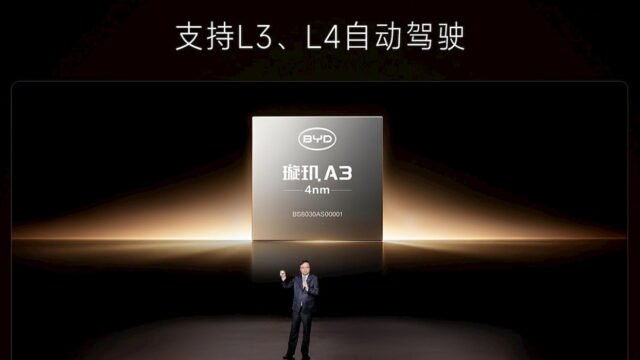
BYD’s reveal material associates the Sealion 08 with the second-generation Blade Battery, Flash Charging, cell-to-body integration, rear-wheel steering, DiSus-A dual-chamber air suspension and road preview. The exact trim availability and whether any feature is standard across the range remain unconfirmed until the final retail specification table is published.
Charging-speed claims also need a compatible vehicle configuration and charger. LFP chemistry alone does not prove a particular charging time, so the previous article’s unsupported causal claim about a nine-minute charge has been removed. See the separate BYD Flash Charging explainer for the confirmed system claims and availability limits.
What remains unknown before launch?
- Official retail prices and launch date
- Final trim names and which submitted configurations will be sold
- Standard versus optional equipment
- Real-world range, efficiency, charging curve and road-test results
- Export markets, export specifications and overseas pricing
FAQ
Is the BYD Sealion 08 on sale?
No. As of August 17, 2026, BYD has revealed the Sealion 08 and filed configurations with Chinese regulators, but it has not announced official retail prices or confirmed a completed launch.
What is the BYD Sealion 08 EV range?
Regulatory records list 710 km and 900 km CLTC for rear-wheel-drive EV configurations and 800 km CLTC for an all-wheel-drive EV configuration.
How large is the Sealion 08 battery?
The EV filings include 92.093 kWh and 115.072 kWh packs. The two plug-in hybrid filings use a 55.843 kWh pack.
Does the Sealion 08 have a 400 km plug-in hybrid range?
The referenced purchase-tax catalog lists 300 km and 275 km for two plug-in hybrid configurations. A 400 km figure reported elsewhere is not the confirmed value in that catalog.
How much will the BYD Sealion 08 cost?
BYD had not published an official price as of August 17, 2026. Reported estimates should not be presented as a preorder or retail price.
Primary sources
- BYD – Seal 08 and Sealion 08 reveal event, April 24, 2026
- China MIIT – vehicle announcement and purchase-tax catalog notice
Updated August 17, 2026: corrected the AWD battery to 115.072 kWh and 810.5 kg; added the 300 km and 275 km plug-in hybrid catalog values; clarified that the Sealion 08 has not launched; added primary sources; removed unsupported CLTC conversions, buyer-cost claims, sales claims and charging-causation language.