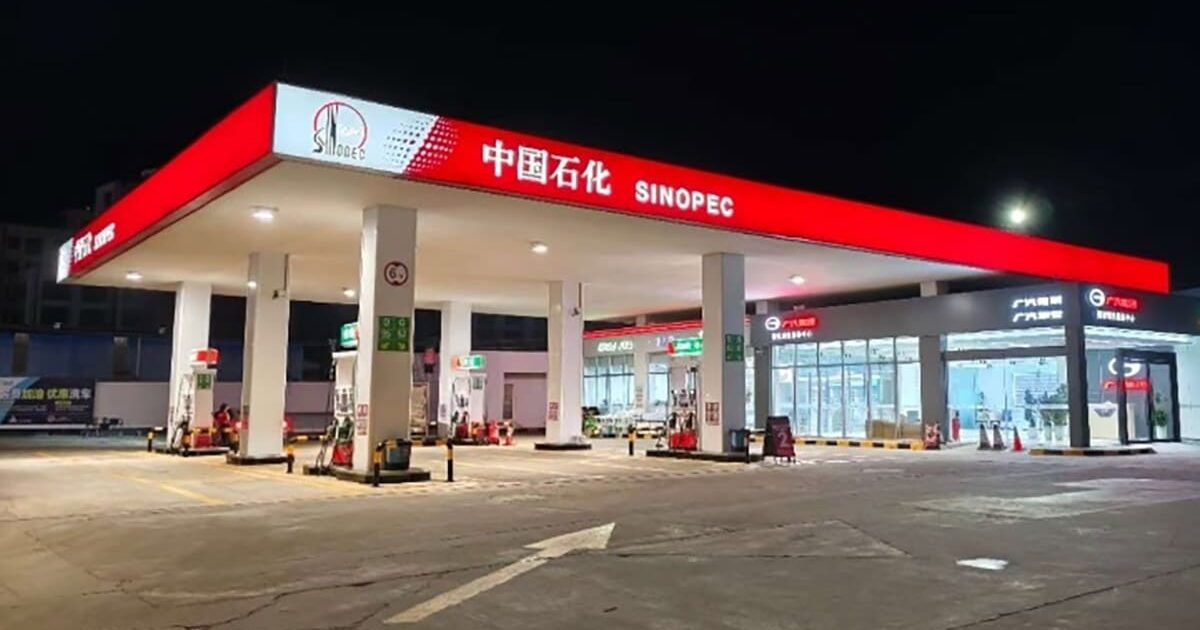
GAC Group and China Petroleum & Chemical Corporation (Sinopec) have launched an unprecedented partnership to sell electric vehicles at gas stations across China, turning the world’s largest fuel retail network into a new sales channel for new energy vehicles. The move challenges the traditional dealership model and could reshape how Chinese consumers discover and purchase EVs.
Sinopec operates over 30,000 gas stations across China, many of them located on high-traffic urban and suburban sites. Under the partnership, select stations will feature GAC vehicle displays, test drive arrangements, and ordering facilities — giving consumers the ability to explore and purchase an EV during a routine fuel stop.
How It Works
The partnership leverages Sinopec’s existing footprint and foot traffic to solve a distribution challenge that has plagued EV adoption in lower-tier Chinese cities: the lack of brand-awareness touchpoints outside major urban centers. While Tesla, NIO, and XPeng have focused on high-profile urban showrooms, millions of potential EV buyers in smaller cities rarely encounter these brands in their daily routines.
Per CnEVPost’s reporting, the initial rollout will focus on Guangdong province — GAC’s home market and one of China’s largest automotive markets — before expanding nationally. Selected Sinopec stations will be retrofitted with EV display areas, charging infrastructure, and dedicated sales staff.
GAC’s total vehicle sales rose 8.18% year-on-year in May, driven primarily by a surge in NEV deliveries. The Sinopec partnership gives GAC a distribution advantage that is difficult for competitors to replicate quickly, given Sinopec’s massive real estate footprint and existing customer base.
Strategic Implications
The partnership also signals a strategic evolution for Sinopec itself. As China’s NEV penetration exceeds 60%, the long-term decline in gasoline demand threatens the economic model of traditional fuel retail. By converting stations into multi-energy hubs that sell both fuel and vehicles, Sinopec is hedging against the structural decline of its core business while creating a new revenue stream.
For GAC, the arrangement is more than a sales channel — it is a brand-building exercise. Gas station visibility creates repeated impressions for consumers who may not yet be in the market for an EV but will remember the brand when they are. The model also reduces GAC’s dependence on traditional dealership networks, which have been under financial pressure as the price war compresses margins.
Industry observers note that the partnership could face operational challenges: gas station forecourts are optimized for quick fuel transactions, not the extended engagement that vehicle purchasing requires. Training Sinopec staff to handle EV inquiries and managing inventory logistics across 30,000 sites will require significant investment and coordination.
Related: China NEV penetration record | GAC Sinopec partnership
Sources
- CnEVPost, GAC partners with Sinopec to sell cars at gas stations
- GAC Group, GAC Official Site
- BYDToday, China NEV penetration hits record 62.5%


