Tesla Shanghai May Deliveries Hit 85K, +39% YoY Record
Tesla’s Shanghai Gigafactory delivered over 85,000 vehicles in May 2026, a 39.4% year-over-year increase and a 2026 monthly record, as the plant reinforced its role as the company’s largest global export hub supplying Asia-Pacific and European markets.
Background: Shanghai as Tesla’s Global Hub
Since opening in 2019, Tesla’s Shanghai Gigafactory has grown into the company’s single largest production facility by volume, delivering more than half of Tesla’s global output. The plant produces the Model 3, Model Y, and the new Model Y L — a six-seat luxury variant designed for Asian families — and exports to over 20 markets across Asia-Pacific and Europe.
The May 2026 result marks the factory’s strongest month of the year and continues a pattern of year-over-year growth despite a broader slowdown in China’s domestic auto market. The 8% month-over-month increase from April signals sustained demand as Tesla pushes its refreshed Model Y lineup and expands Supercharger access to non-Tesla EVs.
Key Numbers and Regional Performance
Per the China Passenger Car Association (CPCA), the Shanghai factory’s May deliveries exceeded 85,000 units, up 39.4% from May 2025 and 8% from April 2026. The factory’s annualized run rate now approaches 1.02 million units. In export markets, Tesla ranked first in Thailand’s Q1 2026 premium EV registrations, captured the top spot in South Korea’s April import-brand sales, and welcomed its 10,000th owner in Singapore.
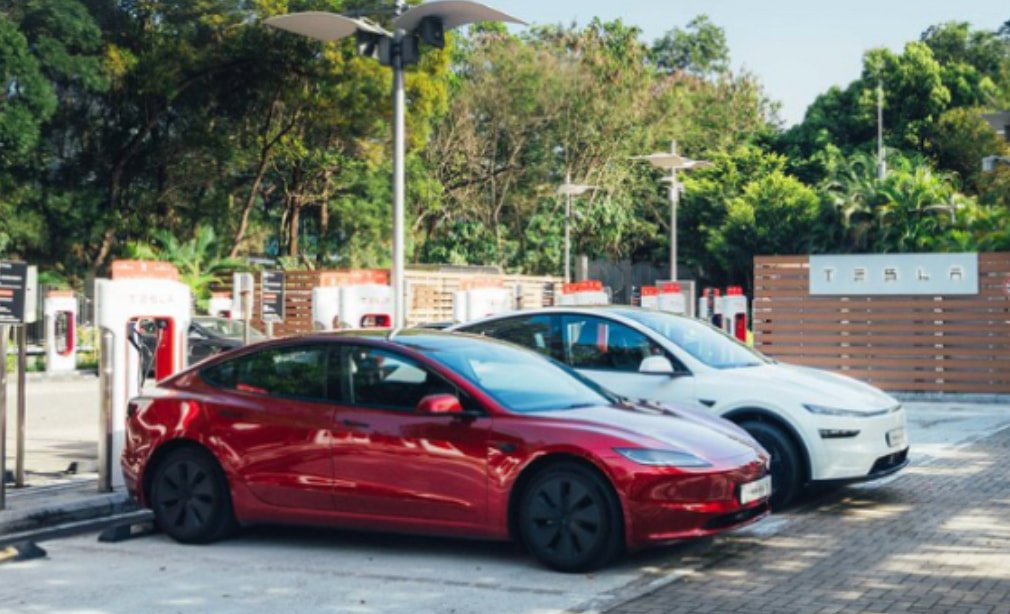
The Model Y L, a six-seat variant produced exclusively in Shanghai, is accelerating deliveries to Singapore, Australia, South Korea, Thailand, and the Philippines. Tesla China has also opened its Supercharger network to non-Tesla vehicles — over 1,000 Supercharger stations and 400 destination chargers across all Chinese provinces, with peak power at 250 kW and a 99.95% availability rate. Pricing starts at 1.5 yuan per kWh.
Strategic Shift: From Cars to Robots
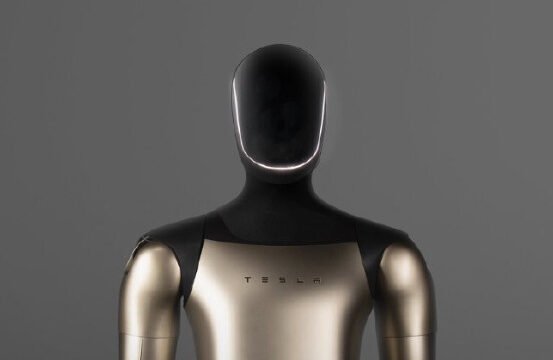
The Shanghai delivery record comes as Tesla undergoes a historic pivot. On May 21, 2026, the last Model S and Model X rolled off the line at Tesla’s Fremont, California factory. That production line will be dismantled and rebuilt over four months into a dedicated humanoid-robot assembly line with a planned annual capacity of 1 million units. A second robot-production line at the Texas Gigafactory targets 10 million units annually.
Tesla Vice President Tao Lin framed the transition as a natural evolution: the cars that defined the EV era are making way for the machines that could define the AI era. The underlying technology — batteries, motors, neural-network processing — is shared between vehicles and humanoid robots, giving Tesla a vertically integrated advantage no pure-play robotics company can match. Shanghai, however, remains focused on vehicle production for the foreseeable future.