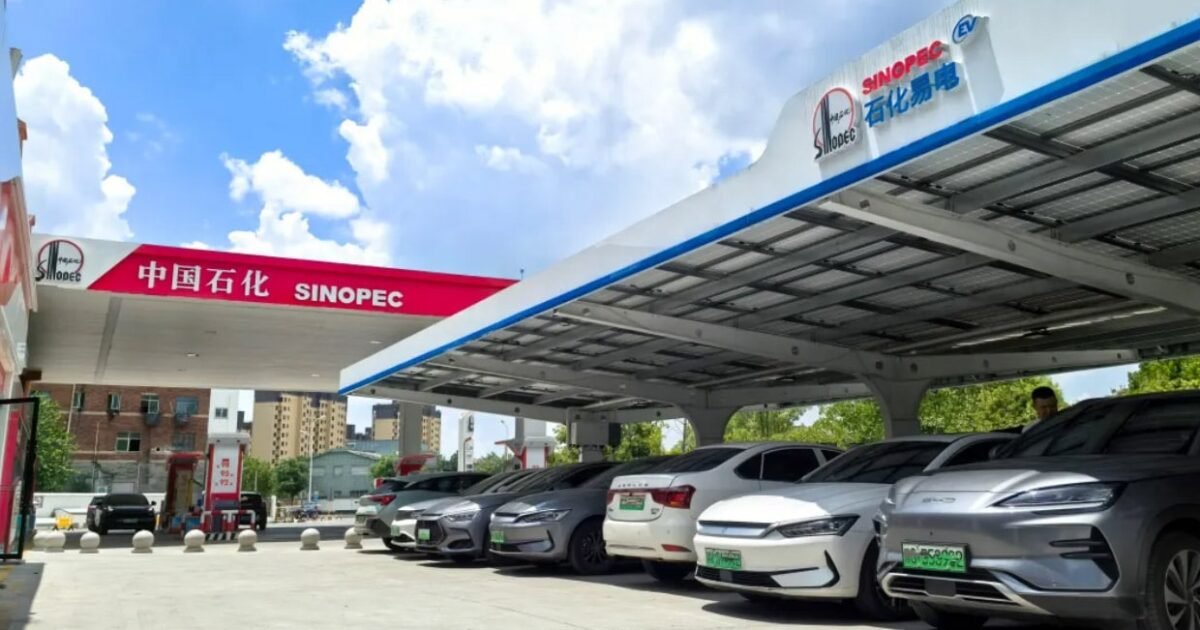
BYD and China Petroleum & Chemical Corporation (Sinopec) signed an industrial and capital cooperation framework agreement in Beijing on June 3, 2026, launching one of the most ambitious EV charging infrastructure partnerships in history. The deal will leverage Sinopec’s nationwide network of over 30,000 fuel stations to accelerate BYD’s Flash Charging rollout, while building an integrated “energy + mobility” ecosystem.
The partnership is structured around three pillars: flash charging network construction, ecosystem integration, and supply chain synergy — a comprehensive approach that goes far beyond simply installing chargers at gas stations.
Flash Charging at Scale
The centerpiece is a plan to build a “10,000 Station Flash Charging” intelligent energy network. BYD’s Flash Charging technology, which enables ultra-fast DC charging, will be deployed at Sinopec locations across China, transforming traditional fuel stations into multi-purpose energy hubs. The scale is unprecedented: Sinopec’s 30,000-plus locations give BYD instant access to prime high-traffic urban and highway sites that would take years to acquire individually.
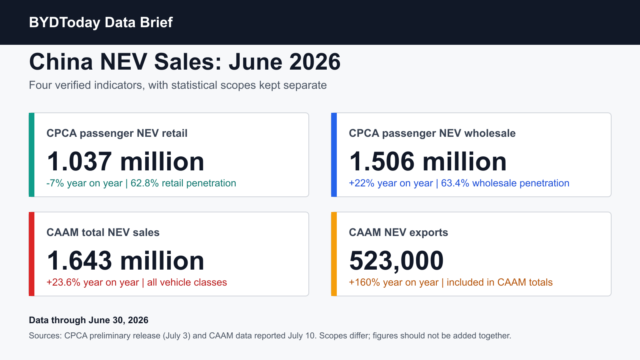
The timing is strategic. China’s NEV penetration exceeded 62% in May 2026, and the structural decline in gasoline demand threatens the economic model of traditional fuel retail. For Sinopec, adding EV charging creates a new revenue stream that hedges against its declining core business. For BYD, the partnership solves the single biggest barrier to Flash Charging adoption: real estate.
Beyond Charging: The Ecosystem Play
Beyond charging infrastructure, the partnership encompasses a broad ecosystem integration plan. The two companies will collaborate on photovoltaic-storage-charging-inspection stations, membership systems, data intelligence, and aftermarket services. The vision is a “human-vehicle-life” ecosystem where a Sinopec station becomes a one-stop mobility service hub rather than just a refueling point.
Supply chain cooperation covers battery materials, vehicle lubricants, marine fuel, energy storage, automotive supplies, and centralized procurement. This breadth of collaboration suggests the partnership is intended as a long-term strategic alignment rather than a tactical charging deployment.
The agreement follows a similar deal between GAC and Sinopec, which opened China’s first “energy + automotive” integrated service station in Zhanjiang, Guangdong. Together, these partnerships signal that Sinopec is actively repositioning its massive retail network for the electric era — a strategic pivot with major implications for how Chinese consumers discover, purchase, and power their vehicles.
Sources
- CnEVPost, BYD leverages Sinopec network to advance flash charging
- Electrive, BYD plans Flash Chargers at Sinopec stations
- Sina Finance, China auto industry weekly roundup