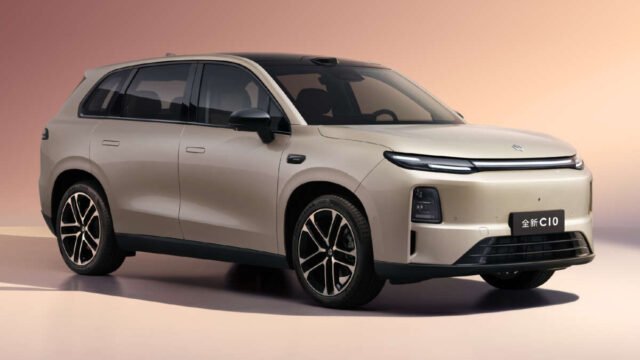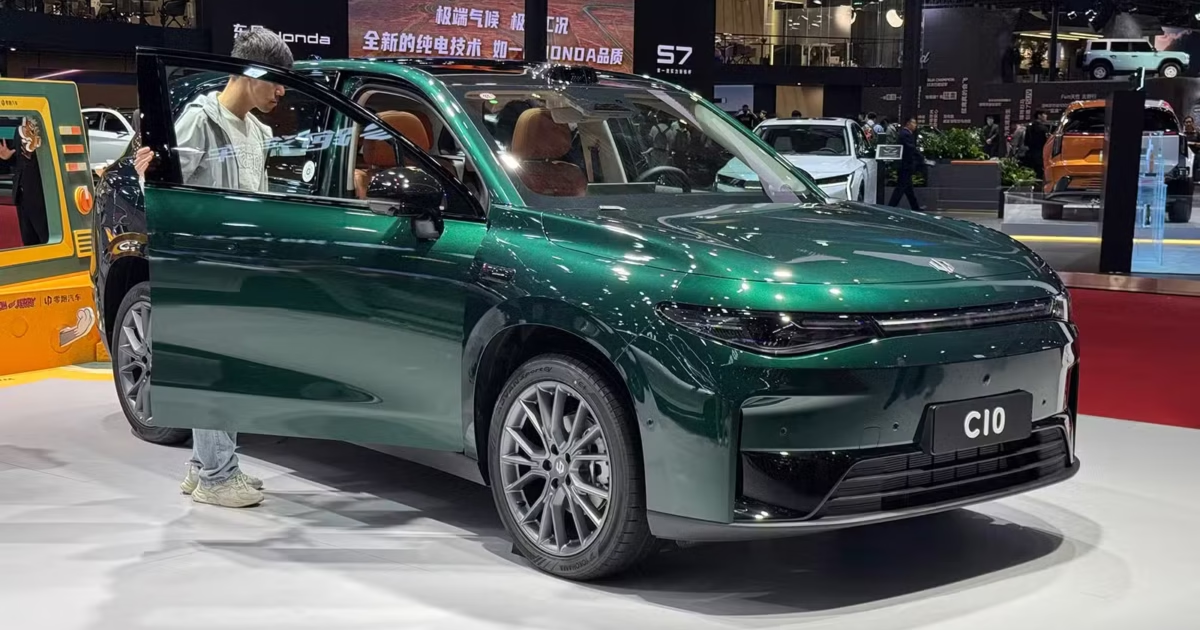
Stellantis has officially commenced local assembly of Leapmotor vehicles at its manufacturing hub in Gurun, Kedah, Malaysia, starting with the C10 flagship SUV. The launch comes after a five-month delay from the originally planned January 2026 start date, attributed to production line reconfiguration and supply chain coordination.
The C10 is the first Leapmotor model to roll off the Gurun line, with the B10 compact SUV scheduled to follow by the end of 2026. The assembly operation represents a key milestone for the Stellantis-Leapmotor joint venture, which was formed to expand the Chinese brand’s reach into right-hand-drive markets across Southeast Asia and beyond.
Joint Venture Strategy
Under the partnership structure, Stellantis holds a controlling stake in Leapmotor International — the entity responsible for all markets outside China. The Gurun plant, which has produced Peugeot and other Stellantis brands for the regional market, is being repurposed to accommodate Leapmotor’s EV platform and high-voltage battery assembly requirements.
Per Stellantis’s official announcement, the C10 produced at Gurun will serve the Malaysian market initially, with exports to other ASEAN countries planned as production scales. The plant’s existing supplier network and Stellantis’s dealer infrastructure across the region give Leapmotor a distribution advantage that would take years to build independently.
CnEVPost reported that Leapmotor management has increased its stake in the company for the sixth time in two years, a signal of internal confidence even as the broader Chinese EV market faces intensifying price competition.
Market Position and Competition
The Leapmotor C10 competes in the growing affordable EV SUV segment in Southeast Asia. In China, the C10 starts at approximately 128,000 yuan (about $17,800), making it one of the most competitively priced EVs in its class. Malaysian pricing for the locally assembled version has not been confirmed, but it is expected to benefit from the country’s EV incentive package, which includes import duty and excise tax exemptions for locally assembled electric vehicles through 2027.
Leapmotor’s Malaysian assembly launch comes just days before XPeng’s own local production milestone at EPMB’s Melaka plant, underscoring the intensifying competition among Chinese EV brands for Southeast Asian market share. Both companies are betting that local assembly will make their vehicles price-competitive against legacy Japanese and Korean brands that have long dominated the region.
The B10, which will follow the C10 at Gurun, is a smaller SUV targeting the volume segment below the C10. Its late 2026 launch positions it to capture demand from Malaysia’s growing middle-class EV buyers.
Related: XPeng G6 Malaysia assembly | Leapmotor May deliveries